
Temperament: Why is the French Bulldog considered a companion dog?
You might ask, “Why is the French Bulldog considered a companion dog?” The short answer: they pick you. Frenchies are built to be with people. They love close contact, quiet company, and simple routines. If you want a dog that wants to be part of daily life, a Frenchie will sign up for the job.
French Bulldogs are calm but playful — silly one minute and a couch buddy the next. They read your mood fast: when you’re tired they’ll settle in; when you’re lively they’ll bounce along. That mix of liveliness and laid-back charm makes them great pals for many kinds of owners.
These dogs bond hard and fast. They aren’t big on long solo adventures; instead they stay by your side, watch TV with you, and climb into bed when you nap. Think of them as small, snorty companions who prefer the comforts of home and the company of their person.
French Bulldog temperament companion qualities
Frenchies are low-key in many ways. Their exercise needs are small compared with larger breeds, which makes them perfect for city life or apartments. You can still play and walk, but you won’t need hours of running. They adapt to your schedule and like routines that include you.
They’re also social and patient. Many French Bulldogs are good with kids, guests, and other pets when raised right. Their funny, friendly personality melts tension — they make new people smile, then scoot back to your lap like a good friend.
How your Frenchie shows affection
Frenchies kiss with sloppy enthusiasm. They nudge your hand, rest their head on your knee, or use a paw tap to get attention. You’ll learn the small signals fast—tilted head, soft eyes, and that eager wiggle. Those little moves mean, I’m here. I like you.
They show deeper affection by staying close: following you room to room, sleeping on your feet, or curling in the crook of your arm. If you ever felt alone, a Frenchie will be the warm presence that quiets the moment.
French Bulldog lap dog and cuddler
Your Frenchie will become a certified lap hog. They love warmth and closeness and will plant themselves in your lap even if you’re trying to read or work. Compact and heavy in a comforting way, they’ll sigh and settle like a tiny, living blanket. You’ll learn to share space—and enjoy it.
Size and space: apartment-friendly companion
French Bulldogs are made for close quarters. They take up little floor space and move in short bursts, which fits apartment life. Their compact bodies and calm energy mean they won’t pace the hallways all day. That said, their short noses can make heavy play and hot weather risky, so keep activity short and cool.
Living with a Frenchie is like having a little roommate who wants to hang out on the couch. They nap a lot and wake for play, attention, or treats. Neighbors usually appreciate the low noise — many Frenchies are quieter than more vocal breeds. You’ll get plenty of affection without needing a backyard.
You might ask, “Why is the French Bulldog considered a companion dog?” It’s simple: they crave company and stick close to you. They’re happiest by your side, whether you’re working, reading, or watching TV. If you want a small dog that loves home life and gives big personality, a Frenchie fits the bill.
Why Frenchies suit small homes
A big reason Frenchies work in small spaces is their low exercise need. You don’t need long runs or a huge yard. Short walks and indoor play break up their day and keep them happy. Grooming is light, too, so you won’t be buried in fur or complicated care routines.
Their size hides another benefit: they adapt to your schedule. If you work from home, they’ll nap beside your desk. If you’re out for a few hours, leave safe toys and a comfy bed and they’ll rest until you return. Still, plan for social time so they don’t get lonely or bored.
Managing your space with a Frenchie
Think of your apartment as a small kingdom where the Frenchie has a favorite throne. Give them a dedicated spot with a bed, a few toys, and a blanket that smells like you. That creates calm and helps them settle instead of wandering into rooms where they might cause trouble or get underfoot.
Keep essentials handy but out of reach: leash, treats, and a chew toy. Rotate toys to keep interest high. Short, regular walks and a quick training session each day go a long way. With a little planning, you’ll avoid clutter and make your home a comfy palace for both of you.
Apartment-friendly companion traits
Frenchies pack big charm into a small frame: low to moderate energy, short bursts of play, minimal barking, and huge affection. They’re easy to carry up stairs, fit under a café table, and settle beside you without hogging the room. If you like a dog that’s social, calm, and happily lives inside your life, these traits tick all the boxes.
Exercise needs: low activity, big bond
French Bulldogs need less running than many breeds, but they still crave time with you. Short walks, gentle play sessions, and lots of lap time fit their style. Think of them as a couch potato with a spark: they love lounging, but they light up when you give them attention and a few minutes of fun.
You might ask, “Why is the French Bulldog considered a companion dog?” It’s simple: Frenchies are wired to be near you. They seek your company, watch your every move, and respond to your mood. That makes exercise feel secondary to being by your side — a quick walk often turns into quality bonding time.
Keep activity sessions brief and regular. Split exercise into two or three short bursts across the day. Use indoor games, sniff work, and light training to keep their minds busy. Watch for heavy breathing and slow the pace when it’s hot or humid.
How much activity your Frenchie needs
Most adult French Bulldogs do well with about 20–30 minutes of moderate activity a day. Break that into two 10–15 minute walks or short play sessions. If you have a puppy, expect more short bursts of energy that will calm as they grow.
Pay attention to signals. If your dog is wheezing, collapsing to rest, or looks exhausted, stop and cool them down. Training sessions, puzzle toys, or a gentle indoor game count as exercise too. You don’t need long runs to keep them happy.
Low exercise needs — French Bulldog companion
Low exercise needs don’t mean your Frenchie is lazy; they are companion-focused. They’d rather sit with you while you read or binge a show than trot around a park alone. This breed thrives on closeness and short shared activities that build your bond.
Balance comfort with health. Keep portion sizes sensible and add short activity each day to avoid weight gain. Use playtime as a chance to connect — a short tug, a few training treats, or a hallway game will keep them fit and happy.
Brachycephalic limits and safe play
Because French Bulldogs are brachycephalic, their short noses make hard breathing and overheating real risks. Avoid long runs, high-intensity games, and hot-weather walks. Choose cool times of day, offer water breaks, and stop play at the first sign of heavy panting or blue gums. Gentle, steady activity and careful monitoring keep play safe.
Family fit: good with children and families
French Bulldogs love being in the middle of family life. They are small, sturdy, and have a calm energy that fits well with kids. You’ll find them following children around the house, napping during quiet time, and joining play sessions that aren’t too rough.
Their size and slow-burst play style make them less likely to knock over toddlers. Frenchies are alert and will let you know if something feels off. They adapt to your daily rhythm — whether your family is up early or likes lazy weekend mornings — and they thrive on the attention you give them.
Why is the French Bulldog considered a companion dog? Because they crave closeness. They want to sit with you, listen to your stories, and be part of the family picture. If you want a pet that acts like a little shadow and a soft-hearted friend, a Frenchie can fit that role beautifully.
Why Frenchies bond with kids
Frenchies read faces well. They respond to excited voices and gentle touch, so kids who speak softly and move slowly get fast trust. Their big eyes and expressive face often bring out nurturing behavior in children and adults alike.
Early social time helps this bond grow. Teach children to pet gently and reward the dog for calm reactions; you build a loop of positive moments. Over time, the dog learns that kids are playmates and comfort sources, and the child learns how to be a kind and confident caregiver.
Tips to keep your child and dog safe
Always watch interactions, especially with very young children. Teach your child to approach calmly, to pet under the chin or on the side, and to avoid grabbing ears or tails. Make rules simple and repeat them: no hugging too tight, no chasing, and give the dog space during meals or sleep.
Give the dog a safe spot to retreat to, like a crate or a bed in a quiet room. Train basic commands — sit, stay, leave it — so you can manage play. Watch for stress signals (licking lips, turning away, stiff body), and act quickly if the dog needs time out. Regular vet checks, good rest, and controlled exercise keep everyone calmer and safer.
French Bulldog good with children and families
Overall, the French Bulldog is a family-friendly breed that blends friendliness with a low-key nature. With clear rules, supervision, and basic training, your Frenchie can be a patient playmate and a loyal companion for your kids.
Social nature: friendly and emotionally tuned
Why is the French Bulldog considered a companion dog? You can see it in every wiggle and sigh. Frenchies love to be where you are. They follow you from couch to kitchen like a shadow with ears. Their small size and steady calm make them perfect for lap time and quiet nights in.
These dogs are finely tuned to human moods. If you slump on the sofa after a long day, your Frenchie might hop up, rest a head on your knee, and stare like they’re reading your thoughts. That gentle insistence — a nudge, a warm body, a soft snore — can turn a bad moment into a softer one.
But they do need company. Leave them alone for long stretches and you’ll see the signs: restlessness, loud barking, or digging at the door. Train them with short sessions and give them steady social contact so their friendly side stays bright.
Social, friendly nature of French Bulldogs
Frenchies are social butterflies in a compact package. They usually greet new people with curiosity and a wag. Kids find them easygoing because they move at a human pace and like to play gently. In parks or cafés, a Frenchie can be the icebreaker you didn’t know you needed.
You can help that friendly nature grow. Take your dog to meet other dogs and people early and often. Keep interactions calm and positive. Short walks, neighborhood meetups, and playdates teach good manners and boost confidence. A well-socialized Frenchie becomes a bold, happy companion.
Signs your Frenchie offers emotional support
Your Frenchie shows support in small, clear ways: leaning into you, resting their chin on your hand, matching your rhythm — slow and steady when you’re sad, playful when you smile. They know your schedule and show up when you need them. If your dog picks one person to shadow, that bond often becomes a quiet source of comfort.
Emotional support potential of French Bulldogs
French Bulldogs have a strong knack for companionship: calm energy, a loving nature, and a size that fits close contact. They can be great companions for emotional support, but they aren’t a medical fix. If you need an official support animal or therapy services, check local rules and talk with a professional. Also keep their health in mind — breathing and heat sensitivity matter when you plan long outings.
Care and health: caring for a French Bulldog companion
Why is the French Bulldog considered a companion dog? Because they live for close contact and simple pleasures: your lap, your couch, your calm voice. That closeness shapes how you care for them — daily attention matters more than marathon walks.
Health-wise, Frenchies are a bundle of personality with some special needs. Their short faces make breathing sensitive, and they handle heat poorly. Watch activity levels, keep weight steady, and plan vet visits more often than for many other breeds.
Care covers more than checkups: grooming, diet, safe exercise, and temperature control. Small changes make a big difference: fresh water always, shade on hot days, soft bedding for joints, and a predictable routine so your Frenchie feels secure.
Grooming and routine care for your Frenchie
Brushing once a week removes loose hair and spreads skin oils, keeping the coat healthy. Bathe only when needed — monthly or less — to avoid drying the skin. Use a gentle, dog‑formulated shampoo and rinse thoroughly.
Face folds need daily attention. Wipe the wrinkles with a damp cloth and dry them well to prevent yeast and bacterial issues. Trim nails every few weeks, clean ears if you see wax buildup, and brush teeth several times a week to avoid dental disease.
Common health issues to watch for
Brachycephalic airway syndrome is common; noisy breathing, snoring, or fainting during play are red flags. Keep exercise short in warm weather, use a harness instead of a collar, and call your vet if breathing sounds labored or gums appear blue.
Skin allergies, ear infections, and spinal issues like IVDD also show up fairly often. Look for scratching, red or smelly ears, stiffness, or reluctance to jump. Early treatment keeps problems small and your dog comfortable.
Caring for a French Bulldog companion
Keep things simple and consistent: balanced diet to maintain ideal weight, regular vet checks, gentle daily cleanings of face folds, short play sessions with rest, and careful temperature control — cool in summer, warm in winter — and your Frenchie will thrive as your loyal, snoring shadow.
Conclusion
If you’ve wondered, “Why is the French Bulldog considered a companion dog?” the answer is clear: Frenchies are built for closeness. Their temperament, size, social nature, and low exercise needs combine to make them exceptional household companions. With sensible care and attention to their health limits, a French Bulldog becomes a devoted friend who wants to be part of your life day by day.
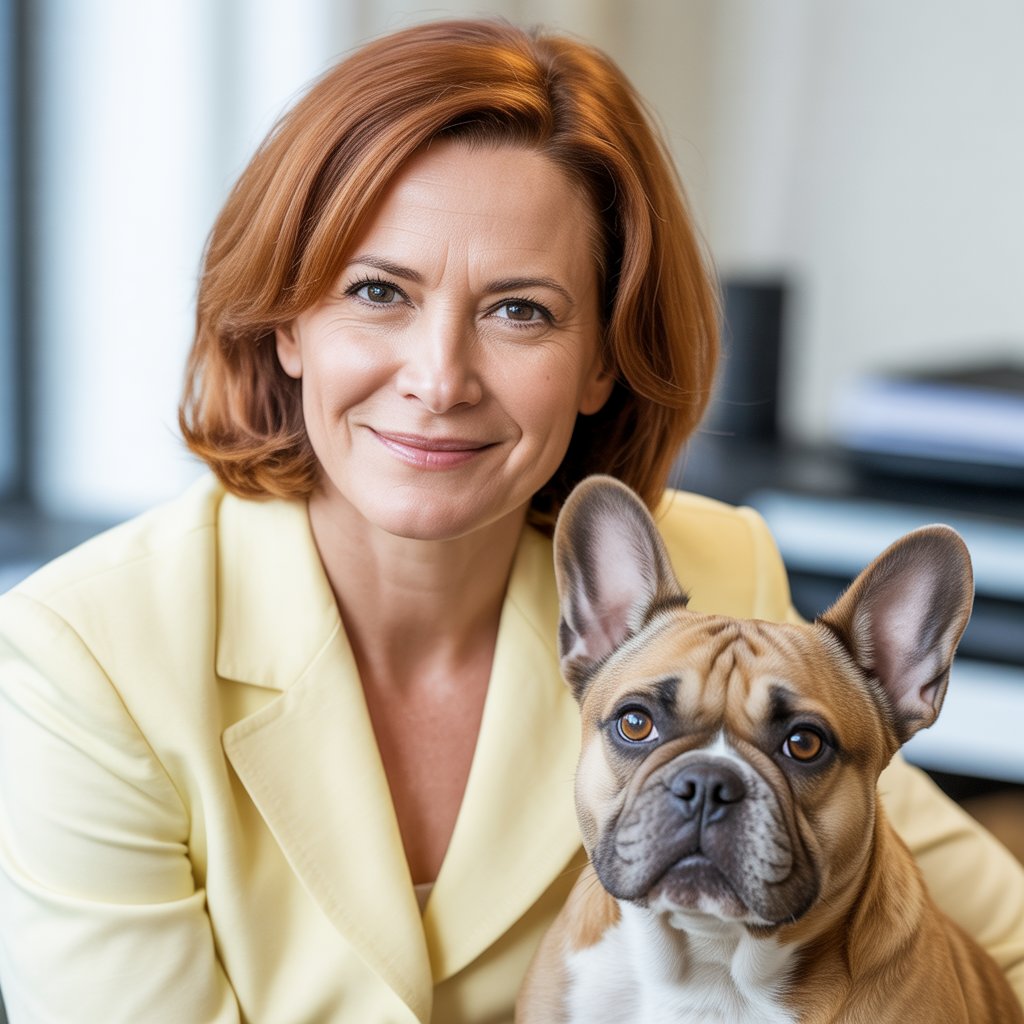
Dr. Isabella Laurent is a French Bulldog specialist with more than 17 years of dedicated experience working exclusively with the breed. Her career has been built on traditional canine knowledge, practical observation, and a deep respect for the historical standards that define the true French Bulldog.
She holds a degree in Veterinary Medicine and advanced training in Canine Reproduction and Breed Health Management. Over the years, Dr. Laurent has focused her work on responsible breeding, genetic balance, and long-term well-being, prioritizing structure, temperament, and overall vitality as they were valued by classic breeders.
As an author and consultant, she shares her expertise through educational content, breeding guidance, and professional collaborations with kennels and veterinarians. Her work is widely respected for combining scientific knowledge with time-tested breeding principles, helping preserve the integrity of the French Bulldog for future generations.