
Is the French Bulldog calm or energetic?
You probably want a dog that fits your life. Is the French Bulldog calm or energetic? Short answer: mostly calm with lively, short bursts. French Bulldogs prefer short play sessions followed by long naps. Their brachycephalic (short-nosed) faces make heavy exercise risky, so they pace themselves and favor gentle walks and cozy spots.
That doesn’t mean they’re boring. They often have sudden bursts of energy — zooming around the living room or chasing a toy — then settle like they never moved. A few 15–20 minute walks a day plus playtime usually keeps them content. Loud, long runs and hot-weather exertion are not their thing. Age, health, breeding, and upbringing all shape their tempo, so pick one that matches your daily rhythm.
Generally low to moderate energy
Most Frenchies are built for short, fun bursts: a quick game of tug, a short walk, then a long snooze. That pattern fits apartment living and people who like a relaxed pace.
You still need to provide daily mental and physical outlets — puzzle toys, short walks, and safe yard play. Without stimulation they can get bored and chew, bark, or pace.
Individual dogs can vary
Not every Frenchie follows the same script. Breeding lines, early training, and routine shape behavior. Some come from more active lines and are spunkier; others are bred for calm and couch life.
Your choices matter: regular short adventures and games bring out more pep; all-day lounging encourages a laid-back companion.
Quick answer to help your choice
If you want a mostly calm companion who enjoys short play and easy walks, a French Bulldog is a great match. If you need a running buddy for miles each day, look elsewhere.
Are French Bulldogs calm by nature?
Is the French Bulldog calm or energetic? Mostly calm with bursts of goofiness. They love naps and close company but can suddenly zoom after a toy or behave wildly at feeding time. Compared with high-drive breeds like border collies, Frenchies tire more easily and are easier to satisfy with short sessions of activity and mental work.
Genes and upbringing both shape temperament. Think of a Frenchie like a small engine that idles quietly but revs quickly: routines, play, and protection from overheating help keep surprises to a minimum. Pay attention to puppy socialization and health issues to steer behavior toward calm.
French bulldog temperament traits
Frenchies are friendly and people-focused. They form tight bonds, follow you room to room, and enjoy lap time. They can be stubborn and may test rules if training isn’t clear — short, fun training sessions with tasty rewards work best. Many are good with kids and adapt well to apartments, though bossy pups need firm, gentle boundaries.
How early socialization helps calmness
Expose puppies to people, sounds, and other dogs early and often (the critical window is roughly 3–14 weeks, though later socializing still helps). Positive, low-pressure encounters reduce fear-driven behaviors like barking or lunging. Puppy classes teach manners and give supervised dog interaction.
Simple steps to encourage calm behavior
- Set a steady routine.
- Provide short play sessions and gentle walks.
- Add puzzle toys and short training drills.
- Reward calm moments; ignore attention-seeking noise.
- Create a quiet safe spot (crate or mat).
- Avoid overstimulating games before visitors or bedtime.
French Bulldog energy level at a glance
Frenchies kick on for short bursts and then chill. Expect quick play spurts and lots of naps — ideal for busy lives and apartments. Age and health shape their pep: puppies are bouncy, adults are steady, and seniors nap more. Watch breathing and spine issues that can limit wild play.
Short play bursts, lots of rest
Expect 10–20 minute high-energy sessions. After a burst they need long rest. Let them nap freely and watch for breathing or heat stress. Keep water and cool breaks handy.
Indoor energy is usually mild
Inside, Frenchies are mostly mellow. They enjoy lounging, watching TV, or snoozing in sun patches. They still benefit from rotating toys and short training games to prevent boredom.
Fast energy snapshot for your schedule
Plan for two short play sessions (10–20 minutes) plus one 20–30 minute walk or sniffing stroll per day, with lots of nap time in between.
How energetic are French Bulldogs by age
Is the French Bulldog calm or energetic? Both — lively in short bursts but tiring fast. Their short noses make long runs risky, so even excited Frenchies need frequent breaks. Match play to developmental stages.
Puppies are more active and playful
Puppies are energetic explorers. Keep playtimes short and frequent (10–15 minute bursts). Include training in play to build focus. Monitor hot days and stairs to avoid overexertion.
Adults and seniors slow down naturally
Adults enjoy predictable activity (short walks and play). Seniors need gentler outings, soft beds, and may have joint or breathing issues limiting activity. Monitor weight: extra pounds reduce stamina and stress joints.
Match your routine to your dog’s age
Adjust walks, play, and training: short bursts for puppies, steady walks for adults, gentler outings for seniors. Keep water and shade nearby and swap high-impact games for sniffing or puzzles if issues arise.
Typical French Bulldog activity needs
You might ask: Is the French Bulldog calm or energetic? The short answer is both. They’re usually chill with short bursts of play. They don’t need long runs — short, frequent activity fits them best because of flat faces and breathing limits. Mental work matters as much as movement.
Short walks meet most needs
Two short walks a day (10–20 minutes) with sniff time usually suffice. Change routes occasionally to keep their brains engaged. Walk in cooler hours during hot months.
Mental play is important too
Puzzle toys, treat hides, and short training drills tire them mentally and reduce boredom-based mischief. Ten minutes of focused play can be as effective as a walk.
Daily activity plan you can use
- Morning: 10–15 minute walk
- Midday: 5–10 minute training or puzzle session
- Afternoon: short indoor play break
- Evening: 15–20 minute stroll cuddle time
Adjust for weather and your dog’s mood; consistency matters more than length.
French Bulldog exercise requirements for owners
Frenchies need gentle, regular exercise. Short walks, brief play sessions, and mental games are best. Is the French Bulldog calm or energetic? They’re mostly chill at home but can switch on for short bursts. Plan around breathing and heat limits: avoid long runs, bring water, and use a harness instead of a tight collar.
Moderate, short sessions recommended
Two 10–20 minute walks daily plus a few 5–10 minute play bursts fit most Frenchies. Mix in puzzles to tire them without heavy breathing. Use gentle indoor fetch, obedience games, or scent work when outdoor time is limited.
Avoid long, hot, or hard exercise
Skip long hikes, intense running, and rough play in heat. Watch for warning signs: loud wheezing, very fast or weak breathing, pale or blue gums, wobbliness. If those appear, stop, cool them down, and seek vet help.
Safe exercise tips to protect breathing
- Walk in cool hours
- Use a harness, not a tight collar
- Bring water and offer shade breaks
- Keep sessions brief
- Consider a lightweight cooling vest on warm days
French Bulldog hyperactive behavior signs
Hyperactivity shows as frequent pacing, zoomies multiple times daily, fast panting, repeated barking, constant jumping, and destructive chewing. Normal short bursts last a few minutes; hyperactivity persists and interferes with sleep, training, and household calm.
When excitement becomes constant
Constant excitement includes nonstop motion, whining, circling, or crying at night. Track triggers, timing, and duration. Try calm-down routines before meals or guests (dim lights, quiet voice, short walk, chew toy). If things don’t improve in a week, consult a trainer or vet.
Rule out boredom or medical causes
Boredom is common — add mental games, new toys, varied routes, and training. Medical issues (pain, thyroid problems, neurological conditions) can cause restlessness; if hyperactivity comes with weight change, diarrhea, limping, or odd movements, see the vet.
Calm strategies you can try at home
- Short, consistent routines and training games
- Scent work or puzzle feeders before guests
- A calm-down corner with blanket and chew toy
- Ignore demanding behavior; reward quiet
- Gentle massage or soft music to relax
French Bulldogs’ suitability for apartments
Is the French Bulldog calm or energetic? Mostly calm with quick play bursts — ideal for apartments. Their small size and love of close company make them easy to keep happy in tight spaces, provided you offer short walks and enrichment.
Why Frenchies fit apartment life
Compact bodies, moderate energy, short coats, and low grooming needs make them well suited to city living. They adapt to elevators, buses, and cafés better than many larger breeds.
Noise and neighbor tips for you
Frenchies usually aren’t big barkers but make snorts, grunts, and occasional alerts. Train them early, reward quiet, and be proactive with neighbors: introduce your dog, share walk schedules, and keep noise low during sensitive hours. White-noise machines or soft music can help.
Apartment setup ideas to keep peace
Create a comfy corner with a cozy bed, chew toys, non-slip rugs, a crate for quiet time, puzzle feeders, and a cooling mat for warm days. Keep play centrally located to avoid frantic hallway sprints.
Indoor energy and calming tips for your Frenchie
Frenchies show quick zoomies and then flop. Use short play windows (5–10 minutes a few times daily). Mental work (tricks, snuffle mats, puzzle toys) tires them faster than running and is safer for their breathing.
Games to burn energy indoors
- Tug and quick hallway fetch (watch breathing)
- Toy rotation to keep novelty
- Nose work: hide treats in cups or blankets
- Puzzle feeders and short obedience drills
These games mimic real work and lower stress without needing a yard.
Where Frenchies sit among calm dog breeds
Is the French Bulldog calm or energetic? They land in the middle: more active than an English Bulldog or Basset Hound but much calmer than a Border Collie or Husky. Breed traits point to a mellow companion with bursts of mischief; individual personality and age will shift that balance.
Easy calming tools to use daily
- Thundershirt or snug blanket
- Puzzle feeder at mealtime
- Low-volume classical or ambient playlists
- Pheromone diffuser or a touch of lavender (used safely)
- Short, confident cues (settle, mat) paired with rewards
Final, direct answer
Is the French Bulldog calm or energetic? They are both: primarily calm, affectionate, and well suited to apartment life, with frequent short bursts of energy. Expect predictable, short play sessions, plenty of naps, and a need for mental stimulation and protection from heat and heavy exercise. Match your routine to their age and health, and you’ll have a happy, balanced companion.
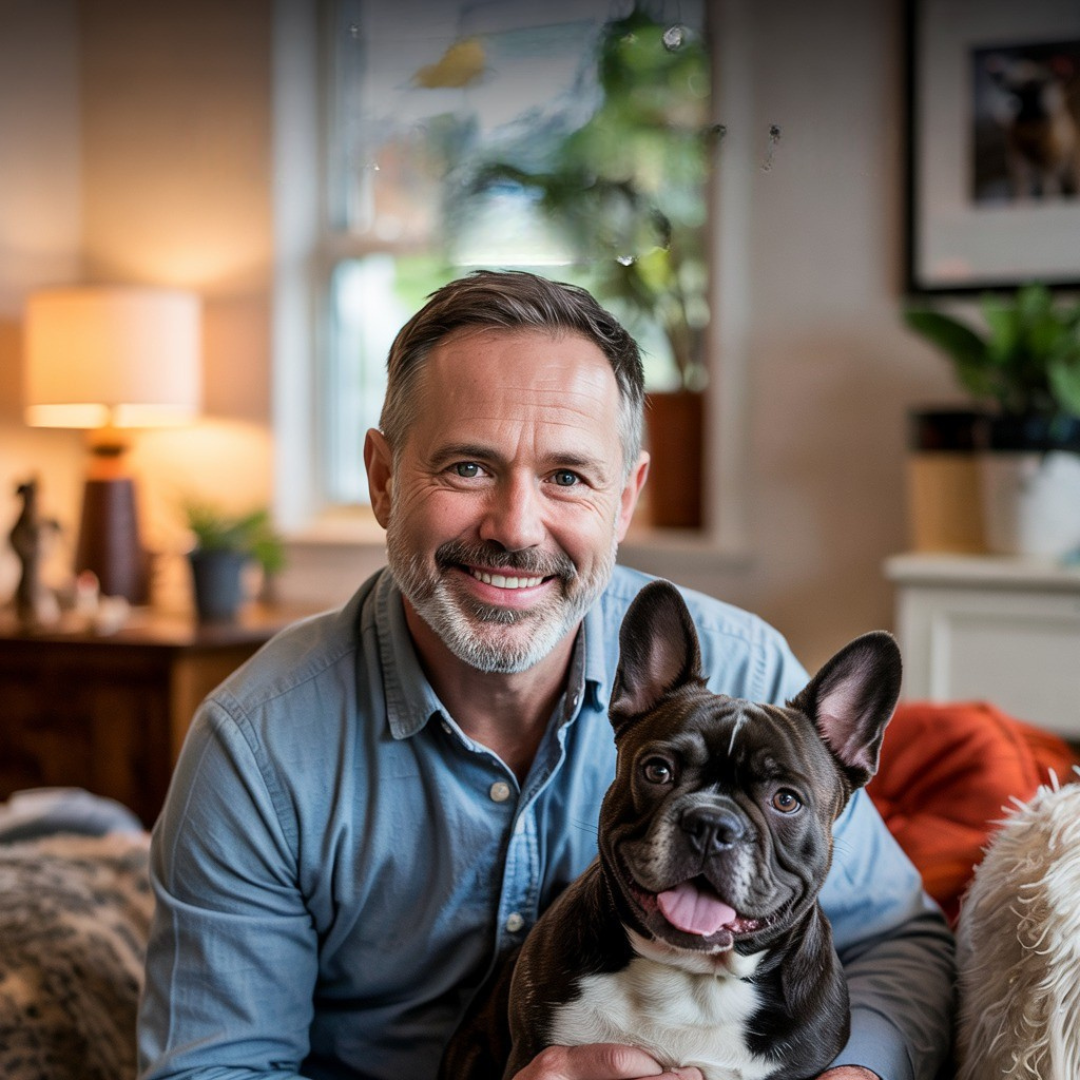
Dr. Alexandre Matheusu is a French Bulldog specialist with over 20 years of hands-on experience dedicated exclusively to the breed. Throughout his career, he has worked closely with responsible breeders, veterinarians, and kennel clubs, always respecting the traditional standards that shaped the French Bulldog into the companion dog it is today.
He holds a degree in Veterinary Medicine and a postgraduate certification in Canine Genetics and Breeding Management. Over the years, Dr. Moreau has focused on preserving breed health, correct morphology, and balanced temperament, following classical breeding principles passed down by experienced breeders.
Recognized for his deep knowledge and practical approach, he has advised kennels across Europe and the Americas, participated as a consultant in breeding programs, and contributed to educational materials aimed at protecting the future of the French Bulldog.
Humanize 274 words