
Understand your Frenchie’s temperament
Frenchies are built for cuddles and comedy. You’ll notice they crave your company and will follow you from couch to kitchen like a tiny shadow. That people-first drive means training works best when you make it a team game. Use play, praise, and short treats instead of long lectures — they respond to warmth and laughs more than drill-sergeant energy.
Don’t mistake their charm for obedience. Frenchies can be stubborn and selective about what they care to do. Their attention span is short, so break lessons into mini-sessions: five minutes of sit, a game, then a rest. Watch their body language closely — a half-closed eye or a slow tail wag can tell you they’re thinking, not being rude.
Every Frenchie is an individual. Some are bold and want to meet everyone; others are shy and need slow introductions. Your job is to read their signals and adjust. When you match your pace to theirs, progress feels natural, like two dancers finding the same rhythm.
Temperament-based dog training
If you’re asking “How to train while respecting the breed’s temperament,” start small and fun. Keep sessions brief and upbeat. Use high-value treats or a favorite toy for motivation, and end on a win so your Frenchie thinks training is snack time and playtime rolled into one. Think in tiny steps: lure, reward, repeat, then add a cue.
Be gentle with corrections. A Frenchie shuts down faster than a bigger breed when scolded. Instead of yelling, redirect to a known behavior and reward that. Socialization is part of training too — short, positive visits to new places will build confidence without overwhelming them. Consistency beats intensity every time.
Why Frenchies are low-energy
Frenchies weren’t bred to herd or hunt. They were bred to be lap companions. That history shows up in their day: bursts of silliness, then long naps. They manage short walks and indoor play better than marathon hikes. Think sprints and snoozes, not endurance training.
Their flat faces also matter. Brachycephalic anatomy makes heat and heavy breathing real risks. You’ll need to pace exercise and watch for signs of stress: heavy panting, drooling, or stumbling. Mental work like scent games can tire them out without overheating the body.
Key traits to note
Your Frenchie is affectionate, attention-seeking, and often stubborn in a funny way. They’re food-motivated but can get bored with repetition, so switch rewards and games. They can show separation anxiety if left too long, and they dislike extremes of heat or cold. Read their cues, give short training bursts, and you’ll get a smart, loving companion who thrives on your calm leadership.
Train while respecting breed traits
French Bulldogs are small but mighty in personality. Think of your Frenchie as a little boss who likes comfort, people, and short bursts of action. How to train while respecting the breed’s temperament means working with that personality, not against it. Short attention, big feelings, and a snub nose that tires easily all shape how you train.
You need calm, clear signals and big rewards. Use praise, tasty treats, or a favorite toy. Skip long, high-energy drills. Your dog learns best with gentle repetition and a relaxed vibe. If your Frenchie pants hard or slows down, stop and cool off.
Keep sessions regular and simple. A few minutes several times a day beats one long push. Track small wins: three sits, one loose-leash walk, a calm greeting. Small steps lead to solid habits.
Breed-specific training methods
Use low-impact games that match the Frenchie’s body and brain. Targeting, name games, and short fetch with soft toys work great. Clicker work or a clear marker word helps you reward the exact moment you like. High-value treats beat big piles of kibble when focus is low.
Avoid long runs, tight harnesses that press the chest, or drills that spike the heart rate. Teach loose leash in short walks and reward calm passes at other dogs. Focus on body language — your Frenchie will tell you when they are done.
Start with short, calm sessions
Aim for three- to five-minute bursts, two to four times a day. Pick quiet spots: the kitchen, a corner of the living room, or right by the crate. Calm starts make calm responses. End each short session on a success so your dog stays eager.
Build up slowly. Add one extra minute or a tiny distraction, like a softer toy or a new voice tone. Keep your cues simple and your praise warm. If you get frustrated, take a break — your Frenchie mirrors your mood.
Simple daily plan
Morning: five-minute sit/wait and leash walk. Midday: three-minute focus drill or puzzle feeder. Late afternoon: short play and a two-minute calm greeting exercise. Evening: five to ten minutes of loose-leash work and a final calm command session before bed. Adjust for naps, weather, or vet advice.
Reward systems matching breed personality
French Bulldogs love comfort. You’ll see it in their slow tail wags and stare-downs when you open the fridge. Match your reward system to that calm, food-first vibe. Short, fun bursts work better than long drills. Keep things light so your Frenchie stays willing, not bored.
Personality varies—some Frenchies are toy-crazy, others live for a nibble. Watch your dog for a few days. Note whether belly rubs, a chewy treat, or a five-minute chase gets their full attention. Use that clue as your guide and switch up rewards to keep them guessing.
If you want clear steps on How to train while respecting the breed’s temperament, build routines that fit their energy. Train in short sessions, praise warmly, and avoid long repeats. When you match the reward to the mood, progress feels easy for both of you.
Food or play: what drives your pup
Test simple things: a tiny bite of chicken, a squeaky toy, and a quick walk. Offer each during a short session and watch which one makes your Frenchie perk up. That reaction tells you what they value most in the moment.
Some Frenchies adore food above all. Others get hyped by tug or chase. You might also find they just want to be close to you—praise and touch can outperform treats. Use what works and keep switching so training stays fresh.
Use small, frequent rewards
Small pieces keep calories down and attention up. Break treats into pea-sized bits and reward every correct move at first. That steady reinforcement helps your pup link the action to the reward fast.
Keep sessions short—three to five minutes, a few times a day. If you use toys, let the toy be the reward only after the command is done. This keeps value high and stops your dog from treating practice like playtime only.
Pick the right reward
Go for soft, smelly treats that are easy to chew, tiny cooked meat pieces, or a favorite squeaky toy. Rotate rewards to keep them exciting, and avoid big chunks that slow training or risk choking. Safety and speed win the day.
Gentle training for sensitive breeds
You want your Frenchie to learn without stress. Start with short sessions. Five minutes, two to three times a day works better than long drills. Use soft praise, tasty treats, and quick wins so your dog feels smart and happy.
Keep your voice calm and steady. A raised tone can scare a sensitive dog. Try a quiet “yes!” and a happy food reward. Change the pace if your dog looks confused or freezes. Small steps build big habits.
You’ll get more from treats than tension. Hold the treat close to your dog’s nose, then move it to guide them into the right position. Reward quickly so they link action and payoff. That click or soft word becomes a bridge to better behavior.
Set clear signals and stick with them. Use one word per command and the same hand signal. If your Frenchie responds, celebrate briefly and end the session on a high note. That keeps learning fun and stress-free.
Signs you should slow down
Watch the small stuff: lip licking, yawning, turning away. These are your dog’s I’m uncomfortable notes. If you miss them, you’ll push too hard and undo progress.
Other signs include stiff body, frozen stance, or sudden hiding. If your dog looks elsewhere or ignores treats, you’re past the sweet spot. Back off, breathe, and try a gentler step next time.
When to pause a session
Pause immediately if your dog freezes, trembles, or refuses food. Give a break, pet lightly, and offer a calm word like “okay.” Let them sniff and relax for a few minutes. End the session if they stay tense so training stays safe and positive.
Low-energy breed training strategies
You want training that fits your Frenchie’s pace. Short sessions win: aim for 3–5 minutes, two to four times a day. French Bulldogs tire fast and can overheat, so you’ll get more progress with frequent, calm drills than with one long push. Use high-value treats, quick praise, and end on a win so your dog stays eager next time.
Keep commands simple and consistent. Pick three to five basic cues first — sit, down, come, leave it, and a relaxed walk cue. Repeat them in low-stress spots like your living room or a quiet yard. If your pup yawns, pants hard, or slows down, pause. You can always come back in 10 minutes.
Use your body language as much as words. Frenchies read hands and tone faster than long speeches. Lower your voice, crouch, and make eye contact when you want focus. If you mix play with calm rewards, your Frenchie learns that good behavior means easy fun, not a marathon.
Start with a mood check
Begin each session with a quick check: is your dog excited, sleepy, or thirsty? Match the training to that mood. If they’re peppy, do a few quick tricks. If they’re mellow, work on slow, steady cues like “settle” or “place.” Respecting mood keeps training positive and effective.
Mental games over long runs
How to train while respecting the breed’s temperament starts with swapping long runs for brain work. Frenchies often love sniffing and solving problems more than running miles. Hide treats in boxes, scatter kibble for a nose trail, or teach simple scent games. These burn mental energy without stressing lungs or joints.
Play short, challenging games that make your dog think. Puzzle feeders, shell games with cups, and short trick chains keep their brain busy. You’ll notice better focus in walks and fewer random zoomies.
Easy exercise ideas
Mini workouts that match their body: short 5–10 minute walks in cool parts of the day, indoor fetch with soft toys for quick bursts, slow stair step-ups, and slow leash training that adds focus. Mix in nosework and gentle tug for two-minute bursts. Watch breathing and stop if your dog breathes hard or gums pale.
Socialization by breed temperament
French Bulldogs are soft-hearted and bold in small bursts. They love people but can tire fast, get snappy when overwhelmed, or freeze when surprised. Socialization can’t be one-size-fits-all — match what you do to their energy and body type.
Think short and sweet. Use brief play sessions, quick visits, and calm environments. Let your Frenchie take breaks. Watch breathing and body language. A five-minute friendly visit at the right pace beats a frantic hour at a noisy dog park.
How to train while respecting the breed’s temperament means breaking lessons into small steps, rewarding calm choices, and using lots of praise. Try three-minute exposures to new people, then walk away while your dog still wants more. Small wins build confidence.
Puppy and adult socialization
Puppyhood (about 3–16 weeks) is prime time for gentle introductions to sights, sounds, people, and dogs. Keep each new thing short and positive. Let your pup approach at their own speed.
If your Frenchie is older, you can still reshape reactions. Use low-pressure practice and rewards for calm behavior. Repeat small successes. Building trust slowly rewires fear into curiosity.
Introduce people and dogs slowly
For people, start with one calm visitor offering treats and letting the dog approach. Tell kids to move slowly and to let the dog sniff their hand first. Don’t force hugs or face-to-face approaches.
For other dogs, use parallel walks first so they meet at a distance and feel safe. Keep leashes loose and the mood light. Allow short, supervised sniffs on neutral ground. If either dog stiffens or snarks, step back and try again later.
Safe social goals
Aim for calm curiosity: your Frenchie can sniff, look around, and then check in with you. Accept a polite hello without lunging or hiding. Short attention to you, relaxed breathing, and a wagging tail are signs socializing is working.
Working-dog mental stimulation techniques
You can treat your Frenchie like a little worker without turning them into a marathon runner. Think short, purposeful tasks that match their body and breathing—scent trails, simple obstacle lines, and obedience games. How to train while respecting the breed’s temperament means you put the brain to work while keeping the body safe: five-minute bursts, cool breaks, and quiet praise.
These mental jobs cut boredom fast. A dog that has used their nose or solved a puzzle is calmer at home and less likely to chew the couch. Set up a routine so your Frenchie knows work time and chill time. Rotate activities so nothing gets stale.
Job-style tasks and puzzles
Give your Frenchie a “job” that fits their size: carry a light bandana, do a mail-fetch routine, or learn a short therapy-style sit-and-stay for gentle petting. Pair every task with clear cues and tasty rewards. Break skills into tiny steps and celebrate each one.
Rotate puzzle toys and scent play. Start easy, then raise the challenge. Use soft chews or low-odor treats and keep sessions to five to ten minutes. Scent games — hide treats under cups or build a short trail — tap instincts and tire the brain fast.
Short brain workouts
Five minutes is plenty: name recognition, target touches, quick impulse-control games like waiting for a release word, or a tiny obstacle line of cushions. Do two or three of these short drills spread through the day—perfect between naps.
Train differently than high-energy breeds
High-energy dogs often thrive on long runs and repeated drills. Your Frenchie wears a compact engine and cools down slower. Short, focused sessions win over marathon play. Swap long jogs for scent work, puzzle toys, and short fetch sessions. Keep the challenge, cut the duration, and focus on safety.
When comparing needs, the difference is clear: high-energy breeds burn energy with physical output; your Frenchie burns it with mental games and short bursts. A few concentrated minutes several times a day beat one long session that leaves your Frenchie wobbling.
Adjust intensity for safety
Your Frenchie’s short muzzle and compact body make long runs risky. They can’t cool down as quickly and can tire suddenly. A ten-minute brisk walk or short sprint games are far more suited than long-distance jogging. Always watch breathing, tongue color, and gait; any heavy panting, coughing, or wobbliness means stop and rest. Train in cool parts of the day, offer water breaks, and keep sessions short.
Safety-focused training for brachycephalic dogs
You might ask, “How to train while respecting the breed’s temperament” — and that question is the right place to start. With a Frenchie or any flat-faced buddy, training is about short bursts and big rewards. Keep sessions to five to ten minutes. Use high-value treats and praise so your dog learns fast without getting tired or stressed.
Focus on calm, slow progress. Teach basics like sit, come, and loose-leash walking inside or in cool shade first. Use a harness instead of a neck collar to protect the throat. Always watch the breathing — if your dog starts snorting more or seems to struggle, stop and rest.
Think of training like a slow dance, not a sprint. Break down commands into tiny steps and celebrate small wins. If your dog gets excited, step back and bring the energy down before continuing. That way you build confidence and keep safety front and center.
Watch heat and breathing limits
Heat is a real danger for flat-faced dogs. Even mild exercise in warm weather can cause trouble. Pick cool times of day, keep walks short, and carry water. If the pavement is hot on your hand it’s hot on their paws, so move to grass or shade.
Learn the warning signs: heavy, noisy breathing, excessive drooling, bright red or bluish gums, sudden weakness. If you see any of these, stop right away, move to a cool spot, offer water, and call your vet if they don’t improve quickly. Quick action can make the difference between a scare and an emergency.
Stop signs for exercise
Watch for loud snorts, long pauses between breaths, wobbliness, or collapse — those are clear stop signs; act fast. Cool them down slowly with shade and water, avoid ice baths, and call your vet if breathing stays poor or gums look pale or blue.
Summary: How to train while respecting the breed’s temperament
Respect the Frenchie’s short attention span, sensitivity, and brachycephalic limits. Train in short, calm sessions; use high-value rewards; favor mental games over long runs; and watch body language and breathing closely. Small, consistent wins build confidence, safety, and a strong bond — and that’s the heart of how to train while respecting the breed’s temperament.
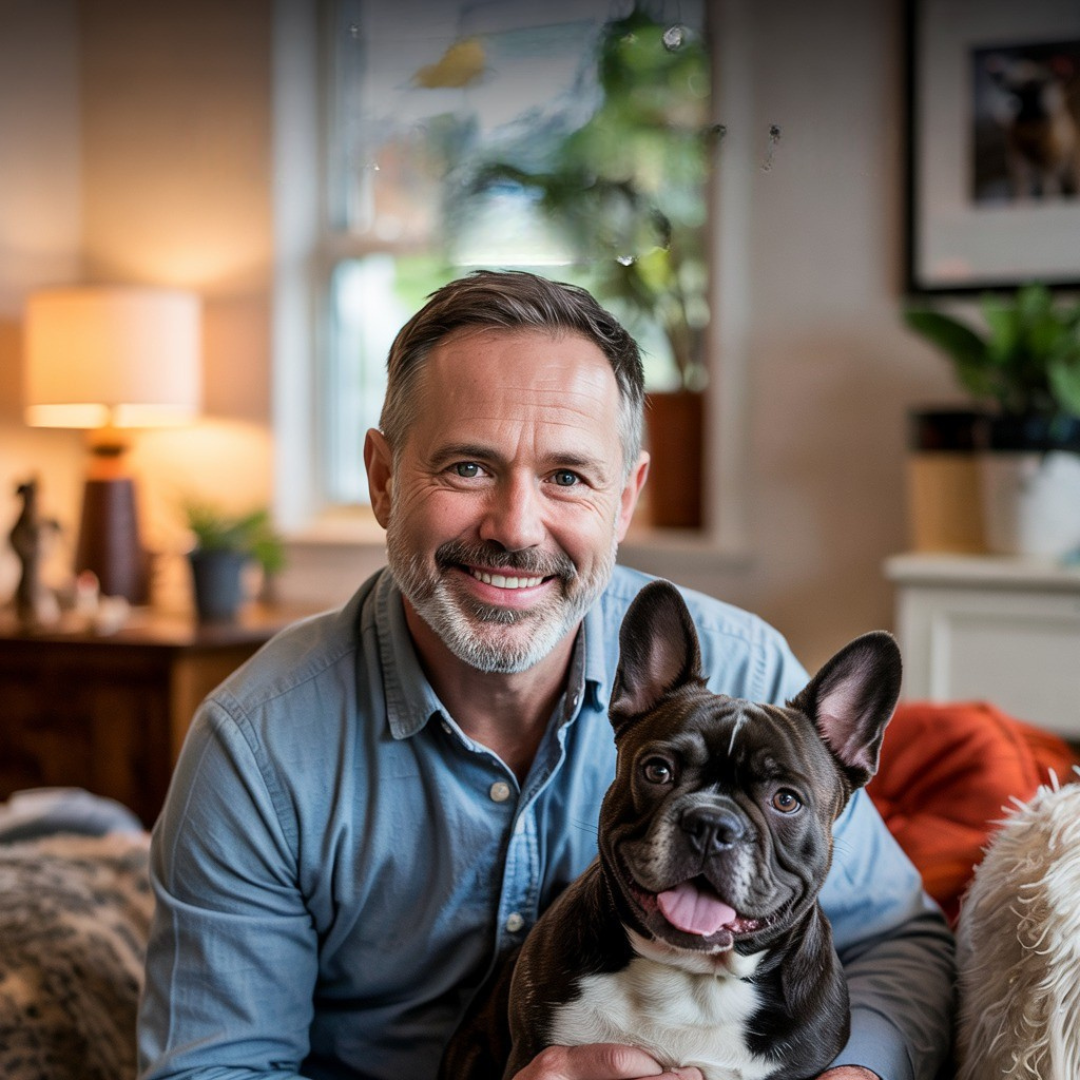
Dr. Alexandre Matheusu is a French Bulldog specialist with over 20 years of hands-on experience dedicated exclusively to the breed. Throughout his career, he has worked closely with responsible breeders, veterinarians, and kennel clubs, always respecting the traditional standards that shaped the French Bulldog into the companion dog it is today.
He holds a degree in Veterinary Medicine and a postgraduate certification in Canine Genetics and Breeding Management. Over the years, Dr. Moreau has focused on preserving breed health, correct morphology, and balanced temperament, following classical breeding principles passed down by experienced breeders.
Recognized for his deep knowledge and practical approach, he has advised kennels across Europe and the Americas, participated as a consultant in breeding programs, and contributed to educational materials aimed at protecting the future of the French Bulldog.
Humanize 274 words