
Early ancestry and traits
You can spot the heritage in a French Bulldog the moment you meet one. Their short muzzle, wide chest, and compact body come from toy bulldogs crossed with English bulldogs. Those physical marks point to behavior too: you’ll find a dog that is playful, stubborn, and fiercely people-centered.
How the origin of the French Bulldog influenced its temperament shows up in everyday life. These dogs were bred to be close to people, so they love to be near you, seek attention, and act like a small, snorting shadow. At the same time, the English bulldog line adds a calm, steady backbone so your Frenchie can be both lively and relaxed.
Think of the breed as a living mash-up of a lap companion and a little guard: bursts of clownish energy, then long stretches of couch devotion. Those swings come from genes and from the jobs they once had—company and companionship—so knowing the history helps you match their needs to your routine.
Toy bulldog ancestry traits
The toy ancestors bring a feisty spark. Your Frenchie can be bold in a small package, with a curious mind, quick reactions, and a bit of mischief. That means you’ll need to give them safe outlets for play and mental work, or they’ll invent trouble.
Being small doesn’t make them fragile emotionally. Toy bulldog roots give real confidence around people; they tend to be outgoing with strangers and other dogs, though training and social time shape that friendliness into good manners.
French Bulldog origin temperament
France shaped the breed’s softer side. Parisian life and cafés favored dogs that loved company and could handle busy rooms without losing their cool. Your Frenchie usually prefers being with you over wandering off, which makes them great for apartments and city living.
They also picked up a comic streak—expect funny poses, dramatic sighs, and theatrical demands for attention. That personality makes training fun but sometimes a negotiation: gentle, consistent rules win more than loud corrections.
Toy and English bulldog roots
Put toy roots and English bulldog traits together and you get a dog who is both mischievous and steady: bold enough to bark at a squirrel, calm enough to nap on your lap minutes later.
Breeding for a companion dog
Breeders shaped the French Bulldog to be a true companion. You can see that in their size and how they prefer your lap over a wide open yard. This purposeful breeding pushed traits like affection, quiet manners, and a calm way of moving into the breed’s core.
How the origin of the French Bulldog influenced its temperament is clear when you trace the breed back to small English dogs brought to France and raised by urban families. Those city homes wanted dogs that were friendly, easy to manage, and happy indoors, which made the Frenchie sociable, a bit cheeky, and very tuned to human moods.
Because breeders prioritized life with people, certain behaviors became common: dogs that seek closeness, show patience with children, and tolerate noise that would bother more active breeds. Breeding for social skills reinforced calmness and a strong desire to be near you.
Parisian companion dog behavior
Imagine a Frenchie at a busy street café: they watch faces, tilt their head, and beg with comic timing. That social curiosity—part showman, part shadow—means your dog will often follow you room to room and try to be part of every conversation.
They can be both playful and quiet: bursts of goofy energy, then long nap sessions at your feet. They alert you when something’s odd but rarely overreact. With patience and simple cues, you can guide that attention into good manners.
Selective breeding and calmness
Breeders picked dogs that stayed relaxed around people. A well-bred Frenchie shows steady behavior and low prey drive—traits aimed at fitting city life without endless running or chasing.
Still, choices focused on looks can affect health, and health shapes behavior. Dogs with breathing problems or pain get cranky or anxious. If you want the best temperament, look for breeders who prioritize health and clearances. A healthy dog is a happier, more even-tempered companion.
Companion role shaping traits
Because the Frenchie was meant to be by your side, the breed developed small size, an expressive face, and a social streak that makes them quick to bond. You’ll notice their companion role in a need for closeness, tolerance for indoor life, and readiness to be your constant buddy.
Working roots and instincts
When you ask How the origin of the French Bulldog influenced its temperament, you’re tracing a family tree of habits. The Frenchie came from small working dogs and stout bulldogs, leaving a dog who is brave, playful, and often a bit stubborn—a compact engine with lots of spark but not built for long-distance endurance.
You’ll notice those roots in everyday life: love of short activity bursts, cuddles, and attention. Those working roots make them keen to please but sometimes picky. Instincts pop up in small things: a sudden chase after a fluttering leaf or a fierce guard of the sofa. If you know where the energy comes from, you can guide it with play, rules, and a steady hand.
Working dog roots temperament
Your Frenchie inherited a worker’s mindset: quick to act, sharp to read a situation, and loyal to its people. They want you nearby and will follow your lead like a shadow. That loyalty can be a warm blanket—or a small body that insists on being part of every plan.
Because they once had jobs, these dogs can be stubborn when bored or left alone. Use short, fun sessions and reward good choices; meet their working spirit with clear, kind rules for cooperation and a happier pet.
Ratter and bulldog ancestor roles
Ancestors wore two main hats: the ratter hat and the bulldog hat. The ratter side gave speed, quick turns, and keen eyes for movement—hence darting after small critters or zooming across a room. The bulldog side added courage, low-slung strength, and a stubborn backbone, making them brave and loyal. Mix those traits and you get a dog ready to protect or play depending on the moment.
Drive and prey instinct links
The prey drive in your Frenchie is a tidy package: sharp focus for short chases, not long hunts. Use toys and brief training games to channel that energy into fun habits rather than household headaches.
Genes that shape personality
You can see the role of genes in a French Bulldog the moment it meets you. Some dogs are calm, others bouncy, and much of that difference comes from heredity. Breeders long ago picked dogs for particular traits, and those choices left a clear mark on your pup’s temperament.
Genes influence brain chemistry, affecting fear, playfulness, and sociability. The lively spark or the mellow cuddle habit often runs in families. That heredity mixes with what you give your dog early in life—care, training, and social time—so knowing the genetic baseline gives you a head start.
Genetic basis behavioral traits
Genes affect brain wiring. Small variations can change reactions to strangers, loud noises, or other animals. Researchers also link certain genes to energy level and attention span, which helps explain why some French Bulldogs nap for hours while others want to play every five minutes. Match your lifestyle to those inherited traits and life together becomes smoother.
How the origin of the French Bulldog influenced its temperament
How the origin of the French Bulldog influenced its temperament is clear if you trace its roots from working dogs to city companions. Shaped to be close to people and kept on laps in tight homes, they became friendly and attention-loving.
The blend of English bulldog stock with small toy breeds and selection by lace-makers and city folk gave your Frenchie a calm, social nature. When your dog follows you from room to room, it’s a habit stamped by history and purpose—made to be a little shadow with a big heart.
Inherited temperament clues
Look at parents and littermates for clues: puppies that play nicely, accept handling, and recover quickly from surprises often grow into steady, friendly adults; those that hide or panic may carry more anxious tendencies. Watch social play, startle recovery, and daily energy—early signs reveal inherited temperament quickly.
Home life and social training
Your Frenchie thrives on predictable routine. When you feed, play, and rest at roughly the same times each day, your dog learns trust and calm. That steady rhythm reduces anxiety and prevents small issues from growing. Keep meals, walks, and naps consistent so your Frenchie knows what to expect.
You shape manners with short, clear lessons daily. Five minutes of focused practice works better than one long session. Use praise and tiny treats when your dog sits, waits at the door, or greets visitors politely. Positive feedback teaches faster than scolding and keeps training fun.
Make home a safe social classroom: invite friends who know dogs, let your Frenchie meet new sounds and textures, and guard against fear by stepping in early. If your dog shows worry, slow down and use calm rewards. With steady exposure, your Frenchie becomes confident without losing that cuddly charm.
Environment and selection behavior
Breed history matters to how your Frenchie behaves today. Ask yourself, “How the origin of the French Bulldog influenced its temperament?”—the answer shows in their love of people and low prey drive. They prefer close company and short bursts of play over long solo work.
Your home layout and who lives with you shape daily behavior. A cluttered, noisy space can make a Frenchie clingy or snappy; a quiet corner, simple toys, and regular play breaks help the friendly, bold parts of your dog shine.
Early socialization effects
Puppyhood sets the tone. Expose your Frenchie to kids, other pets, and different places early to get a dog who greets life with curiosity. Short, fun outings and safe meetings teach that new things are okay—this first month or two is prime time for building comfort and courage.
Missed chances create fear faster than training builds confidence. If your puppy hides or barks at every noise, gradual exposure, gentle praise, and steady routines rebuild trust. Small wins add up fast.
How owners shape Frenchies
You are the biggest influence on your Frenchie’s heart and habits. Your tone, rules, and reactions to jumps or barking teach what is allowed. Firm kindness, consistent boundaries, and daily play make your dog reliable and joyful—think of yourself as the script writer for your dog’s day-to-day life.
Health, shape, and behavior
You might be surprised how much a Frenchie’s shape drives its actions. How the origin of the French Bulldog influenced its temperament is visible in the flat face and big eyes prized by small-town shops and couture circles. That compact, brachycephalic head brings charm—short snorts, big snuggles—but also breathing limits that shape energy, play style, and how calm your dog stays in busy places.
Because of that build, health becomes a personality driver. A Frenchie who can’t catch its breath will choose couch time over a long run, and that choice looks like a chill temperament. Recurring ear, skin, or spine problems can make a dog tense or jumpy. Watch and treat those issues early so their playful, clown-like nature can shine.
Your role matters. Small changes—cooler walks, weight control, regular vet visits—help the temperament you love show up more often. Think of health as the stage and shape as the costume; both set the scene for how your pal acts. Behavior often signals hidden aches or heat stress.
Brachycephalic health links to temperament
A flat face is adorable but makes breathing harder, causing loud snorts, sleep pauses, and quick overheating. When breathing is tough, your dog has less patience and stamina for games—shorter activity bursts and more rest. Those limits can look like stubbornness but are often coping with discomfort.
Easing breathing issues lifts mood. A dog that can breathe easier will play more and worry less. Shorter walks in cool hours, weight control, and lower humidity can turn a tense pup into a goofy, confident companion.
Selective breeding and health
Breeders picked charm—flat face, tiny size, bat ears—more than function, which increased certain health problems: joint issues, skin fold infections, and breathing trouble. Those conditions nudge behavior—your dog may be quieter, clingy, or skittish because of discomfort.
That said, breeders who value temperament and pair it with health clearances can shift the balance. Socialization and routine care shape how genetics show up, so daily choices help steer temperament as much as bloodlines do.
Stress, pain, and mood
Pain and stress rewrite behavior fast: a normally playful Frenchie can hide, growl, or snap when sore. Watch for sudden quiet, refusal to jump, pacing, or repetitive yawning and lip licking—these are stress and pain signals. Treating discomfort and calming triggers brings back the friendly, silly side you adore.
Conclusion
How the origin of the French Bulldog influenced its temperament is a story of selective pairing: toy bulldogs, English bulldogs, and urban breeders created a compact, social, and sometimes stubborn companion who thrives on closeness. Match their inherited tendencies with health care, early socialization, steady routines, and kind leadership, and you’ll bring out the best of that little shadow with a big heart.
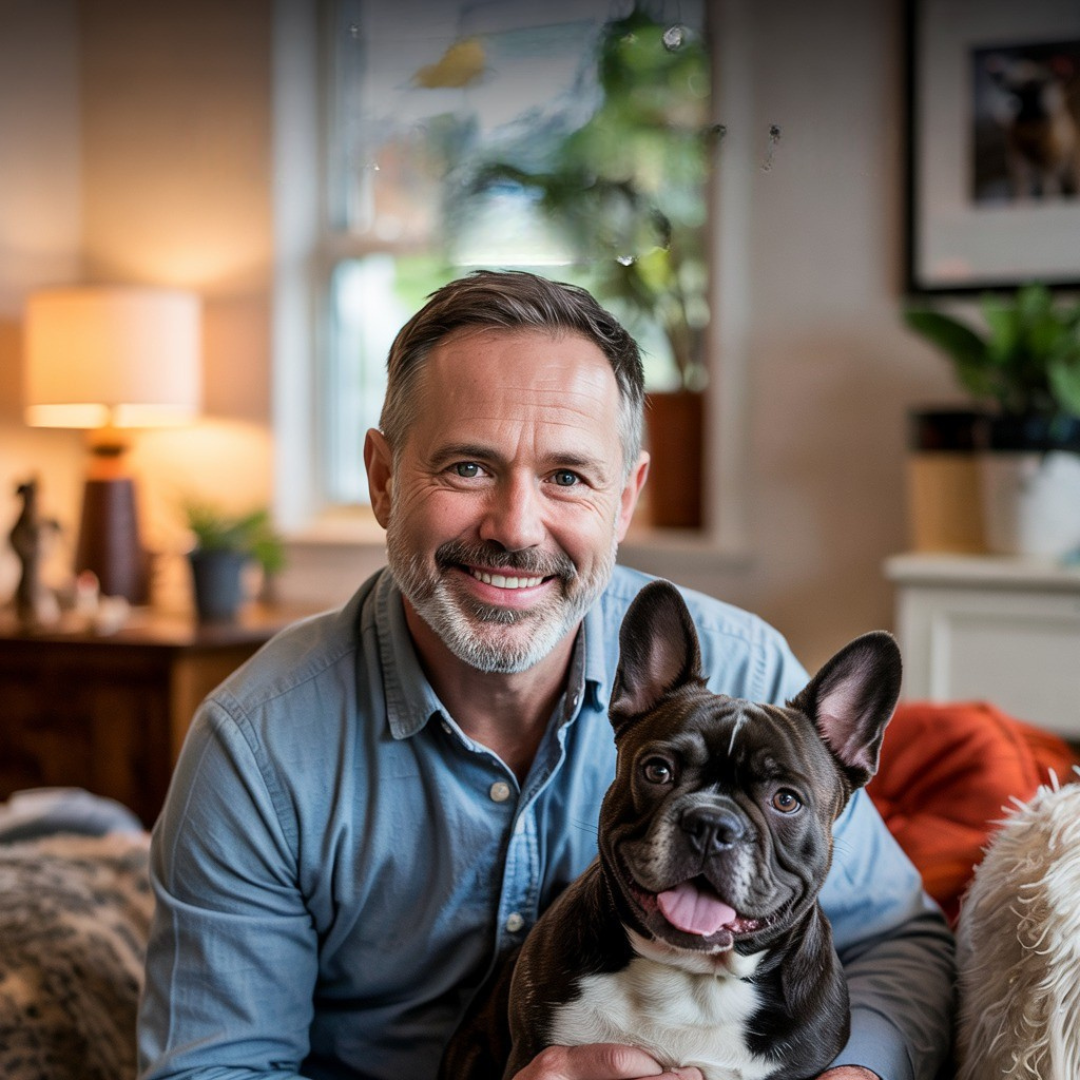
Dr. Alexandre Matheusu is a French Bulldog specialist with over 20 years of hands-on experience dedicated exclusively to the breed. Throughout his career, he has worked closely with responsible breeders, veterinarians, and kennel clubs, always respecting the traditional standards that shaped the French Bulldog into the companion dog it is today.
He holds a degree in Veterinary Medicine and a postgraduate certification in Canine Genetics and Breeding Management. Over the years, Dr. Moreau has focused on preserving breed health, correct morphology, and balanced temperament, following classical breeding principles passed down by experienced breeders.
Recognized for his deep knowledge and practical approach, he has advised kennels across Europe and the Americas, participated as a consultant in breeding programs, and contributed to educational materials aimed at protecting the future of the French Bulldog.
Humanize 274 words