
How temperament influences the owner’s routine
The phrase “How temperament influences the owner’s routine” isn’t just a headline — it’s your daily life with a Frenchie. If your French Bulldog is goofy and clingy, your mornings will be full of cuddle time and slow starts. If yours is stubborn and alert, you’ll find more short training sessions and a firmer schedule to keep things calm.
Temperament shifts the small stuff: walk length, nap times, meal pacing, and who gets up when. A low-energy Frenchie means short walks and long sofa naps; a playful one pushes you to fit in fetch between work calls. You learn to bend your day like a flexible straw — small moves that keep both of you happy.
Emotions matter too. A dog who hates being left alone changes how you plan errands or work-from-home hours. You might build in extra breaks to check in or hire a sitter. Over time you write a routine that matches your dog’s mood, not the other way around.
French Bulldog temperament and owner routine basics
Frenchies are loving and often stubborn. You’ll see loyalty in every wag and a stubborn streak at feeding time. That means short, fun training and consistent rules—five to ten minutes works wonders.
They also dislike heat and heavy exercise. Your walks will be short and timed for cool parts of the day. Swap long hikes for sniff-walks and indoor play to keep your dog safe and your day flexible.
Traits that change your day
Separation anxiety, snorting/flatulence, and stubbornness are major day-changers. If your dog struggles with alone time, carve out practice departures and calming routines before you leave. Snorting and flatulence mean choosing fabrics that don’t trap smells and planning for extra cleanup.
Heat sensitivity and social needs shape weekends: skip midday park visits and pick shady meetups. If your Frenchie loves company, plan dog-friendly visits and short playdates. These traits tweak your calendar more than you expect.
Quick owner checklist for temperament
- Short walks in cool hours
- Tiny training sessions (5–10 minutes)
- Predictable meal times
- A safe crate or quiet spot for solo time
- Gradual departure practice for separation anxiety
- Shade and water on hot days
- Gentle socialization with people and dogs
- Vet checks for breathing issues
- Backup care options for busy days
Calm French Bulldog daily strategies
You live with a small, sturdy dog that likes to take life at its own pace. Short, slow walks and calm play fit them best — think bursts of activity followed by naps. Work with that rhythm so your days stay smooth and your pup stays content.
Keep routines simple and predictable: feed, walk, and nap at roughly the same times so your Frenchie knows what to expect. Predictability cuts stress for both of you. Little rituals—like a five-minute cuddle after a walk—help you bond and make transitions feel easy.
How temperament influences the owner’s routine is clear with this breed: a calm Frenchie nudges you toward slower days. You’ll plan around naps and avoid marathon hikes, trading frenzy for quiet company and a gentle rhythm.
Gentle walk and play ideas
- Two short walks a day instead of one long march; let your Frenchie sniff and explore.
- Stop for water and shade on warm days.
- Low-key play: slow tug, gentle indoor fetch, scent games with treats.
- Puzzle toys to tire the brain without taxing joints.
Low-key training for calm dogs
Short training bursts work best: ten minutes twice a day or 2–5 minute micro-sessions. Use treats and praise for cues like wait at the door, loose leash walking, and a calm place command. Add scent and mental work—hide treats, use muffin tins, or teach toy names—to drain energy gently.
Simple calm schedule
- Morning: potty, 15–20 minute slow walk, breakfast, nap
- Midday: short play or training (5–10 minutes), rest
- Evening: relaxed walk, light play, dinner, wind-down cuddle before bed
Energetic French Bulldog exercise routines
Many Frenchies pack surprising pep. Match short bursts of energy with mellow recoveries: quick play, then a chill break. Safety is key—keep sessions short, avoid heat, and watch for heavy breathing.
Pay attention to personality. How temperament influences the owner’s routine is obvious here: a needy, bouncy Frenchie wants more interactive time; a mellow one prefers puzzle toys and sniff-walks. Match what they like, not what other owners brag about.
Short high-energy sessions
Because of their flat faces, 5–10 minute sprints of fetch or tug followed by quiet time are ideal. Use a timer and mix movement with training: two minutes recall, three minutes chase, then sit-and-reward.
Safe active games for Frenchies
Pick low-impact games that combine quick bursts and thinking: nose work, shell games, short obstacle runs. Keep surfaces soft and non-slip; avoid high jumps and long chases on hot pavement.
Exercise timing tips
- Play during cool parts of the day: early morning or late evening
- Wait ~1 hour after meals before activity
- Watch recovery: if breathing stays fast for minutes, dial back
Adapting owner schedule to Frenchie temperament
You’ll find that a Frenchie runs on short bursts of energy and long naps. That means your day should bend, not break. Watch when your dog perks up, wants play, or prefers quiet. Learning how temperament influences the owner’s routine is the first step—once you get it, life gets easier.
Start by matching your hours to the dog’s peaks. If your Frenchie is lively at dawn, take a short walk then. If they snooze midday, plan work calls for that window. Treat adjustments like experiments: try a week of morning play, then switch to evenings and note reactions.
Shift your routine to match energy
Aim for several short activity bursts: 5–15 minutes of play, a brisk 15–20 minute walk, then a nap. If you work set hours, fit activity into breaks—use alarms or calendar alerts to help at first.
Slot fixed potty and play times
Consistency is gold for potty training. Take your Frenchie out right after meals, naps, and waking. Pair potty times with short play or training to create a clear loop: potty, praise, play.
Simple daily schedule template
- 6:30 — quick potty and 10-minute play
- 7:00 — 15–20 minute walk
- Mid-morning — brief potty break if needed
- Lunch — potty and 10-minute training/play
- Mid-afternoon — short rest or potty
- 17:30 — 15–20 minute walk and light play
- 21:30 — final potty, calm cuddle, lights down
Mental stimulation French Bulldog activities
Frenchies get bored fast; without brain work they’ll find their own entertainment. Short, lively activities prevent trouble—chewing shoes, barking, or endless staring—and make evenings easier.
Mix indoor games with short outdoor sniff walks. A five-minute brain game before a walk makes the outing feel like a reward. Rotate games every few days so novelty keeps attention. Remember: how temperament influences the owner’s routine — sleepy dogs need simpler puzzles; buzzy ones need frequent brain breaks.
Puzzle toys and sniffing games
Start simple: snuffle mats, treat-dispensing balls, or hidden kibble. Sniffing games tire dogs in a happy, quiet way—hide treats under cups, scatter kibble on a towel, or roll treats up for a quick challenge.
Short training for the brain
Keep sessions tiny—2–5 minutes. Teach one trick a day and chain cues into mini-routines (sit → paw → down) for harder mental work without long drills.
Easy brain-game list
- Hide-and-seek with a person or toy
- Muffin tin puzzle with tennis balls and treats
- Cup-and-treat shell games
- Snuffle mat scattering
- Scent-finding with a smelly sock
Calming techniques for French Bulldog
French Bulldogs take comfort in simple, steady things. Set a calm scene: dim light, soft sounds, and a comfy mat that smells like you. Teach a settle cue by rewarding quiet behavior on that mat with short, frequent sessions.
Watch body language: slow breathing, soft eyes, and relaxed muscles mean mellow; quick panting, pacing, or a stiff tail mean stress. A skittish pup needs more short calming breaks than a chill one—match your pace to their signals.
Be mindful of the breed’s breathing limits. Favor scent games, short walks, and mental work over long cardio. Massage shoulders and chest, and try gentle chin strokes as reset moves.
Use calming signals and gear
- Voice: low, steady tone with soft praise and consistent phrases
- Eye contact: slow and relaxed to signal safety
- Gear: snug wraps or calming vests (avoid anything that restricts breathing), pheromone diffusers, white noise machines
- Safe bedding: predictable sleeping spot and mat
Relaxation training and routines
Set a wind-down routine: bathroom, quiet chew, mat cue. Reward tiny steps—one second of calm, then two, then five—using a marker word. Consistency lengthens quiet time into a habit rather than a one-off calm spell.
When to call a trainer or vet
Call a vet for sudden breathing trouble, collapse, or signs of pain. Reach out to a trainer when fear, aggression, or separation panic persists despite calm routines. A pro can rule out medical causes and give hands-on guidance.
Managing hyperactive French Bulldog behavior
If your Frenchie is a live wire, you can channel that spark. Boredom, age, or excitement often trigger hyperactivity. Think about how temperament influences the owner’s routine: a zoomy pup needs more short walks, scheduled play, and quick training breaks. Start by noting triggers and creating three simple daily routines you can do consistently.
Set clear rules and stay steady. Pick one cue for calm, one for play, and a consistent reward. Short practice sessions throughout the day beat a single long scramble.
Redirect and reward focus
Offer a better option when trouble looms: swap attention for a toy, a sit, or a brief trick. Hold a treat and the moment they look at you, praise. Repeat quickly—you’re teaching a trade: calm behavior for something desirable.
Use high-value rewards initially (tiny bits of meat, cheese, or a favorite toy), then space treats out and use praise more. Vary rewards to keep curiosity high.
Structured play to burn energy
Plan play like a workout: two or three brisk 10-minute bursts (walk, tug, puzzle). Rotate activities to keep play fresh and mix physical play with brain work to tire them in different ways.
Safety tips for hyperactivity
- Watch for overheating, heavy breathing, or wheezing—stop and cool immediately
- Use a harness to protect the neck; avoid long runs and high jumps
- Supervise around stairs and choose non-swallowable toys
- Always have fresh water and a cool spot ready
Low energy French Bulldog care routine
A mellow Frenchie calls for short, predictable windows for food, walks, play, and naps. A steady schedule reduces anxiety and makes the day easier when your buddy wants to snooze more than sprint.
Pay attention to subtle signals: a slow wag, a heavy sigh, or sun-seeking. Keep grooming and teeth checks brief but regular, and set vet reminders for breathing and weight checks.
How temperament influences the owner’s routine is obvious here: a shy dog needs quieter outings; a stubborn-but-playful dog benefits from two short training bursts daily.
Rest-friendly walks and play
Plan two 10–20 minute walks daily and let your dog set the pace. Pick shady routes in warm months and slow down in cold weather. For play, favor calm games: gentle tug, slow hallway fetch, or scent hunts. Swap high-jump toys for soft chews and belly rub breaks.
Watch weight and breathing closely
Weigh food, pick a high-quality diet, and avoid too many treats. Use a body condition chart: you should feel ribs with a light fat covering and see a small waist from above.
Monitor breathing: noisy breathing, excessive panting, or blue gums need vet attention. If they struggle after a short walk or collapse, seek help right away.
Gentle enrichment ideas
- Puzzle feeders and snuffle mats
- Frozen treat toys for slow chewing
- Short 5-minute training sessions for cues and bonding
- Rotate toys and hide safe treats to spark curiosity
Consistent routine for French Bulldog wellbeing
Your Frenchie thrives on the same rhythm each day. A steady wake-up, set meal times, two short walks, a nap, and calm play make them feel safe. Routine lowers stress, reduces accidents, and increases tail wags.
How temperament influences the owner’s routine: a high-energy Frenchie needs short play bursts and mental games; a mellow one prefers extra cuddles and slow walks. Stick to a plan and you’ll spot health or mood changes sooner, saving time, money, and worry.
Why a steady plan helps your dog
Routine lowers stress and improves digestion and potty training. Regular breaks, shade, and measured activity protect against heat and breathing trouble. One small habit—like checking for labored breathing after play—can make a big difference.
Enrichment ideas for French Bulldog
Give toys that make her think: puzzle feeders, hidden treats, and scent trails. Short training games that teach one trick at a time keep her brain busy without wearing her out. Mix indoor and outdoor play and rotate toys every few days to keep each session fresh.
Weekly routine and goal list
- Meals at the same times daily
- Two 15–20 minute walks at a slower pace
- Two 10–15 minute play or training sessions
- One longer rest block mid-day
- Grooming once a week; teeth check every few days
- Weight check weekly
- One day to try a new enrichment game or short social outing
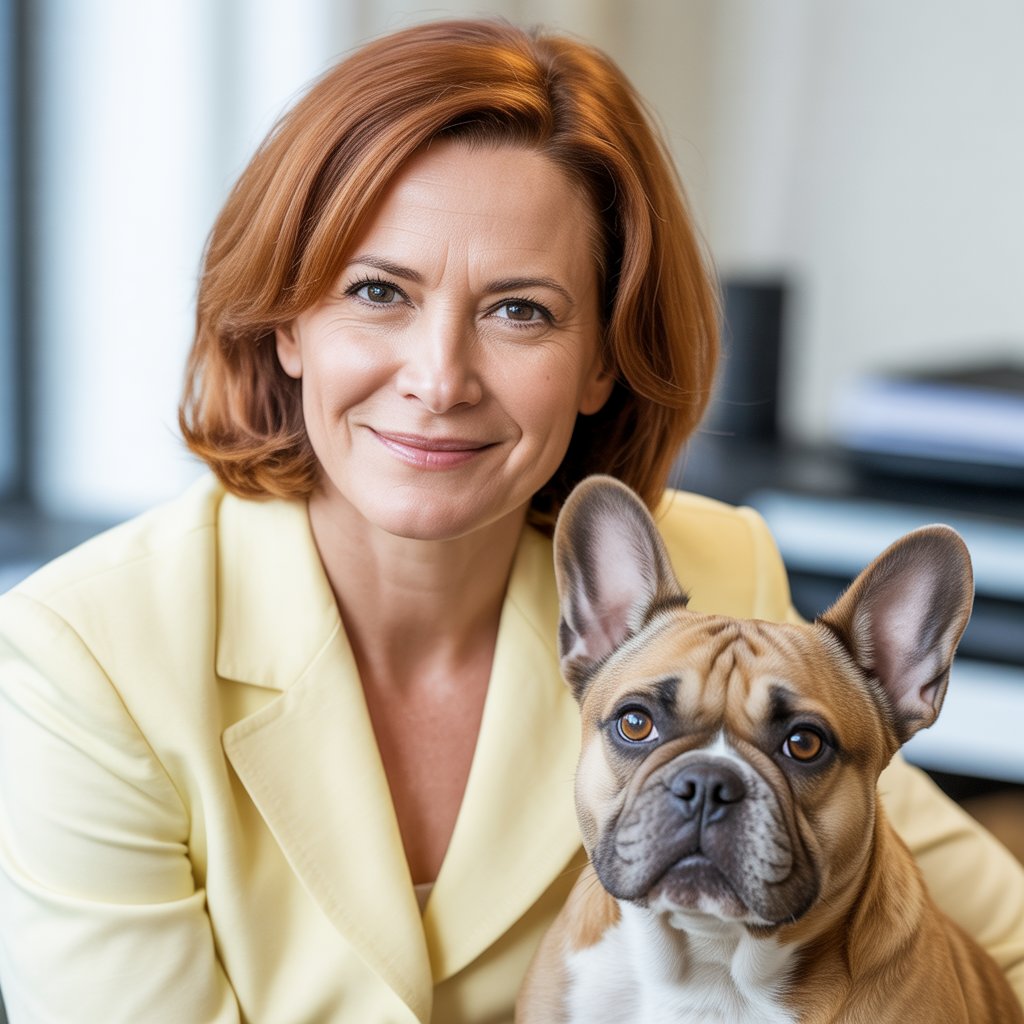
Dr. Isabella Laurent is a French Bulldog specialist with more than 17 years of dedicated experience working exclusively with the breed. Her career has been built on traditional canine knowledge, practical observation, and a deep respect for the historical standards that define the true French Bulldog.
She holds a degree in Veterinary Medicine and advanced training in Canine Reproduction and Breed Health Management. Over the years, Dr. Laurent has focused her work on responsible breeding, genetic balance, and long-term well-being, prioritizing structure, temperament, and overall vitality as they were valued by classic breeders.
As an author and consultant, she shares her expertise through educational content, breeding guidance, and professional collaborations with kennels and veterinarians. Her work is widely respected for combining scientific knowledge with time-tested breeding principles, helping preserve the integrity of the French Bulldog for future generations.