
Animal temperament and socialization
Temperament is your Frenchie’s personality fingerprint. Some Frenchies are bold and clownish; others are shy and clingy. How does temperament influence animal socialization? It changes how quickly and carefully you introduce new people, places, and dogs. A bold pup may barrel into a dog park and learn by doing; a timid one needs slow steps and extra praise. Watch how your dog reads a room and match your pace to theirs.
Temperament affects play style and fear thresholds. A mouthy, confident Frenchie might enjoy fast, rough games; a sensitive one may freeze or hide when scared. That means different games, rewards, and session lengths: short, positive sessions for shy dogs; longer, structured play for bold ones. Read their tail, ears, and breathing to choose the right path.
Think of socialization like learning a language: lots of gentle practice, not a single marathon. Use short outings, friendly visitors, and handled grooming to build confidence. If your Frenchie shows stress—lip licking, yawning, hiding—back off and try a quieter step. If worry keeps returning, ask your vet or a behaviorist for a plan you can follow at home.
Sensitive periods you should watch
Puppy social windows are short and fast. The big one is roughly 3–12 weeks old: that’s when your Frenchie learns people are safe, other dogs are fun, and new sounds are normal. A later wave around 4–6 months tests limits. Keep exposing them gently during both stages—short, positive exposures work best.
Your breed matters. Frenchies tire faster and overheat easily because of their short noses. Quiet indoor meetups, stroller rides, and slow introductions fit better than long hot dog park sessions. Missed windows can be overcome, but it takes more patience.
Individual differences in social development
Every pup arrives with a mix of genes and early experience. Littermates can act like siblings from different planets—one bold, another cautious. Mom’s care, early handling, and small health issues change social tendencies. Watch each dog as an individual, not a copy of the next pup.
Keep a little journal: what scares them, what delights them, and how long they tolerate strangers. Use high-value treats and short sessions for nervous dogs; teach polite greetings and impulse control to outgoing ones. If you hit a wall, get pro help before small problems harden into habits.
Early social milestones to watch
Eyes open at about 2 weeks. Crawling becomes walking by 3–4 weeks. True play with littermates appears around 3–7 weeks. By 8–12 weeks your pup should accept gentle handling, brief alone time, and calm meetings with new people and sounds. Missing these markers can show later as fear or overexcitement—spot them early and give gentle, graded practice.
Assessing temperament in French Bulldogs
You want a clear idea of your Frenchie’s temperament so you can shape habits and avoid surprises. Start by watching reactions to everyday things: noises, visitors, other dogs, and new places. Note whether they approach life with curiosity or hesitation. How does temperament influence animal socialization? A naturally curious dog will seek contact and learn social rules faster than one that freezes or hides.
Next, track triggers and thresholds. Note the point where calm turns to stress—this guides how quickly to introduce new people or situations. Move at the pace your dog tolerates, like steering a small boat through choppy water: slow, steady, and attentive.
Remember temperament is a mix of genes, early life, and current experience. Puppies pick up patterns fast, but adult dogs still change with consistent, kind training. Read the signals, reward calm choices, and reduce risks.
Simple temperament assessment tests you can do
Try quick, safe home tests to map your Frenchie’s style:
- Stranger approach: have a calm friend enter, avoid eye contact, squat down, and offer a closed hand. Watch if your dog sniffs, stays away, or moves between you and the person.
- Resource tolerance: offer a toy or treat, then gently present a hand near it. Do they guard, drop the item, or ignore the hand?
- Recovery check: after a startling noise, do they bounce back or remain on edge?
Keep sessions short and positive, and record what you see—these drills give real clues about confidence, guarding, and stress recovery.
How you read your dog’s body language
Your Frenchie talks with their body all day. A loose, wagging tail and soft eyes mean comfort. A tucked tail, visible whites of the eyes, or stiff legs mean stress or fear. Look for clusters: a wag plus a stiff body is not a happy wag. Treat each signal like part of a sentence—several together tell a clear story.
Watch ears, mouth, and posture. Ears forward and weight leaning in often indicate interest. Tight lips or yawning when nothing is funny usually signals tension. If your dog leans into you, they want comfort; if they turn away, give space. Narrate what you see during walks to train your eye to notice small cues before they become big problems.
Reliable temperament markers
Count on these: how quickly your dog approaches new people, how they handle touch around sensitive spots, reaction to surprises, and whether they share or guard resources. Combine these with play style and recovery speed after stress to build a clear temperament picture.
Temperament effects on social behavior
Your Frenchie’s temperament acts like a personality filter. Bold dogs bounce into new situations and meet faces head-on; shy ones hang back and need a softer nudge. That basic leaning changes how your dog reads people and other dogs every day.
Temperament shapes play, greetings, and how quickly your dog relaxes in a crowd. A bold Frenchie might steal toys, jump in group play, or try to lead a walk. A shy one prefers slow introductions, one-on-one play, or hiding behind your legs. Matching activities to comfort level prevents problems.
How does temperament influence animal socialization? It colors how your dog learns trust and friendship. Early, gentle exposure helps shy dogs build confidence. Controlled challenges teach bold dogs limits. Plan social time with that lens in mind.
How boldness or shyness changes play
Bold play is loud and direct: starts games, tugs hard, chases with vocal invitations. They push boundaries and test reactions. If others don’t like that style, scuffles can spark—guide the energy into safe games.
Shy players are cautious and precise: gentle games, short sessions, or slow sniffing circles. Push them into rough play and they may shut down or snap from fear. Let them approach at their own pace, use calm praise, and pick quieter playmates.
Stress signs that alter interactions
Stress shows quickly: yawns, lip licks, tight bodies, freezing, or tucked tails. Some dogs growl or back away. Those are signals to pause or change the interaction.
Ignoring stress worsens behavior—avoidance, loss of appetite, or unexpected acting-out can follow. Offer space, lower the volume, and use slow, calm encouragement to rebuild confidence.
Spotting shifts in behavior
Watch for subtle changes: less tail wag, shorter play sessions, hiding, or sudden snappiness. Keep short notes so patterns emerge. If your dog used to greet guests and now avoids the door, act sooner rather than later—adjust social plans, add gentle exposure, and check with your vet if the change is sudden or severe.
Personality traits and socialization
French Bulldogs are like little people in dog suits—comedians, couch potatoes, and stubborn sailors all in one litter. Their faces say I love you, but actions tell the rest. Watch how your Frenchie reacts to new people, noises, and dogs—those reactions map out the kind of social life they want.
Temperament sets the pace: a shy Frenchie needs gentle introductions; an outgoing one will drag everyone into the fun. Socialization is not a one-time event; it’s collecting stamps in a passport—each calm meeting adds a positive memory.
Common Frenchie traits you’ll meet
Frenchies are people-focused, which makes them great at learning by watching you. They’re also charmingly stubborn—short, fun sessions win. Use snacks and praise; an engaged Frenchie shows off its best moves, while a bored one invents trouble.
How traits shape dog-to-dog play
Play style depends on personality. Bold Frenchies wrestle and bark; gentle types prefer sniffing and side-by-side naps. When styles match, play is smooth. When they don’t, you’ll see stiff bodies, growls, or quick exits—signals not to ignore.
Be a traffic cop: break play into short rounds, offer water, and swap partners before excitement turns sour. Gradual exposure and rewards teach your Frenchie what friendly play looks like.
Quick trait checklist
Watch for friendliness, clinginess, stubborn streaks, food drive, noise sensitivity, and tolerance for rough play. Note whether your Frenchie greets calmly, escalates, freezes, or uses play-bows—these cues tell you how to introduce dogs and pick play partners.
Temperament-driven social interactions
Temperament decides whether you act as traffic cop or cheerleader at meetups. Read small signals: a loose wag says go; a stiff body or fixed stare says slow down. Tweak distance, introduce treats, or call for a timeout based on mood, not habit.
Over time, build playbooks: calm habits for bold dogs and tiny wins for shy ones. Steady, short practice beats marathon sessions—one step at a time.
Greeting people based on temperament
Outgoing dogs: let people greet but set rules—ask visitors to crouch, keep hands low, and offer a quick sniff, a tidy treat, then a calm command like sit.
Nervous dogs: have guests ignore for 20–30 seconds, then toss a treat gently from a distance. Let your dog come forward. Repeat short, predictable greetings so your Frenchie links people with good things.
Managing new-dog introductions safely
Start off-leash on neutral ground if possible, or keep dogs on loose leashes and walk parallel for a bit. Avoid nose-to-nose at first. Side-by-side walking lets them sniff without pressure.
Watch for play bows, relaxed tails, and loose mouths as green lights. Stiff bodies, raised hackles, or quick staring are red flags. If things escalate, separate calmly, give both dogs a breather, and try again slower.
Practical interaction tips
Use 5–10 minute sessions and end on a high note. Offer treats at the first sign of calm, keep greetings low and slow, swap toys only once both dogs are relaxed, and use parallel walks and scent exchanges before face-to-face time.
Temperament and group dynamics
A bold Frenchie may jump into play and lead the chase; a shy one will hang back. Both reactions change the group’s vibe. Calm, steady handling lets shy dogs relax and keeps bold dogs from getting too rough. Match playmates by energy and bite inhibition to keep play fun.
How leaders and followers form in groups
Leaders often act first—grab the ball, nudge others, or take a spot. Followers mirror that behavior. Reward gentle leadership to shape friendly initiators; discourage rough grabs or resource guarding to prevent sour dynamics.
Preventing conflicts at playtime
Match play styles and swap partners when tension builds. Use short breaks, water, and quiet time. Teach reliable recall and a calm-down cue so you can reset the group without drama.
Read group roles fast
Look for loose, bouncy bodies and play bows versus stiff stances and fixed stares. Notice who starts the chase, who avoids toys, and who guards spaces—those reads tell you who is safe together.
Socialization strategies for temperament types
How does temperament influence animal socialization? It sets the pace and the pressure. A timid Frenchie needs tiny wins and soft edges. A confident one needs rules and channeled energy. Read signals like traffic lights—green for go, yellow for slow, red for stop.
Start by matching the setting: calm places and low-key people for shy dogs; busy spots with structure for bold dogs. Use food, toys, and praise as currency, and change one thing at a time so your dog can learn without overwhelm.
Step-by-step plan for timid dogs
- Begin with a safe base: let them get used to you and your home. Sit quietly, offer treats, and let them approach. Keep sessions to five minutes at first, twice daily.
- Add tiny exposures: walk near a park without entering; reward calm looks. Introduce one calm dog or a quiet person at a distance, decreasing distance slowly over days.
- Use high-value treats and predictable routines. Track progress in small steps and celebrate each brave move.
Games and exposure for confident dogs
Turn play into lessons: play fetch, then make your dog sit before each throw. Use recall games with varied rewards so they learn to come despite distractions. Teach polite greetings—sit before meeting people or dogs—and add impulse-control drills like leave it and wait.
Tailored practice plans
Example plan: timid dogs get two 5–10 minute calm sessions daily plus one slow park visit twice a week; confident dogs get three 10–20 minute training/play sessions plus one structured social outing weekly. Adjust based on reactions and keep notes.
Temperament influence on bonding
A Frenchie’s personality shapes how fast and deep your bond grows. Bold dogs lean into play and meet people quickly; reserved dogs take longer to trust and prefer slow routines. How does temperament influence animal socialization? It sets the starting line and affects how you introduce friends, walks, training, and visitors at home.
Match your daily life to their style: playful, high-energy dogs bond through shared activity; mellow companions bond through quiet routines. Small moments done consistently turn into real trust.
How temperament affects your bond
Bold dogs offer quick connection through play—short training bursts and games build trust fast. Shy dogs require steady, calm moves: predictable routines, quiet praise, and tiny wins. Over time those small wins add up into a solid relationship.
Small steps to build trust with shy dogs
Sit at their level, offer a tasty treat, and avoid looming. Repeat short, positive interactions daily. Use hand feeding, short leash walks with pauses and praise, and gentle grooming sessions. If a sound or place scares them, step back and try a gentler version.
Simple bonding actions
Five minutes of hand-feeding, two-minute massage sessions, a quiet walk around the block, and one short training game each day create predictable rituals your Frenchie will learn to rely on.
Temperament-based socialization interventions
Match your approach to personality. Bold dogs thrive on short, high-energy meet-and-greets and quick praise. Shy dogs need slow steps, safe distance, and tasty incentives. Break sessions into tiny bites—one sniff, one walk-by, one calm reward—and add quiet time after each win so your dog can process without overload.
How does temperament influence animal socialization? It determines the speed, intensity, and types of experiences a dog can handle—pick methods that match their wiring for faster progress and fewer setbacks.
When you should seek behavior help
Seek help if your Frenchie shows sudden changes—biting, snapping, or worsening fear—or if training stalls for weeks despite steady effort. Professional help is not a failure; it’s targeted tools, a plan, and a fresh perspective.
Tools and rewards that fit each temperament
Match rewards to what lights your dog up: high-value treats for food-driven pups, a favorite squeaker for toy-lovers, and gentle petting for touch-oriented dogs. Use soft harnesses for shy dogs and a long line for distance control. For bold dogs, keep sessions brisk with a reliable recall toy. Rotate rewards to keep curiosity high and sessions brief so both of you stay happy.
Signs you need professional help
Get a pro if your dog bites or lunges, freezes and won’t move, trembles constantly, pants heavily, or if guarding and aggression grow over time—these are red flags needing experienced intervention.
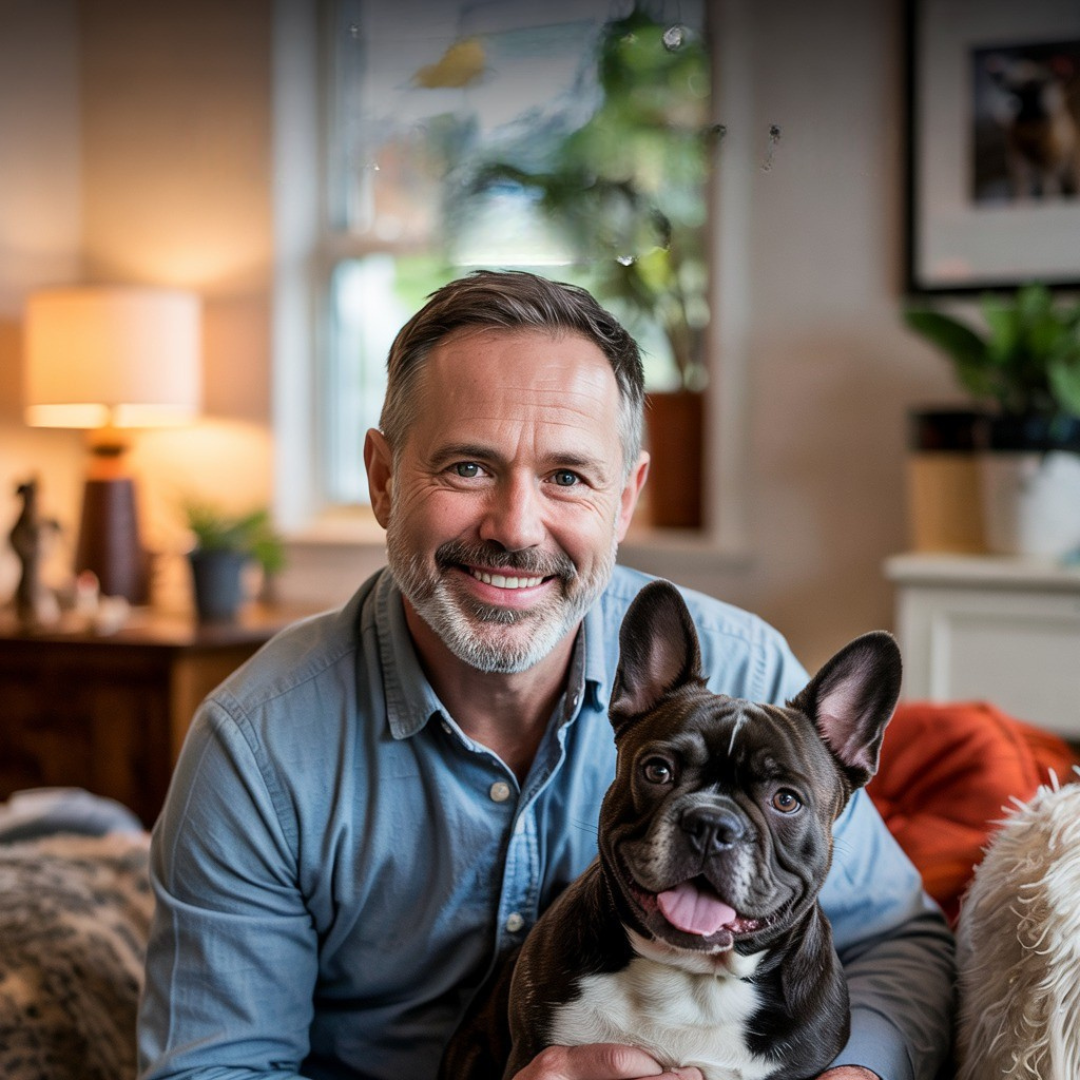
Dr. Alexandre Matheusu is a French Bulldog specialist with over 20 years of hands-on experience dedicated exclusively to the breed. Throughout his career, he has worked closely with responsible breeders, veterinarians, and kennel clubs, always respecting the traditional standards that shaped the French Bulldog into the companion dog it is today.
He holds a degree in Veterinary Medicine and a postgraduate certification in Canine Genetics and Breeding Management. Over the years, Dr. Moreau has focused on preserving breed health, correct morphology, and balanced temperament, following classical breeding principles passed down by experienced breeders.
Recognized for his deep knowledge and practical approach, he has advised kennels across Europe and the Americas, participated as a consultant in breeding programs, and contributed to educational materials aimed at protecting the future of the French Bulldog.
Humanize 274 words