
Genetics and your Frenchie’s temperament
Genes are a big part of why your Frenchie behaves the way they do. Breed lines carry patterns for boldness, snoring, food drive, and how much your dog likes people. Think of genes as a playlist that plays in the background; some songs are loud, some soft, and the mix shapes what you hear every day. Factors that shape the personality of the French Bulldog include those inherited playlists plus how you raise them.
You’ll see traits pop up that feel like family heirlooms. A dog from a calm line will often be calmer, while pups from energetic lines may need more play and attention. That doesn’t mean everything is fixed—training, social time, and daily life tweak the tune.
Watch how your Frenchie reacts to new people, noise, and other dogs. Those reactions give clues about the genes they carry. If you want a head start on behavior, ask breeders about the parents’ temperaments and match training to what your dog seems wired for.
Heritable traits to watch
Some behaviors come from genes more than routine. Guarding, shyness, strong prey drive, and clinginess can run in families. When you spot one early, adapt care so it doesn’t become a problem.
Health-linked traits also come through genes and affect mood. Breathing trouble or joint pain can make a dog grumpy or less playful. Knowing health risks in the line helps you act fast and keeps your Frenchie happier.
DNA tests and what they tell you
DNA tests can map breed mix and flag genetic health risks. They can tell you if your dog carries genes linked to certain conditions. Use test results as a guide, not a verdict; they give clues you can act on with your vet.
Some tests predict behavior traits too, but take those with a grain of salt. Genetic markers for behavior are only part of the story. Combine test info with what you see at home to pick the best training and care for your Frenchie.
Genetics basics for owners
Genes are bits of instruction inside every cell that set a range of possible traits. You inherit half from each parent, so siblings can turn out different. Think of genes as weather—some days are sunny, some stormy, but your care shapes how the day feels.
Breed history and behavior roots
You may meet a French Bulldog and think it’s all snorts and squishy faces, but their history made those snorts meaningful. Bulldogs were brought from England and mixed with small local dogs in France. That mix produced a companion who is brave, stubborn, and eager to be close to people.
When you study the Factors that shape the personality of the French Bulldog, you see how work and warmth mixed. Lace workers and city folk bred for a small, tough dog that loved a lap but could handle city life. The breed kept bulldog grit and added charm — the traits you see when your dog dumps on the couch like they pay rent.
Those roots still show up in daily life. Your Frenchie can be a clown one minute and glued to you the next. They tend to prefer company over long solo time; that blend of playful stubbornness and deep affection comes from where they started.
Origins that shaped common instincts
The heavy bone and compact build came from old bulldogs, giving your dog a bold posture and a low center of gravity. That helps explain why some Frenchies are headstrong about doors, toys, or who sits on their couch spot.
Small companion breeds shrank the size and boosted the social side. Those mixes brought curiosity and a need for human contact. So when your Frenchie follows you room to room, it’s more than clinginess—it’s baked in.
Past roles and modern traits
French Bulldogs were friends of workers and city dwellers—lap dogs and pockets of warmth in cold workshops. That history explains the breed’s love for indoor life, short walks, and quick play rather than long hikes.
Today your Frenchie keeps that cozy job but adds modern quirks. They are fashion icons, social stars, and sometimes drama kings and queens about food or toys. They respond well to praise, are slow to respond to harsh training, and are hugely motivated by affection and silly games.
Historical influences on temperament
Selective breeding for calm companionship shaped their people-focused temper. Mix in bulldog backbone and you get a dog that stands up for their human but prefers peace over conflict. That history is why your Frenchie is both brave and soft at once.
Early socialization and friendly skills
Your Frenchie learns fast. The way you introduce sights, sounds, people, and other dogs in the first months shapes how friendly and calm they become. Think of socialization like school for manners: short lessons, lots of praise, and a few fun breaks. Factors that shape the personality of the French Bulldog include genetics, early handling, and the social experiences you give them now.
Start small and steady. Let your puppy sniff new surfaces, hear household noises, meet relaxed people, and play gently with other vaccinated pups. Use treats and soft voices when they try something new. Avoid forcing interactions; short, positive sessions multiple times a day beat one long scary outing.
Keep practicing as they grow. A one-week push won’t fix months of isolation. Repeat visits to the vet clinic lobby, brief walks past busy streets, and supervised playdates build real confidence. When your pup hesitates, back up a step and reward tiny wins—those tiny wins add up.
Critical social windows for puppies
There’s a sweet spot for social learning from about three to fourteen weeks; puppies absorb new things like sponges. Friendly exposures during this time make new situations feel normal. After fourteen weeks, fear memories can take hold more quickly—move slower and use more praise if your pup shows worry. Consistent, positive practice is your best tool.
Safe ways to meet people and dogs
Choose controlled meet-ups. Invite a calm friend over, have them ignore first and offer treats, then let your pup approach. Puppy classes run by good trainers offer structured social time with proof of shots and safe play rules. Playdates with known, well-behaved dogs reduce risk.
Watch body language. If your pup tucks their tail, freezes, or hides, give them space and try again later. Use a loose leash, low-pace greetings, and treats to reward calm behavior. If another dog seems tense, separate them politely and reschedule.
Socialization milestones to track
By 8–12 weeks your pup should accept gentle handling, short car rides, and meet a few strangers without panic; by 12–16 weeks they should play with vaccinated pups and tolerate vet touch; by six months they should walk calmly in public and respond to cues like sit or leave it around distractions. Keep a simple checklist and mark progress so you can repeat what works and fix what doesn’t.
Maternal care and puppy confidence
Your Frenchie pup learns more from mom in the first weeks than from anyone else. The mother teaches feeding patterns, sleep rhythm, and how to read body language. Those lessons turn into tiny confidence builders: a pup that nurses well and gets corrected gently will be calmer when you bring home visitors or noisy city life later.
Watch how mom handles play and discipline. Gentle nips and a firm growl teach bite control and limits. Those short lessons are like training wheels for manners; remove them too early and your pup can wobble into fear or fussiness.
Remember maternal care is one of the key Factors that shape the personality of the French Bulldog. Combine a good start with kind human handling and you’ll see a curious, brave little dog instead of a nervous one.
How mom affects early behavior
Mom’s responses to whining, her patience when pups stumble at walking, and when she pulls a pup back from unsafe spots teach safety and calm. Puppies copy feeding timing and can become anxious if milk is scarce, so a steady mom gives steady expectations.
Social skills grow with each correction and cuddle. When mom nudges a pup away from rough play, the pup learns bite strength and social cues. That translates to easier meet-and-greets with other dogs and less hand-chasing.
Weaning and early handling tips
Start weaning slowly around three to four weeks, keeping meals small and frequent. Mix soaked kibble or puppy gruel with a little of mom’s milk if possible so the switch isn’t a shock. Move at the pup’s pace: forcing solid food too fast can make mealtimes stressful and make pups guarded around bowls and people.
Handle pups daily from week three on for short stretches. Touch paws, lift gently, mimic vet checks and introduce household sounds at low volume. Keep sessions calm and fun—a soft voice, a treat, a quick cuddle. These tiny exposures build trust and turn new experiences into routine instead of drama.
Signs of healthy maternal care
Look for steady weight gain, clean fur, relaxed sleeping piles, and mom regularly grooming pups—those are green flags. Pups should be lively between naps, nursing eagerly, and corrected but not harassed. If pups cry constantly or lose weight, step in fast with a vet or experienced breeder.
Training methods that shape temperament
Training shapes your Frenchie’s mood like sunlight shapes a plant. You give the right light and it leans happy; give the wrong kind and it becomes cranky or anxious. Think of Factors that shape the personality of the French Bulldog as a recipe: genetics, early life, and how you teach matter. Your training choices decide whether your dog greets life with a wag or with worry.
Start simple and steady. Short sessions, clear signals, and calm timing help your Frenchie learn without stress. These dogs pick up habits fast, but they also hold onto feelings. Reward calm behavior and you’ll get more calm; reward barking or snapping and that grows too.
Temperament isn’t fixed. You can soften fear, boost confidence, and trim stubbornness with consistent practice. Small habits built every day add up, like pennies in a jar.
Positive reinforcement benefits
Positive reinforcement gives your dog something good when they do the right thing: a treat, a toy toss, or a warm “good boy.” This method builds trust, not fear. You get quicker learning and a dog who wants to work with you. Use small rewards and fade them slowly so the behavior stays when treats are rare.
Avoiding harsh techniques
Harsh corrections—yanking on a leash, shouting, or scaring—can backfire fast. French Bulldogs are sensitive and can shut down or get anxious after rough handling. That anxiety shows up as stubbornness, guarding, or fear-aggression. A harsh method may give short-term compliance but can damage long-term trust.
If your dog reacts badly, stop and switch to an easier step. Break tasks into tiny pieces. Replace scolding with redirection and reward the little wins.
Training routines that work
Keep sessions short—five to ten minutes a few times a day—and end on a win so your Frenchie stays eager. Mix practice with play, a quick walk, and calm settling. Use the same cues and rewards each time. Add social trips in quiet settings and increase the challenge bit by bit. Consistent, simple routines make good behavior stick.
Your behavior and the dog bond
You are the main actor in your French Bulldog’s life. Your tone, touch, and tiny habits teach your dog how the world works. That simple truth is one of the most important Factors that shape the personality of the French Bulldog. When you greet them calmly, they learn safety. When you rush or shout, they learn tension.
Think of your relationship as a radio station—your mood is the signal and your Frenchie tunes in fast. If you laugh and play, they become bouncy and curious. If you sigh and pull away, they get nervous or clingy. Small things matter: the way you pick them up, how long you look them in the eye, the words you use.
The bond you build changes how your dog faces the world. A steady, warm owner breeds confidence. A hot-and-cold owner makes a dog unsure. You can flip that script with gentle corrections, quick praise, and steady routines.
How owner mood shapes reactions
Your mood is contagious to your Frenchie. Dogs read your face, breath, and posture. If you are tense, your dog tightens up. If you are calm, they relax. Try walking in with a slow voice and a soft touch and watch how they melt.
Mood over time changes personality. A home with frequent stress can make a dog anxious or needy. A calm, predictable home helps a Frenchie be brave and friendly. If you notice stress in your pup, take a few deep breaths first and reward calm behavior.
Setting clear rules and routine
Rules are kindness for a dog. French Bulldogs like to know the plan. If the couch is a sometimes-allowed zone, they get confused. If bedtime, meals, and potty times stay steady, your dog relaxes and behaves better. Keep commands short and consistent and let everyone in the house use the same rules and rewards.
Daily habits that matter
Daily life shapes your Frenchie more than big events. Regular walks, set mealtimes, short play sessions, and calm goodbyes teach stability. Add a short training game and a mental puzzle each day. Keep walks gentle because Frenchies can overheat or breathe hard. Those small rituals build trust, confidence, and a happier companion.
Health, pain and behavior changes
When your Frenchie acts off, don’t shrug it off as a bad mood. Dogs hide pain like pros. A sudden grumpy streak, less wag, or a refusal to jump can mean something is hurting. Think of behavior as their report card—small shifts often tell the real story.
You’ve probably read about the Factors that shape the personality of the French Bulldog. Health is one of those big factors. An otherwise playful Frenchie who becomes quiet might be coping with discomfort, not sulking. Watch patterns, not single moments.
Catch problems early and you can often fix them faster. Keep a simple diary or take short videos of odd behavior—those clips help your vet more than memory.
Illness and pain can alter mood
Pain makes dogs act like different animals. A happy, bouncy Frenchie who suddenly growls when you touch a paw could be in pain. They might hide, lick a spot obsessively, or snap with little warning. These are loud signals.
Mood shifts can show up as sleep changes too. If your dog sleeps more or paces at night, think pain or discomfort. A vet visit often helps.
Common Frenchie health issues to watch
Breathing trouble is a big one. Short noses mean noisy breathing, but wheeze, gasps, or blue gums are serious. Heat can make it worse fast. Keep them cool and watch for heavy effort when they breathe.
Skin folds, ear infections, allergies, and joint problems are common too. You might spot redness, bad smell, limping, or extra scratching. Some Frenchies also get spinal or eye issues. Regular checks catch many of these early.
When behavior means a vet visit
Go to the vet if your Frenchie shows sudden collapse, difficulty breathing, repeated vomiting, seizures, blood in stool or urine, or dramatic behavior changes like severe aggression or extreme lethargy—these signs can point to urgent problems needing quick care.
Environmental enrichment and exercise needs
Your Frenchie is a little package of personality, and the things around them shape how that personality shows up. Factors that shape the personality of the French Bulldog include how you play, the toys you offer, and the walks you take. If your dog spends long hours bored, you’ll see it in chewing, barking, or sulking. Give them variety and you’ll see curiosity, calm, and goofy joy instead.
Think of enrichment and exercise as two sides of the same coin. Mental work tires a Frenchie out like a brisk walk. Short puzzle sessions, training bursts, and sniff games keep their brain busy. Physical activity should be short and steady—walks, gentle play, and indoor fun that won’t stress their breathing or joints.
A balanced routine lowers stress and builds good habits. Social visits, new smells, and changing routes keep life interesting. Watch for signs of overheating or breath trouble and slow down.
Mental toys, puzzles and play
Puzzle feeders and snuffle mats turn meals into brain workouts. Hide kibble in a towel, stuff a Kong with mashed food and freeze it, or scatter treats across the floor. Rotate toys so each one feels new again.
Play time is training time. Short sessions teach names, tricks, and impulse control. Try five-minute training bursts after a walk. Gentle tug, indoor fetch with a soft toy, and find it scent games are great. Stop before they get bored or tired.
Exercise needs for a balanced dog
Most adult Frenchies do well with about 20–40 minutes of activity a day, split into short walks and play. Puppies need shorter, more frequent bursts. Older dogs might need even less. Always watch breathing, pace, and energy—if they pant hard or wobble, call it and rest.
Mix physical and mental work for best results. Avoid long runs, heavy jumping, and hot weather. Swimming can be okay with supervision and a life vest, but never force it.
Simple enrichment you can add
Add tiny changes that make a big difference: switch bedding spots, leave a window perch for watching the street, hide treats in a muffin tin, or teach one new trick a week. Even switching your walking route or letting them lead the first few steps gives fresh smells and mental food.
Neutering status and hormonal effects
Neutering changes your Frenchie’s hormones and that can change behavior. Testosterone and estrogen drive things like mounting, urine marking, and roaming. When you remove the source of those hormones, those urges usually drop. But hormones also touch metabolism and mood, so you might see changes in energy and weight after surgery.
Not every hormone-linked behavior disappears. Play drive, food interest, and some forms of anxiety can stick around because genetics and experience matter a lot. Factors that shape the personality of the French Bulldog include genetics, early socialization, and the type of home you provide. Think of neutering as one dial on a control panel—it moves some settings, but others stay the same.
There are physical effects too. Neutered dogs sometimes gain weight faster because their energy needs fall. In females, spay removes heat cycles and cuts risk of pyometra and certain cancers. In males, neuter cuts testicular cancer risk and can lower some aggressive drives.
Behavioral shifts after spay or neuter
Most owners notice shifts within weeks to months. Mounting and marking often drop, and males are less likely to try to escape in search of a mate. You may find walks calmer and fewer surprise marks in the house.
Other behaviors can be stubborn. Fear, separation anxiety, and playfulness don’t always fade. Watch your Frenchie’s mood after surgery and adjust training, exercise, and interaction to match the new rhythm.
Timing and long-term considerations
When you spay or neuter matters. Puppies can be fixed early, around six months, while others benefit from waiting until after growth. For Frenchies, vets often recommend a flexible approach because the breed has specific health concerns. Early neuter lowers some cancer risks but may slightly affect growth and joint strength in some breeds—talk specifics with your vet.
Neutering affects weight, disease risk, and behavior over years, not just weeks. If your Frenchie is a working companion or shows strong behavioral issues, timing might change. Keep records, weigh pros and cons, and remember you can always modify training and care as your dog ages.
Discuss options with your vet
Bring details: your dog’s age, health history, activity level, and any troubling behaviors. Ask about full spay/neuter, vasectomy, or ovarian-sparing procedures if those fit your goals. Talk anesthesia risks, recovery time, and expected behavior shifts so you leave with a clear plan.
Summary — Factors that shape the personality of the French Bulldog
Factors that shape the personality of the French Bulldog are many and interactive: genetics, breed history, maternal care, early socialization, training methods, owner behavior, health, enrichment, and neuter status. Each factor nudges temperament in its own way, and together they form the whole dog you live with. Focus on positive training, steady routines, good health care, and thoughtful social exposure to help your Frenchie become the confident, affectionate companion the breed is known for.
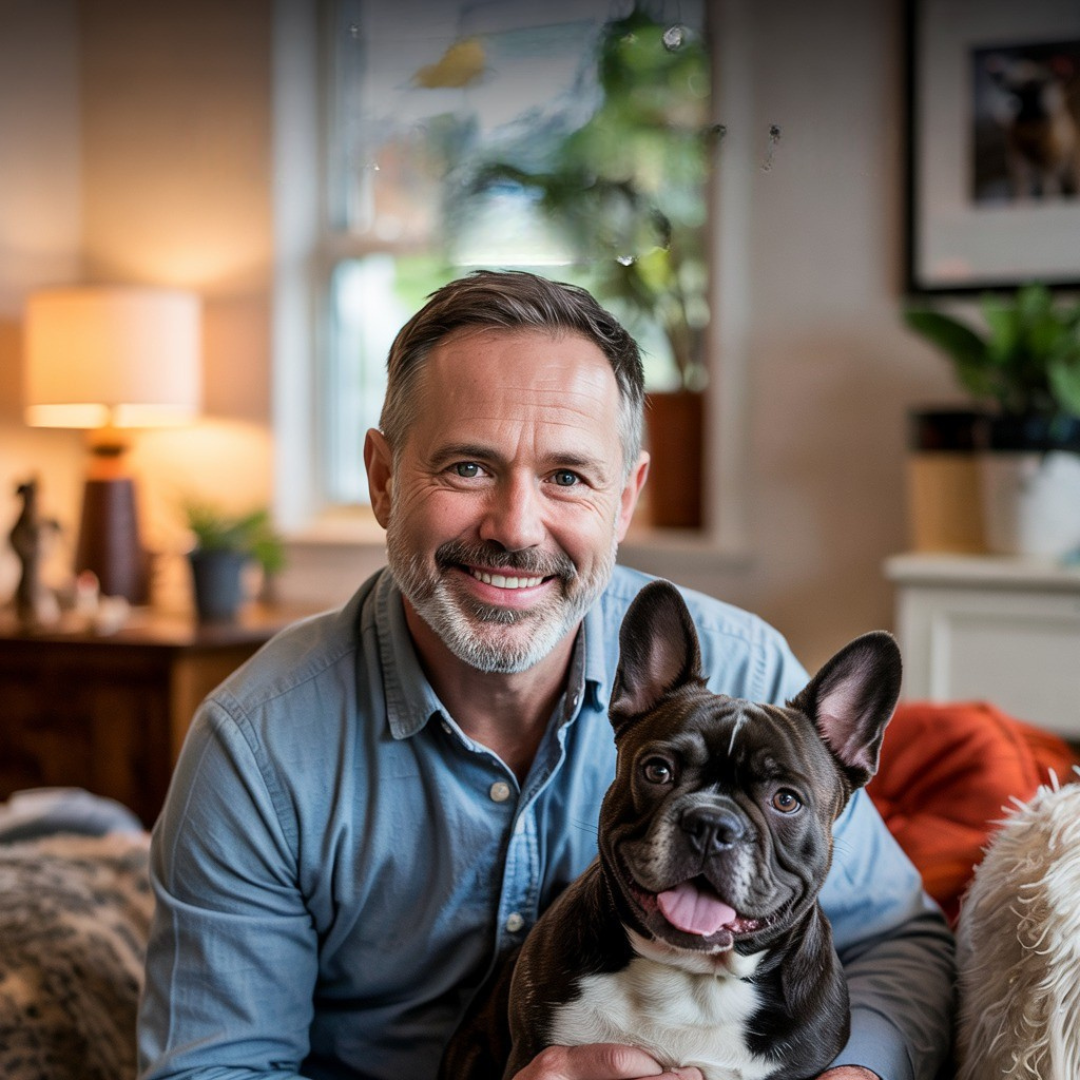
Dr. Alexandre Matheusu is a French Bulldog specialist with over 20 years of hands-on experience dedicated exclusively to the breed. Throughout his career, he has worked closely with responsible breeders, veterinarians, and kennel clubs, always respecting the traditional standards that shaped the French Bulldog into the companion dog it is today.
He holds a degree in Veterinary Medicine and a postgraduate certification in Canine Genetics and Breeding Management. Over the years, Dr. Moreau has focused on preserving breed health, correct morphology, and balanced temperament, following classical breeding principles passed down by experienced breeders.
Recognized for his deep knowledge and practical approach, he has advised kennels across Europe and the Americas, participated as a consultant in breeding programs, and contributed to educational materials aimed at protecting the future of the French Bulldog.
Humanize 274 words