
Understanding Facial Expressions of the French Bulldog and Their Meaning
French Bulldogs wear their feelings on their face, and once you learn the cues, you’ll read them like a favorite book. Pay attention to the eyes, ears, and wrinkles first. Their short muzzles make small changes stand out—soft eyes and a relaxed mouth usually mean happy and comfortable, while tense lips, whale eyes, or a furrowed brow can signal stress or pain.
Context matters. A wide-eyed stare at the door when you come home is often excitement; the same wide eyes at the vet could be fear. Watch how facial signs pair with body cues—tail, posture, breathing—to decide whether to step closer, give a treat, or back off and calm the scene.
Practice daily check-ins. Spend a minute each day watching your dog while they eat, play, or nap to build a baseline for their relaxed face. The phrase “Facial Expressions of the French Bulldog and Their Meaning” is a useful reminder: faces are your quick, honest guide to their mood.
What french bulldog facial expressions show you
A soft, squinty eye and an open mouth with a loose tongue usually show contentment—safe moments for pets or play. Perked ears and focused eyes mean curiosity or alertness—great for a short game or a walk.
Look for calming signals too: yawns, lip licks, and turning the head away mean your dog is trying to ease stress. If you spot those with tense lips or a tucked tail, slow down and give space, quiet, or a favorite toy until they relax.
Interpreting french bulldog facial cues simply
Start with three quick checks: eyes, ears, and mouth. Soft eyes loose mouth = relaxed. Wide eyes, pulled-back lips, or pinned ears = uncomfortable. Add breathing and posture to the picture before you act.
Sudden changes matter more than a single expression. If your normally cheerful dog suddenly looks tense or won’t eat, that face could point to pain. Trust your gut and contact your vet if signs persist.
Start here to read faces
Sit quietly for about 10 seconds and watch the eyes, ears, mouth, and breathing. Note whether each is soft or tense, then act: praise, play, or give space. This small habit will sharpen your skill fast.
Reading Your Frenchie’s Eyes
Eyes give a quick mood report—happy, tired, or alarmed. Learn to read changes in blink rate, pupil size, and how much eye white shows; these small shifts tell you if your dog is relaxed, nervous, or might need a vet visit.
Keep it gentle and patient. Sit with your Frenchie, talk softly, and notice patterns. The topic “Facial Expressions of the French Bulldog and Their Meaning” covers more than ears and mouth—your dog’s eyes are a major chapter.
How to spot frenchie eye whites meaning
When you see the eye whites—the sclera—it’s often a clue. A little white when your pup glances sideways can mean mild worry or focus. Lots of visible white, held for a time, often signals stress, fear, or avoidance.
If the white shows during play, your Frenchie might just be excited. If it happens with whining, a tucked tail, or avoiding touch, step back, calm the scene, and offer a safe choice. If the white appears with redness or discharge, call your vet.
Soft eyes versus whale eye differences
Soft eyes feel warm and relaxed—lids relaxed, steady pupils, no hard stare—paired with loose posture and gentle breathing: trust and comfort.
A whale eye is when the whites peek around the iris. It says your dog is uneasy or watching something they don’t like. If you notice whale eye, give space, lower noise, and remove the trigger when possible.
Eye signs to note
Watch for redness, discharge, rapid blinking, dilated pupils, and sustained eye white exposure; any of these paired with behavior changes—like hiding, snapping, or loss of appetite—warrants action and possibly a vet check.
Ear Positions and What They Tell You
Your Frenchie’s ears are like tiny billboards. A small tilt can mean curiosity, a flatten can whisper fear, and a steady forward stance can mean full focus. Pay attention to the whole body, but start with the ears—they give quick, clear clues about your dog’s state.
Erect ears usually mean interest or alertness. Sideways or relaxed ears point to calm and comfort. Pinned-back ears often signal worry or submission, but sometimes they mean pain—so check the rest of the body and the setting before you act.
Pair ear signals with eye shape, tail motion, and posture. Use guides like Facial Expressions of the French Bulldog and Their Meaning so you don’t miss small cues and can respond in a way that helps your dog feel safe.
Common french bulldog ear position cues
When ears point forward and the head lifts, your dog is usually curious or alert. If ears move one at a time, your Frenchie might be tracking a sound. Puppies often have floppy or uneven ears while they grow, so cues can change with age.
If ears sit to the side or droop slightly, your dog is often relaxed or content. But ears tight against the head, combined with a tucked tail or low posture, can show fear or submission. Context matters—the same ear pose can mean different things at the park versus at the vet.
Ears up alert versus ears back calm
Ears up and forward are your Frenchie’s way of saying, I’m onto something. Use a clear cue to calm them or give a job, like a sit or focus command, to channel that energy.
Ears back and soft usually mean your dog is comfortable or winding down. If ears are back with relaxed eyes and a loose body, keep petting. If ears are back with hard eyes, pause and give space.
Quick ear cues to watch
Watch for fast ear flicks (irritation), one ear up and one down (puzzlement), ears pinned flat (fear or pain), and steady forward ears (full alertness)—each small move is a clear signal you can read.
Mouth, Lips, and Breathing Signals
French Bulldogs talk with their mouths and lips. A loose, open mouth with soft lips usually means your dog is relaxed. Tight lips, pulled-back corners, or a tucked lower lip can mean stress or fear. Patterns matter—signals paired with others are more informative.
Breathing adds another layer. Short, rapid panting after play is normal. But frequent snorting, noisy breathing, or long pauses are red flags for this brachycephalic breed. Your Frenchie’s flat face makes them hard to cool down—when breathing looks labored, slow play and check for heat or airway trouble.
Hands-on checks help: lift the lip to see gum color, smell for bad breath (dental issues), and note drooling or sores. These physical signs affect mouth hold and show up in expressions—treat mouth signals as mood clues and health clues.
Key french bulldog mouth and lip signals
A relaxed Frenchie often keeps their mouth slightly open with a soft tongue showing—that’s a clear happy sign. A closed but soft mouth means calm contentment. Tiny twitches at the corners are quick reads on mood. A wrinkled nose and raised lip usually mean irritation or a warning.
A slow, deliberate baring of teeth isn’t always aggression—sometimes a guarded hello. But a snarling face, wrinkled muzzle, and hard stare mean give space. Sudden changes—like a playful grin turning rigid—signal discomfort.
Panting, lip licking, and calmness
Panting cools dogs, but for your Frenchie it’s a strong clue. Light panting after exercise is fine. Loud, heavy, or continuous panting at rest can mean overheating, pain, or anxiety. Act fast when panting looks extreme: move them to shade, offer water, and calm the scene.
Lip licking can be a polite I’m worried sign or just tasting something. If your dog licks their lips when you reach down or meet a stranger, they’re often trying to calm the situation. Paired with yawning, turned head, or avoiding eye contact, lip licking is classic appeasement.
Mouth signs to check
Check gum color (pink is good; pale or blue is bad), look for swollen or bleeding gums, note excessive drooling or bad breath, and listen for wheezy breathing. Also check for cuts, sore spots, broken teeth, and sudden changes in eating—these tell you if the issue is emotional or medical.
Eyebrow Movements and Attention
Your Frenchie’s eyebrows are tiny signposts. A raised brow often points to attention—a little flag saying, Hey, look here. Watch how the brows lift when you jingle keys or rustle a treat bag; that lift is a sharp, clear signal of interest.
Brows move with context. A slow, relaxed lift with soft eyes means curiosity. A quick, high lift with tight lips and pinned ears can mean worry. If the brow pops up the moment you speak a certain word, that’s your cue the sound means something to them—use that for training.
Use those cues. When your Frenchie raises brows and stares, stop scrolling and meet their gaze. When they raise brows but pace and lick, back off and check the scene. Over time you’ll read those moves as easily as a friend’s face.
How french bulldog eyebrow movements show focus
When your Frenchie locks on, their brows often lift and their head freezes: a steady stare, slight brow elevation, and a still body—clear signs of focus. Use that moment in training: say their name, watch for the brow lift, then mark and reward.
Raised brows for interest versus worry
A gentle brow raise with relaxed eyes and a wag is usually interest—friendly and open. A sharp, high brow with wide eyes, tucked tail, or lip licking is likely worry—don’t force interaction; move slowly, speak softly, and remove the trigger if possible.
Eyebrow clues to note
A single brow lift often means curiosity; both brows raised can mean surprise or alarm; a furrowed brow shows confusion or concern; quick blinking can be a calming signal. Combine eyebrow clues with body cues to read the full message.
Snout Wrinkling and Scenting Behavior
Snout wrinkles are more than a cute quirk—they help trap scent particles, giving your dog extra information with every sniff. When your dog pauses at a lamp post or curb, those wrinkles often deepen as they focus.
Wrinkles pair with other signals. If the nose is to the ground, tail wagging, and body relaxed, the wrinkles mean curiosity and pleasure. If wrinkles appear with a stiff body, fixed stare, or tucked tail, they lean toward stress or uncertainty.
Over time you’ll notice patterns—your Frenchie takes notes with those creases. Use that clue when planning walks, training, or deciding whether to introduce a new person or dog.
What french bulldog snout wrinkling meaning can be
Snout wrinkling can signal interest—short, quick breaths and a soft, focused gaze mean your dog is collecting details. It can also show stress or discomfort—tight lips, pinned-back ears, and a hard stare paired with heavy panting or avoidance suggest anxiety. Give space and remove triggers slowly.
Wrinkles when sniffing or when tense
When sniffing, the body is usually loose and the tail may wag slowly—let them explore a bit. When wrinkles come with tension—frozen stance, low growl, or sudden avoidance—that combination says stop. Step back, speak softly, and remove the stressor.
Snout wrinkles to watch
Watch the bridge wrinkle by the nose, the brow crease above the eyes, and the nose fold near the jowls; shifts often mark mood or health changes. Redness, bad smell, or constant rubbing could signal a skin issue needing a vet.
Signs of Stress in Your Frenchie Face
Stress shows up first in the face—tight lips, ears pinned back, and a more wrinkled forehead are clear stress signals. The phrase “Facial Expressions of the French Bulldog and Their Meaning” reminds you: your dog’s face is a quick road map to what they feel.
When you know your Frenchie’s usual calm look, changes jump out fast. A normally bright face can go stiff or guarded in seconds from a loud noise, a stranger, or too much handling. Whale eye, sudden wide eyes, or a mouth held closed can mean your dog needs help.
Keep a mental checklist: eyes, ears, mouth, forehead. Those features give early warnings so you can act before things escalate.
Common french bulldog stress facial signs
Look for lip licking, repeated yawning, or a sudden head tilt that feels tense. These gestures are polite ways of saying, I’m uneasy. Some Frenchies also show a tight mouth or slight baring of teeth when stressed—not always aggression, but a warning to step back.
How eyes and mouth change with stress
Eyes may show whites (whale eye) or dilated pupils; squinting or extra blinking can mean avoidance. The mouth may be closed and tight, or panting when it’s not hot. Frequent lip licking or quick pull-backs of the lips are small flags calling for a break.
Stress cues you can act on
If you spot these signs: calmly remove your dog from the trigger, give space, speak in a soft voice, and offer a quiet spot or water. A short walk or a familiar toy helps, but don’t force interaction—let your Frenchie choose to relax.
Happy and Content Facial Indicators
Soft eyes, a relaxed mouth, and loose facial muscles are the biggest clues your dog is calm and pleased. When you spot these signs, you know your dog feels safe and connected.
Look for ears that aren’t pinned back, a smooth forehead, and corners of the mouth without tightness. These hints are part of the larger topic—Facial Expressions of the French Bulldog and Their Meaning—and will tell you if your pup is cozy or worried.
Responding matters. When you see warm, relaxed features, offer calm praise, a soft pat, or a little play. Those moments build trust and bring more of that happy face.
Top french bulldog happy expression indicators
Start with the eyes: soft, half-closed eyes and no visible whites mean comfort. Add a loose, open mouth and you’ve got a clear sign of contentment. Relaxed wrinkles and a smooth brow reinforce the message.
Relaxed mouth, soft eyes, and play face
A relaxed mouth looks like a gentle smile—lips loose, maybe a tongue peeking out, no tightness. The play face is different: wide mouth, bright eyes, and a spark of excitement—an invite to fun. If your Frenchie gives that look when you bend down or jingle a toy, play—it’s bonding gold.
Happy signs to encourage
Encourage those faces with short play sessions, gentle petting in preferred spots, predictable routines, and praise when your dog looks relaxed; that positive loop brings more calm, smiling faces.
Submissive and Friendly Facial Gestures
A soft mouth, slow blinking, and relaxed ears are signs your Frenchie feels safe and friendly. The phrase Facial Expressions of the French Bulldog and Their Meaning fits here—small changes tell you whether your dog is asking for play, comfort, or calm.
When your Frenchie presses their forehead to your hand or leans in with a gentle squint, that’s trust. Relaxed muscles, a loose jaw, and a quiet gaze mean they’re content and submissive in the best way.
Sometimes friendliness and submission look similar: a low, slow wag, a head tilt, or a brief mouth lick are friendly bows—not demands. Watch often and respond kindly: soft voice, a scratch, or a calm pause builds your bond.
Recognizing french bulldog submissive facial gestures
Start with the eyes. A quick sideways glance or slow blink often shows submission or trust. Look at the mouth and ears next: a closed, relaxed mouth and softly held ears mean they’re backing down or staying friendly.
Avoiding eye contact and lowered head signals
When your dog avoids looking at you, they may be shy or deferring. Averted eyes with a lowered head usually say, “I don’t want trouble.” Don’t force a stare—give space and a calm tone so they can relax on their terms.
Lowering the head can be a peace offering after a scolding or a scary noise. Treat these signs like a quiet request for kindness—gentle approach and patient words help them lift their head with confidence.
Submissive cues to respect
Respecting submissive cues means stop, soften your voice, and avoid looming over your dog. If they show slow blinking, a tucked but relaxed posture, or gentle lip licking, back off a bit and reward calm behavior with praise or a quiet treat.
Practical Tips: Use Facial Expressions of the French Bulldog and Their Meaning
- Make brief daily observations (10–30 seconds) focused on eyes, ears, mouth, and breathing to build your dog’s baseline.
- Train using natural cues: call their name, watch for brow lifts or focused eyes, mark and reward.
- In social situations, watch for calming signals (lip lick, yawn, head turn) and act early—give space or remove triggers.
- For health checks, note breathing patterns, gum color, eye discharge, and persistent changes in facial posture; consult your vet when in doubt.
Summary: Read the Face, Help the Dog
Your Frenchie’s face is a fast, honest guide. Knowing the “Facial Expressions of the French Bulldog and Their Meaning” helps you respond with the right mix of comfort, space, training, or veterinary care. Learn the common cues, practice short daily checks, and you’ll catch feelings before your pup acts on them—keeping them safer, calmer, and more connected to you.
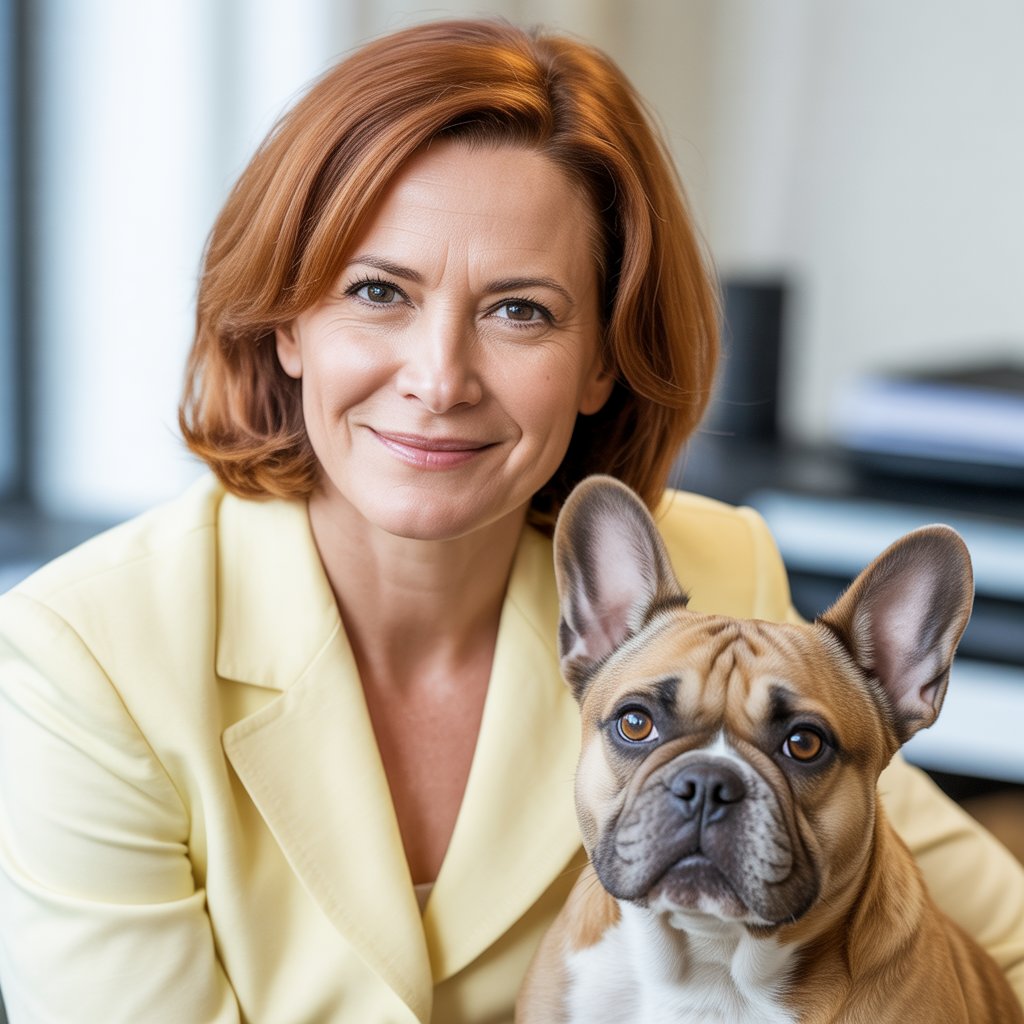
Dr. Isabella Laurent is a French Bulldog specialist with more than 17 years of dedicated experience working exclusively with the breed. Her career has been built on traditional canine knowledge, practical observation, and a deep respect for the historical standards that define the true French Bulldog.
She holds a degree in Veterinary Medicine and advanced training in Canine Reproduction and Breed Health Management. Over the years, Dr. Laurent has focused her work on responsible breeding, genetic balance, and long-term well-being, prioritizing structure, temperament, and overall vitality as they were valued by classic breeders.
As an author and consultant, she shares her expertise through educational content, breeding guidance, and professional collaborations with kennels and veterinarians. Her work is widely respected for combining scientific knowledge with time-tested breeding principles, helping preserve the integrity of the French Bulldog for future generations.