
Genetic influence on temperament
Genes give your French Bulldog a starting point for behavior — the first brush strokes on a canvas. They set tendencies: some dogs are naturally bold, others more nervous, and those patterns often show up early in how a puppy greets you or reacts to a new sound. But genes are a guide, not a script. Environment, training, social time, and stress paint the rest of the picture. A shy pup can grow confident with steady kindness; a bold pup can calm with clear rules.
Health issues tied to genetics also change behavior. Pain, breathing trouble, or low energy will make a dog act differently than genes alone predict, so watch both lineage and everyday care.
How genes shape your French Bulldog
Certain inherited traits show up as clear habits: some Frenchies love to cuddle and follow you, others are stubborn with training. Breeders pass on more than looks — they pass on early temperament traits, so puppies from lines selected for calm, people-friendly dogs are more likely to be like that, while lines emphasizing working or show traits may produce different drives.
Genetic influence on dog temperament facts
Studies show breed and family account for a sizable share of behavior differences. Traits like aggression, fear, and trainability have measurable heritability, but genes aren’t everything. Puppy tests give hints but not guarantees; early handling and life events steer outcomes strongly, and health genes shape mood indirectly by affecting comfort and energy.
Why Breed selection and its direct impact on personality matters
Breed selection and its direct impact on personality matters because the lines a breeder chooses shape tendencies you’ll live with. Pick breeders who value the temperament you want, ask about parents, watch pups with visitors, and choose a pup whose start fits your life and energy level.
Breed-specific behavioral traits
French Bulldogs wear their feelings on their faces. They crave company and will follow you like a shadow — lap-warmers and desk companions. That clingy streak means planning for a dog that prefers people over long solo stretches. They use sound and body language more than barking: expect snorts, grunts, snuffles and the occasional dramatic sigh.
Low-to-moderate energy suits short play sessions and long naps; heat and heavy exertion are real dangers, so trade marathon walks for short, safe outings. You’ll also see a stubborn streak paired with a curious mind — training works best in short, fun bursts with tasty rewards. Left alone too much, some Frenchies show separation worry or nuisance behaviors, so read cues (eye contact, pawing, sudden quiet) and respond early.
Common French Bulldog temperament and personality
A Frenchie is often part clown, part couch potato: goofy faces, dramatic snoring, deep bonds with a favorite person. Personality varies, but many are gentle with kids and calm with other pets if socialized early. Some are stubborn or possessive; meeting different dogs and asking about upbringing helps match a pup’s vibe to your lifestyle.
How these traits affect your home life
Living with a Frenchie means small adjustments: more cuddle time, short walks, and home temperature control. Their small size and quiet nature suit apartments, but snoring and snorts may surprise guests. Daily routines should include mental play, short training sessions, and ways to stay cool. If you work long hours, plan social time or daycare to prevent behavior problems.
How Breed selection and its direct impact on personality shows in traits
Breed selection and its direct impact on personality shows when you meet puppies and their parents: calm companion lines differ from outgoing, clownish lines. Ask breeders about parent temperaments, watch pups with visitors, and choose a line that fits your pace and patience.
Breeding lines and behavioral consistency
Breeding lines are family threads running through generations. When breeders focus on certain traits, those traits tend to repeat, so a line known for calm, people-friendly dogs is likelier to produce calm pups than a random litter. Think of lines like a recipe: ingredients such as playfulness, stubbornness, or couch-lover energy come from parents and grandparents. Lines don’t write the whole story, but they write a big first chapter; starting with the right line makes the rest of the work feel more like a plan.
How lines can make behavior more predictable for you
Picking a line with a clear history reduces surprises. A low-reactivity line will be easier to take to cafes and parks. Use line info to plan training and gear: a high-energy line needs more play and puzzles; a stubborn line needs short, consistent sessions. That way you’re following a map that came with the pup.
Questions to ask breeders about line history
Ask about parents and grandparents: temperaments, how they handle strangers, and whether they live in busy or quiet homes. Request stories about siblings and previous litters — concrete examples tell more than labels. Probe for habits like separation anxiety, strong prey drive, or guarding toys, and ask how pups were socialized and what training the breeder does. Hesitation or vague answers are red flags.
Selecting for temperament in French Bulldogs and Breed selection and its direct impact on personality
Selecting for temperament means choosing lines bred for the traits you want, and Breed selection and its direct impact on personality is real: calm lines stay calm, high-drive lines stay busy. Meet the parents, observe them in real life, and pick the line that matches your routine and patience.
Early socialization and trainability
Start early and be consistent. French Bulldogs learn fast in the first three months; introducing new people, places, and sounds during that window sets the tone for a confident adult. Short, fun sessions win — a five-minute friendly greeting beats a long, stressed encounter. Social skills and training go hand in hand: pups that meet dogs and people learn bite inhibition, play manners, and how to read body language, which makes obedience easier later.
Don’t forget handling basics: grooming, nail trims, ear checks, and crate comfort. Make new touches a game with treats and praise so vet visits become simple. Puppy classes that use reward-based methods are invaluable: they teach polite play and timing, and give you a trainer to correct early mistakes.
Start social skills with your puppy early
Take baby steps: invite calm friends, carry your pup through a busy street occasionally, and let them sniff new surfaces. Keep encounters short and positive; if they look scared, back off and give a treat. Puppy classes are gold for learning cues and speeding up home training.
French Bulldog trainability factors you should know
Frenchies can be stubborn but are deeply affectionate. Use food, toys, and affection as rewards; short sessions (5–10 minutes) match their attention span. Health affects training: brachycephalic faces mean faster fatigue and overheating, so train in cool times and watch breathing. Respect limits and your dog will stay happy and ready to learn.
Breed selection and its direct impact on personality for training
Breed selection and its direct impact on personality matters for training: puppies from calm, social parents are usually smoother learners, while lines bred for show or extreme traits can bring stubborn or anxious tendencies. Ask about parents’ temperaments, meet them if possible, and consider rescues where adult behavior is clearer — your choice now shapes the dog you’ll train for years.
Predicting French Bulldog personality
You can get a good read by watching early behavior. Puppies show hints in play, sleep, and reactions to new things. Look for steady patterns: a pup that seeks people, stays calm around noise, and returns to you often will likely grow into a people-focused dog. Temperament comes from both genes and early life; breeders who socialized pups, handled them, and introduced varied toys tend to raise more confident adults.
Make notes while you watch: how a pup reacts to a sudden sound, a new person, or another dog. Those notes help you compare pups and remember details when meeting several.
Watch puppy play to read future behavior
Play is puppy language. Gentle mouthing, toy sharing, and returning to you for safety show good social skills. Rough, win-every-fight play can indicate a bold, dominant streak. Watch how pups handle frustration — do they persist or walk away? These scenes reveal patience, boldness, and training difficulty.
Simple tests that help you predict temperament
Use short, calm checks: a soft startle to see recovery, a food-exchange test to measure stress response, and a brief restraint to gauge handling tolerance. Treat tests as snapshots, not verdicts; repeat them in different rooms and with different people. Combine results with breeder notes and parents’ behavior for a clearer picture.
Breed selection and its direct impact on personality predicts behavior
Breed selection and its direct impact on personality predicts behavior because lines chosen for calm, energy, or show traits tend to pass those tendencies on. Picking a line that fits your life reduces mismatches, and remembering health issues like breathing problems can explain low play drive or apparent laziness.
Owner expectations and breed temperament
Expect a Frenchie to be friendly, stubborn, and full of charm. They bond easily and can be picky about training, so short, fun sessions work best. Frenchies are low-energy for walks but high on social needs; a short walk and outdoor play keep them happy. They struggle with heavy exercise and heat due to short noses, so living in a hot climate means careful timing and air conditioning.
Health ties into temperament: breathing problems, skin folds, or joint pain can make a dog grumpy or withdrawn. Expect vet visits and a budget for care. If you want a running partner or a guard dog, look elsewhere; for a lounging, entertaining companion, a Frenchie is a great match.
Match your lifestyle to French Bulldog needs
Ask how much alone time you have. Frenchies love company and can develop separation anxiety if left long hours; plan for dog walkers, sitters, or daycare if you work away. They suit apartments but require temperature control and basic safety checks. Think grooming tools, a comfy bed, and a routine to keep your dog bright and playful.
How you can manage common behavior issues
Stubbornness and selective hearing are normal — use short, fun training with high-value treats and steady rules. Separation anxiety and nuisance behaviors can fade with desensitization: start with a few minutes alone and build up, and provide puzzle toys and safe chews. For serious issues, a trainer or behaviorist helps fast. Early socialization prevents many problems before they start.
Breed selection and its direct impact on personality and owner fit
Breed selection and its direct impact on personality is real: show lines and pet lines can differ in energy, boldness, and health risk. When picking a puppy, ask about parents’ temperaments and watch puppies’ reactions to new sights. A calmer line fits a quiet home; a bold line fits an active family. Your choice shapes daily life.
Takeaway: Breed selection and its direct impact on personality
Breed selection and its direct impact on personality matters at every step — from genes to lines, from early socialization to daily care. Start by asking breeders about temperament and health, observe pups and parents, note reactions, and match a line to your lifestyle. With the right selection plus consistent training and socialization, you’ll shape a French Bulldog whose personality fits your home and brings years of companionship.
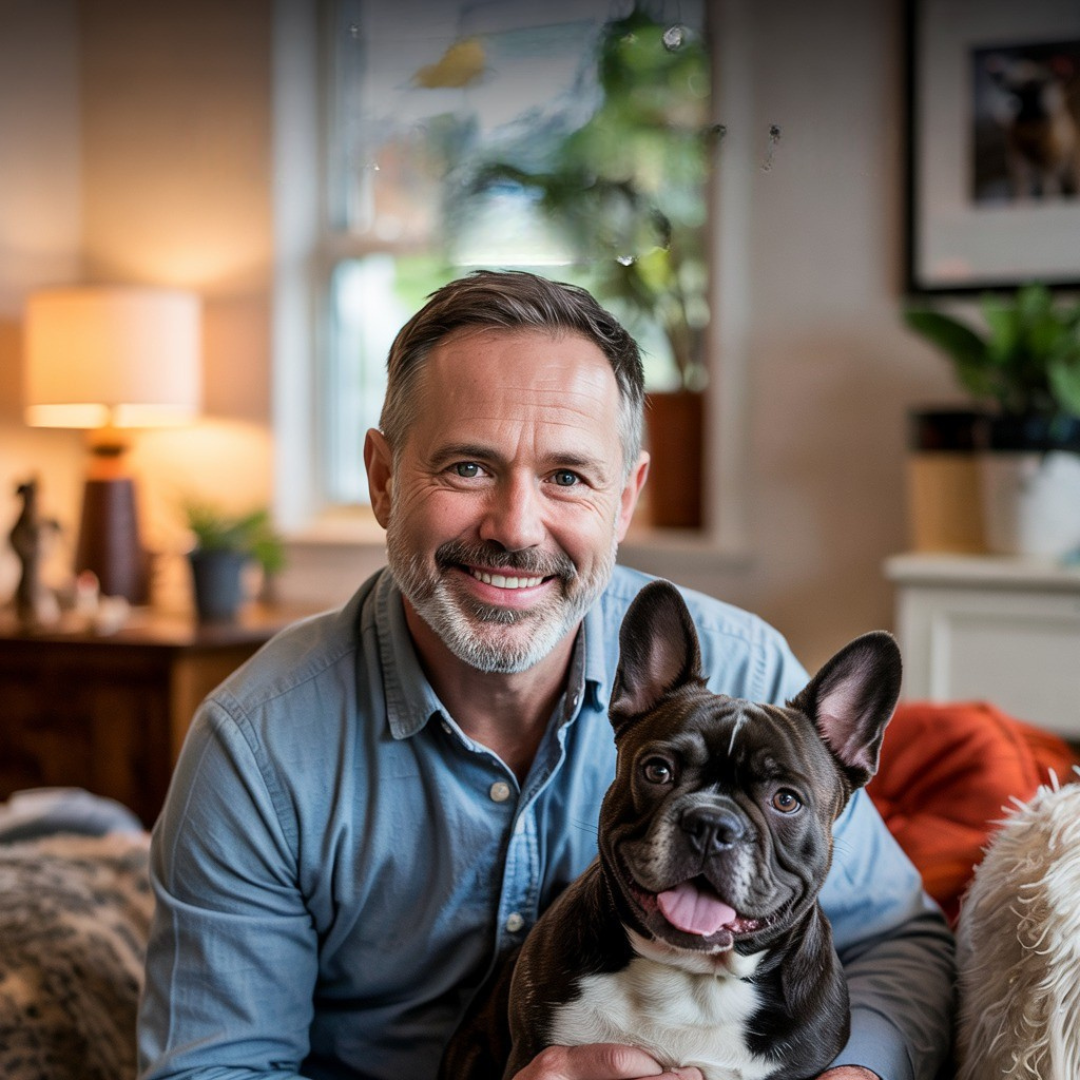
Dr. Alexandre Matheusu is a French Bulldog specialist with over 20 years of hands-on experience dedicated exclusively to the breed. Throughout his career, he has worked closely with responsible breeders, veterinarians, and kennel clubs, always respecting the traditional standards that shaped the French Bulldog into the companion dog it is today.
He holds a degree in Veterinary Medicine and a postgraduate certification in Canine Genetics and Breeding Management. Over the years, Dr. Moreau has focused on preserving breed health, correct morphology, and balanced temperament, following classical breeding principles passed down by experienced breeders.
Recognized for his deep knowledge and practical approach, he has advised kennels across Europe and the Americas, participated as a consultant in breeding programs, and contributed to educational materials aimed at protecting the future of the French Bulldog.
Humanize 274 words