
Build trust with your Frenchie
Trust with your Frenchie grows like a slow bonfire. Start small and steady. Use soft eye contact, a calm voice, and predictable actions so your dog learns you won’t surprise them. The Emotional relationship between owner and French Bulldog is built on tiny, repeatable moments — a gentle hand on the shoulder, quiet praise after a good sit, or returning home with calm energy instead of a wild welcome.
Watch body language like a detective. Ears, tail, breathing, and the way your Frenchie leans into you tell the story. If your dog backs away, pause and give space. If they press in, they’re asking for closeness. Match your responses: step closer when invited, step back when they need room. That give-and-take makes your Frenchie feel safe and makes you predictable — which they love.
Make trust part of daily life, not a weekend project. Short training bursts, a consistent bedtime, and gentle handling during grooming all stack up. Reward calm behavior with treats, play, or a scratch behind the ear. Over weeks, those small choices turn into a steady bond: your Frenchie will check in more, sleep closer, and trust you in new places.
Trust-building exercises for dogs
Play the name game: say your Frenchie’s name, wait one beat, then reward when they look. Do this five times a day for a week and you’ll have their attention on tap. Keep treats tiny and praise loud — name means you’re worth watching. This helps in noisy places when you need them back fast.
Try touch and target work next. Teach your dog to touch your hand or a target stick with their nose. Start right by their nose and reward instantly. Move the target slowly so your Frenchie learns to follow you calmly. These games teach focus, reduce anxiety, and make vet visits and grooming easier.
Gentle routine for calm confidence
Stick to a simple daily rhythm: meals, a short walk, play, rest, and a brief training session. Frenchies love predictability, so consistent windows for walks and naps help them relax. Use quiet cues before a walk — a leash jiggle or a soft word — so they know what’s coming and don’t get overstimulated.
Bring calm energy into the room. Breathe, move with intention, and praise calm behavior. A calm owner signals safety; over time your Frenchie will learn that quiet equals good things: pats, treats, and lap time.
Small wins build trust
Celebrate tiny victories: a paw lifted, a sit held for three seconds, a relaxed car ride. Stack these wins like bricks. Keep goals small, clear, and kind — you’re building a bridge, not running a race.
Reading French Bulldog body language
French Bulldogs speak with their bodies. Tune in: watch ears, eyes, tail, breath, and posture. A soft face, relaxed jaw, and gentle wag mean comfort. A stiff stance, raised hackles, or a fixed stare signals something else. Read those bits like traffic lights.
Context gives you the map. A yawn after play usually means tiredness; a yawn at a busy dog park can mean stress. Lip licking and head turns can be tiny flags that say, I’m uneasy. Note when these signs show up — patterns tell the real story.
Make a habit of checking in during walks, vet visits, and at home. Jot a quick note on your phone when a behavior repeats. Over time you’ll see how small changes match big feelings, which makes handling and play much calmer.
Spot common calming signals
Calming signals are subtle moves your Frenchie uses to say, I need calm. Look for slow blinking, lip licking, turning the head away, sniffing the ground, or a deliberate scratch. When you see one, lower your energy: speak softly, step back if needed, and offer a break or a quiet toy. Respond gently and you build trust.
Owner–dog emotional connection signs
The Emotional relationship between owner and French Bulldog shows up in small, daily ways. Your dog following you room to room, leaning into you on the couch, or nudging your hand with a toy are clear markers. These actions say, I want you here.
Deeper signs include shared routines and mirrored moods. If your Frenchie curls up against you when you read or greets you at the door like a fan at a concert, that’s intimacy. Reward those moments with quiet attention, short play, and consistent care to keep the bond strong.
Use cues to connect
If your Frenchie yawns or turns away, give space; if they lean or nudge, return the touch. Match their calm with a soft voice and slow pats. Short, regular check-ins—like a five-minute cuddle after a walk—do more than one big effort.
Daily routines to increase dog happiness
You give your Frenchie a steady schedule and they return the favor with calm, silly joy. Start each day with a wake-up cuddle, breakfast, a quick walk, and a little play. Predictability cuts stress and helps your dog know what’s coming, so anxiety fades and you get a buddy who’s relaxed at home and excited for the fun stuff.
Routines also make training easier and deepen your bond. When you feed, walk, and play at regular times, your Frenchie learns your cues faster and reads your mood more accurately. Tiny rituals — a five-minute brush before bedtime, a calm hello when you walk in, or a consistent spot for naps — are the glue that strengthens the Emotional relationship between owner and French Bulldog.
Consistent mealtimes and walks
Feed at roughly the same times each day; aim for two meals for adults with portions matched to activity and weight. Regular meals help digestion and reduce begging. Short, steady walks — 15–30 minutes depending on age and breathing — give exercise without overdoing it. Mix in sniff time so your dog can use their nose; that mental work tires them out in a good way.
Quiet time and sleep needs
French Bulldogs love naps. Plan multiple quiet periods through the day and a cool, comfy bed at night. A consistent bedtime routine — dim lights, a brief cuddle, a final potty break — tells your dog it’s time to wind down. Brachycephalic breeds can struggle in heat, so keep their sleep area cool and ventilated.
Daily habits boost joy
Little habits add up fast: a quick training session after breakfast, a gentle massage before bed, consistent praise for good behavior, and regular grooming. These moments teach manners, build trust, and keep your Frenchie mentally bright and emotionally connected.
Mindful play to strengthen bond
Play is where your relationship with your Frenchie grows. Think of play as a short conversation. When you tune in to your dog’s body language and voice, the Emotional relationship between owner and French Bulldog deepens fast. You learn what energizes them and what calms them, and they learn to trust your lead.
Start small and watch closely. A wagging tail, soft eyes, or a quick pant tell you if your Frenchie is having fun. If ears go back or panting gets heavy, pause. Mindful play makes recalls sharper, vet visits easier, and hugs more welcome. After a short, calm game, try a quiet petting session — that combo cements trust like glue.
Short, focused play sessions
French Bulldogs love bursts of fun but can tire quickly. Keep sessions to 3–7 minutes to keep your dog sharp and engaged without overdoing it. Pick one or two simple activities per session and end with a calm cue — gentle praise, a treat, or a quiet cuddle — so playtime finishes peacefully.
Games that calm and connect
Choose games that lower excitement: slow fetch with a sit-and-reward, or a gentle scent game where they nose out hidden kibble. Speak softly, move slowly, and keep rewards small. When play feels like a two-person dance, your Frenchie will mirror your calm.
Play with purpose
Every play session should have a goal: boost confidence, teach a cue, or practice settling. Use toys and treats that support that aim. Purposeful play turns fun into real progress.
Positive reinforcement for French Bulldog
Positive reinforcement is the fastest way to get your Frenchie to listen — and to make training fun. Use small wins: reward calm behavior, quick sits, and attempts to follow a cue. Training shapes the Emotional relationship between owner and French Bulldog because it’s built on trust, not fear. Keep sessions short, playful, and predictable so your dog feels safe trying new things.
French Bulldogs love food and attention. Mix treats with praise and play to keep lessons interesting. Use lots of repetition in tiny bites — ten 30-second wins beats one long mishap. Consistency is your secret weapon: use the same cues, the same timing, and the same rewards so your Frenchie doesn’t get confused.
Reward timing and treats
Timing is everything. Give the treat within one to two seconds of the correct action so your dog links the reward to the behavior. Pick treats that are soft, smelly, and tiny — chicken, cheese, or freeze-dried liver usually win. Use higher-value treats for new tasks and lower-value ones for maintenance; watch portions to avoid weight gain.
Praise, touch, and gentle training
Your tone matters. Use an upbeat voice for praise and a calm, low voice for redirection. A gentle touch — an ear rub or chest pat — can mean more than a treat when your dog is full or anxious. Avoid punishment; stern words or force will shut a Frenchie down. Instead, redirect and reward the correct choice immediately.
Reward to build trust
Use food and affection to create predictable rituals: a morning handshake, a quiet sit before meals, or a calm hello when you come home. Hand-feeding treats during training or walks strengthens your bond and makes your dog feel secure in following you.
Meeting emotional needs of French Bulldog
Your Frenchie reads you like a book. That bond — the Emotional relationship between owner and French Bulldog — is built in small moments: greets at the door, leaning into your knee, or snoring beside you on the couch. Pay attention to those moments — they tell you what makes your dog feel safe and loved.
Give your Frenchie predictable routine and plenty of gentle attention. Short walks, puzzle toys, and a few minutes of focused play each day keep their mind sharp and mood steady. Physical touch matters too — a scratch behind the ears or a calm lap cuddle can change a bad day into a good one.
Set clear but kind boundaries so your dog knows what to expect. Patience and small, steady steps win here more than big gestures.
Social time vs alone time
French Bulldogs love people and usually want to be nearby. Let your dog meet neighbors, play gently with calm dogs, and enjoy short outings where new smells spark curiosity. But your pup also needs downtime: a comfy bed, a chew toy, or a safe crate spot. Start with brief absences and build up slowly so they don’t panic. Balancing social fun with alone time keeps your dog calm and well-behaved.
Signs your Frenchie needs help
Watch for behavior changes: pacing, whining, chewing furniture, or sudden clinginess are red flags. Mood shifts like hiding, appetite changes, altered sleep, or bathroom issues should prompt action. If symptoms last more than a day or two, call your vet; for behavior problems, consult a trainer or behaviorist.
Support their feelings
When your dog acts upset, validate them with a calm voice and predictable care. Offer familiar items like a blanket or favorite toy, use gentle desensitization for fears, reward calm behavior, and get professional help for persistent anxiety or aggression.
Affectionate behaviors in Frenchies
Frenchies wear their hearts on their faces: slow blinks, tilted heads, and happy snorts. Those small acts are big feelings in a compact package — how your dog says, I like you, without words.
They love close contact. A Frenchie may lean against your leg or flop on your lap and go instantly limp. That closeness isn’t just comfort — it’s trust. When your dog picks you as their favorite spot, they’re choosing you again and again.
Listen with your eyes and hands. Soft eye contact, relaxed ears, and a wag that starts at the base of the tail are gold. Little rituals — greeting you at the door, bringing a toy, or sleeping at your feet — are the daily glue of your life together.
Common signs of love and trust
The Emotional relationship between owner and French Bulldog shows up in tiny acts. Following you room to room is attachment. Sleeping on your feet says they feel safe. Belly-ups and relaxed yawns are vulnerability — signs they trust you with their most vulnerable spot.
How to return affection safely
Match their vibe and respect signals. If your Frenchie leans in, stroke their chest or behind the ears; if they tuck away, give space. Keep touch calm and steady, avoid rough play that strains their short noses, and watch for overheating during long cuddles.
Mirror their affection
Copy their calm energy: soft voice, slow movements, and gentle pats. If they offer a paw, return it with a tiny treat or a quiet good. Mirroring builds trust fast because it feels familiar to them.
Easy French Bulldog bonding tips
Small choices matter. Start with morning moments: a five-minute cuddle, a slow hello, and a calm treat when you both are relaxed. Those tiny habits add up like coins in a jar and teach your Frenchie you are a safe place.
Play is part of the glue. Pick games your Frenchie can handle — short fetch, tug with a soft toy, puzzle feeders — and stop before they overheat. Keep sessions brief and joyful so your dog looks forward to you like sunshine.
Short habits that help daily
Do five minutes of focused eye contact before meals and quick grooming after walks. Use consistent cues and places: the same voice, the same spot to sit, the same bedtime blanket. Predictability cuts confusion and makes your Frenchie feel secure.
Routines that reduce stress
Feed, walk, play, and rest at similar times so your Frenchie learns the pattern. Add a quiet corner with a favorite blanket or soft music for loud days. When storms or visitors come, move to that spot, lower your voice, and offer a snuggle — your calm is contagious.
Simple steps to bond
Greet gently, give a short training game, offer a chew or puzzle, and finish with calm petting or a massage; repeat daily. Keep each step short and positive so your Frenchie wants more.
Deepening bond with your Frenchie
Spend short, regular time each day just being together — couch cuddles, slow walks, and gentle grooming. Those small moments add up like drops in a jar; before you know it, trust fills the space between you.
Match play to their body and mood: quiet tug, short training games, or a minute of chasing a soft toy. When you match energy, they read your mood and follow your lead without stress. Voice, touch, and routine speak louder than fancy gear: a calm tone, gentle pats, and steady timing for meals and walks teach your Frenchie what you mean.
Emotional relationship between owner and French Bulldog
You’ll notice tiny habits that mean big things: a nudge with the nose, a sigh, or stubborn snuggle sessions. Those cues are how your dog says, I trust you. Reply with attention, not just treats — sit with them, look in their eyes, and say their name softly.
The bond grows when you read and respond to feelings. If they hide, check why. If they bring a toy, join the fun. That back-and-forth is the core of the Emotional relationship between owner and French Bulldog and makes life sweeter for both of you.
Track growth with simple signs
Watch appetite, energy, sleep, potty control, calm greetings, and cue learning to judge progress. Keep a simple weekly note on weight and meals. Small records let you spot trends early so you can adjust food, walks, or vet visits before problems grow.
Keep consistency to grow
Short, regular routines make learning stick. Feed at consistent times, use one word per cue, and reward quickly. Ten minutes of focused training a day beats hour-long sessions once a week. Consistency builds trust, and trust deepens your bond.
Conclusion: nurture the Emotional relationship between owner and French Bulldog
The Emotional relationship between owner and French Bulldog is made of small, steady choices: calm energy, predictable routines, short focused play, and attentive reading of body language. Keep rituals short, kind, and consistent — those tiny investments return as confidence, loyalty, and a joyful companion who truly picks you every day.
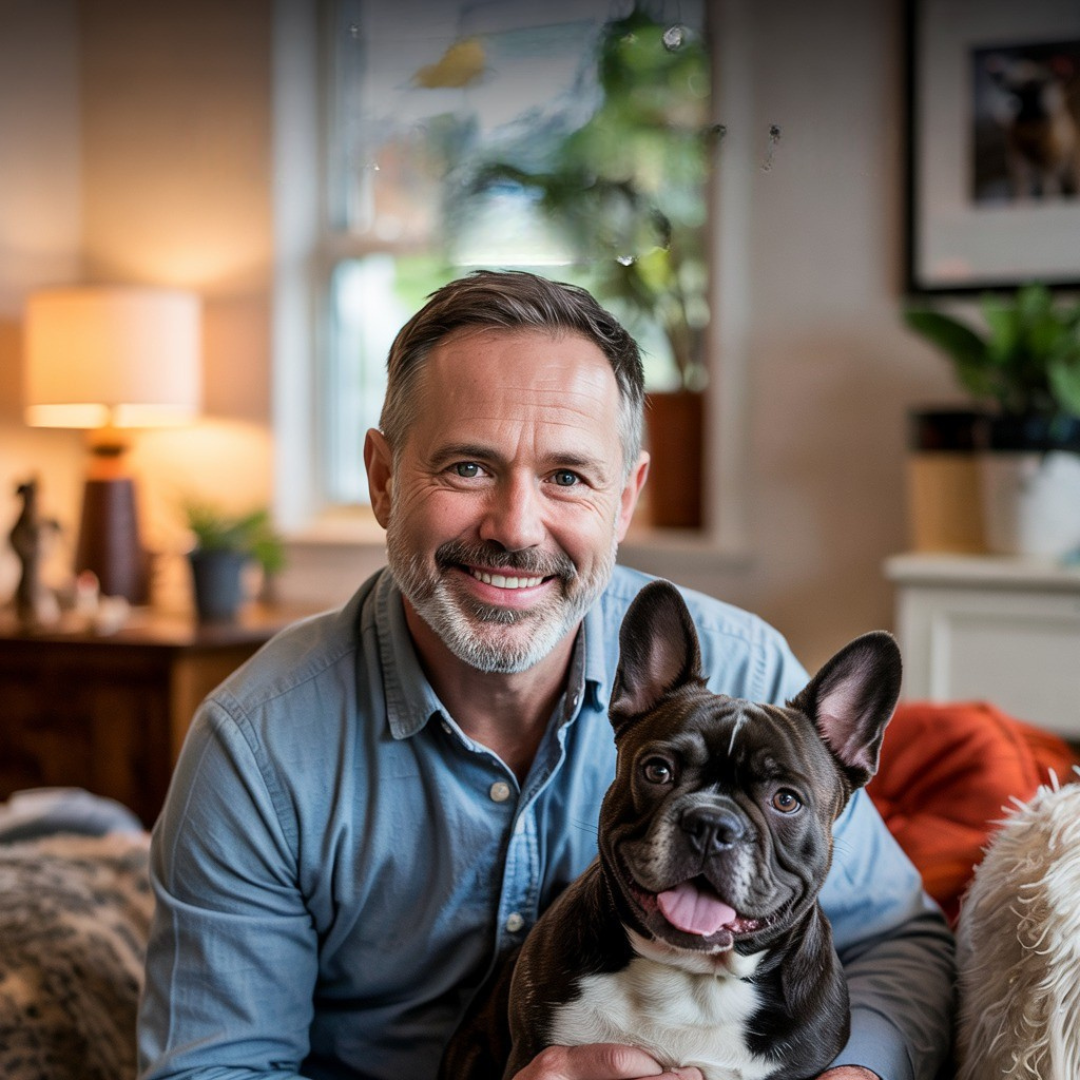
Dr. Alexandre Matheusu is a French Bulldog specialist with over 20 years of hands-on experience dedicated exclusively to the breed. Throughout his career, he has worked closely with responsible breeders, veterinarians, and kennel clubs, always respecting the traditional standards that shaped the French Bulldog into the companion dog it is today.
He holds a degree in Veterinary Medicine and a postgraduate certification in Canine Genetics and Breeding Management. Over the years, Dr. Moreau has focused on preserving breed health, correct morphology, and balanced temperament, following classical breeding principles passed down by experienced breeders.
Recognized for his deep knowledge and practical approach, he has advised kennels across Europe and the Americas, participated as a consultant in breeding programs, and contributed to educational materials aimed at protecting the future of the French Bulldog.
Humanize 274 words