
Is the French Bulldog an emotionally dependent dog?
Yes — many Frenchies are emotionally attached to their people. These dogs were bred to be companions, and they show it: they want to be where you are, on your lap or at your feet, and they notice when you leave. You’ll spot clinginess in small signs: following you from room to room, whining at the door, or refusing to settle when you’re out of sight. That doesn’t mean every Frenchie will panic alone, but the breed leans toward close bonds. Their compact size and friendly faces make them natural shadow dogs.
What you do matters. With calm training and steady practice of alone time, you can help a Frenchie feel secure on their own. Short departures, puzzle toys, and steady routines lower stress. Still, if you leave them alone for long workdays without help, expect behavior that asks for more attention.
What breed traits say about clinginess
French Bulldogs were bred as companion dogs, not working dogs. That breeding shows up as constant social interest: they don’t need long runs, but they crave interaction, petting, and play. Their sensitivity—reading your mood and reacting—makes them loving partners but also sets the stage for clinginess unless you teach independence early.
How Frenchies compare to other breeds
Compared to independent breeds, Frenchies stand out as clingy. Think of a husky or a shiba—those dogs often enjoy their own space. French Bulldogs are closer to “Velcro” breeds like the Cavalier King Charles Spaniel or some toy breeds that live to be near you. Working breeds like labs bond deeply too, but their jobs give them outlets for energy. With Frenchies, your lap, couch, and attention become their main outlets—ideal for apartment life if you can return the favor.
Quick takeaway for you
Expect affection and people-focus; plan training for alone time, mental toys, and short practice departures so your dog can be calm when you’re not home.
Signs of separation anxiety in French Bulldogs
You’ll spot separation anxiety when your Frenchie reacts more than just missing you. It often kicks in as soon as you walk out the door and continues while you’re gone. Many Frenchies form strong attachments, and that closeness can tip into anxiety when left alone.
Look for patterns. If the same behaviors happen every time you leave, it’s not random boredom. Changes like a new work schedule, a move, or a recent loss can trigger it. Puppies and shelter dogs can be extra vulnerable, but any Frenchie can develop separation anxiety.
Left unchecked, anxiety wears on your dog’s body and your home. Repeated pacing, chewing, and nonstop barking are stressful for you both. Catching the signs early makes fixing them faster and kinder on your dog.
Behavioral signs you can spot
Your Frenchie might turn into a Velcro dog—glued to your side, following you room to room, and losing interest in toys. When you try to leave, their whole mood can flip: frantic pacing, circling, or trying to block the door. Dramatic greetings on your return can look like relief more than excitement.
Destruction often shows up only when you’re out: chewed doorframes, shredded cushions, or claw marks on windows and doors. If your dog suddenly starts soiling inside despite being house-trained, that can be a stress response, not bad behavior.
Physical and vocal signs to watch
Vocal signs are loud and obvious: persistent barking, high-pitched whining, or howling for long stretches. Physical signs include heavy panting, trembling, drooling, restlessness, and loss of appetite. For Frenchies, heavy panting matters more because their short faces already strain breathing—if you see severe panting or collapse, get help fast.
When you should act
Act when signs are regular or worsening: nonstop barking, destructive escapes, house soiling, losing weight, or visible fear when you prepare to leave. If your dog looks physically unwell or the problem runs for days, consult your vet or a behavior pro right away.
Causes of emotional dependence in dogs
Emotional dependence shows up as shadowing, whining, or panic when you leave. Several forces feed that clinginess: genetics and breed history, how a pup was raised, owner response patterns, medical pain, sudden changes, or being rescued after a rough start. When dependence grows, you’ll see chewing, barking, destruction, or bathroom accidents when you step out. The good news: many causes are fixable if you spot them early and act calmly.
Genetics and breed traits that matter
French Bulldogs were bred to be lap dogs and city companions. That pushes them toward people-pleasing and close contact—an instinct that can tip into over-dependence if other factors line up. Genes are a lean toward clinginess, not a life sentence.
Environment and owner patterns that cause it
Your habits matter. If you pick up a pup the moment they whine, carry them everywhere, or make departures dramatic, you teach them panic works. Single-person homes, long work hours, or tiny apartments without dog friends can amplify neediness. Past trauma, like early separation, also increases clinginess.
Most common causes to fix
The easiest changes are routine and response: build predictable alone time, avoid immediate soothing for every whine, practice short departures, add a safe space like a crate or mat, increase low-key play and walks, and rule out pain with a vet check.
Socialization techniques for French Bulldog puppies
Socializing early changes how they meet the world. Many Frenchies are glued to people, so training social skills helps them feel safe without clinging. Start small and work up—short wins beat long sessions.
Focus on gentle handling, new sounds, and simple games. Let your puppy sniff shoes, feel different floors, hear a doorbell, and sit in a quiet car. Keep touches calm: paws, ears, mouth. If your pup yawns or looks away, give a break. Use treats and praise, but read your puppy’s face first.
Early puppy steps you can use
Spend a few minutes each day lifting paws, opening the mouth, rubbing ears, and pretending to brush. Put a collar and leash on briefly. Add short experiences: walk on grass, tile, and carpet; stop by a quiet store window; sit on a bench while people pass. Short, positive bursts beat long trials.
Safe exposure and play with others
Choose calm playmates. Find vaccinated puppies or adult dogs who are mellow and clear with body language. Watch play closely—Frenchies can overheat or get out of breath. Teach bite inhibition and breaks: call your pup away for a chew toy and calm praise if play gets too rowdy. Use a baby gate for sniff-only meetings to teach manners safely.
Weekly social plan
Aim for short, varied sessions 5–7 days a week: handling and grooming practice, a car ride or sound desensitization, a puppy class, a short park visit from a distance, a supervised playdate, a busy-but-quiet street window outing, and a calm bonding day. Keep each slot 5–20 minutes and always end on a good note.
Gentle training for separation anxiety
French Bulldogs bond hard and fast, so when you leave the room they might panic. Your job is to teach calm, not to punish fear. Start with tiny wins: give a safe spot with a bed, a chew, and a piece of clothing that smells like you. Use calm exits and returns so leaving becomes normal.
Mix movement, toys, and quiet time into your daily routine. A tired Frenchie is easier to settle, so a walk or play before practice helps. Track small changes—fewer barks, less pacing, softer greetings—to know the plan is working.
Counterconditioning and desensitization basics
Counterconditioning swaps a fearful feeling for a good one. When you pick up keys, give a high-value treat right away so keys predict rewards instead of panic. Desensitization means slow exposure: start with tiny triggers that don’t cause a reaction and increase gradually. If your Frenchie shows stress, step back.
Graduated independence training for pets
Build time away in short steps: 10 seconds, 30 seconds, a minute, adding slowly each day. Return calmly so comebacks aren’t big events. Teach cues like “settle” or a mat routine, and use puzzle feeders or frozen chews so your dog has something to focus on. If progress stalls, slow the pace.
Short session plan
Begin with a 5-minute warmup, then do a 3-minute practice leaving for 10–30 seconds while your dog has a long-lasting treat. Repeat 4–6 times, increasing absence slightly each day. End sessions while your dog is relaxed.
Positive reinforcement for confident dogs
Positive reinforcement is the fastest way to grow a calm, brave Frenchie. Because French Bulldogs are people-focused, your praise, treats, and play have huge power to change their feelings in new or scary situations. Pick clear, small goals for each session and use short, consistent training bursts.
Rewards that build confidence
Strong-smelling, tasty treats (tiny bits of chicken or cheese) work best. Mix in a favorite toy, praise, or a quick game so your dog learns brave choices bring multiple rewards. Match the reward to the moment: a tiny snack for looking at a door, a toy for calm play with another dog, a quiet cuddle for relaxed grooming.
Timing and consistency tips you can follow
Reward within a second or two of the behavior. Use a short cue like “yes” or a clicker, then reward immediately. Get your household on the same page—same words, same rewards, same rules. Short daily practice with slowly raised challenge helps your Frenchie learn calm.
Daily reward routine
Start the day with 5 minutes of sit-and-praise, give a calm-walk reward mid-day, use a puzzle feeder after play to reward independent calm, and finish with quiet praise before bed so your Frenchie ends the day feeling safe.
Preventing clingy behavior in dogs
Frenchies are naturally close to people, but you can shape that closeness so it doesn’t become neediness. Set clear boundaries: predictable meals, set nap spots, and regular alone time. Practice neutral exits and entries—put on your coat and leave without fanfare; come back and ignore wild greetings until calm.
Mix exercise, training, and social play so your Frenchie has outlets: walks burn energy, short training builds confidence, and playdates teach them to enjoy others.
Home routines that help prevent dependence
Create a daily rhythm with together time and solo time. Feed and walk at regular times, then add a short solo session after meals. Use a mat or bed and reward your dog for staying there while you do chores. Predictable cues help your dog relax instead of cling.
Toys and enrichment to reduce neediness
Offer toys that make your dog work for food and fun: puzzle feeders, snuffle mats, and stuffed KONGs. Rotate toys to keep novelty. Teach games that promote independent play like “find it” and use lick mats while you leave for short errands. Over time, your dog will learn you’re not the sole source of fun.
Top enrichment picks
KONG Classic stuffed with mashable treats, a snuffle mat, a lick mat, a treat-dispensing ball, and small puzzle feeders are practical picks to keep your Frenchie busy.
Building a confident, independent French Bulldog
You may still ask, Is the French Bulldog an emotionally dependent dog? Yes—many French Bulldogs attach quickly. But with steady practice, clear rules, and fun distractions, your pup can learn to be calm alone without losing that sweet bond.
Start with predictable routines: set mealtimes, mix play with quiet time, and give short solo breaks that grow each week. Use toys and brain games to teach independent enjoyment, and invite gentle social time so your Frenchie learns the world is friendly. Over time they’ll trade clinginess for calm independence.
Step-by-step independence plan you can use
Begin with tiny alone sessions: 1–2 minutes, returning calmly and rewarding quiet. Add crate or den training with puzzle toys and cues like “go to bed.” Gradually extend solo time to 15, then 30, then an hour—short wins beat setbacks. Keep notes on what worked.
Measuring progress and small wins
Track tiny signs: lying down instead of pacing, chewing a toy while you leave. Use a camera if possible. Log quiet stretches and celebrate milestones. Set clear goals (e.g., 30 minutes alone) and break them into weekly targets.
Simple milestones
2–5 minute solo sessions → 15 minutes quiet → 30–60 minutes with a puzzle toy → calm reactions to keys or shoes.
When to get professional help for separation anxiety
If your Frenchie flips out every time you grab your keys, it’s time to act. Short occasional whining is normal, but if your dog cries for hours, destroys the crate, injures themselves, or shows worsening behavior over weeks, consult a vet or behaviorist. Many Frenchies form tight bonds that can become daily meltdowns—when stress looks like panic attacks, nonstop barking, or self-harm, professional help is needed.
Red flags that need a vet or behaviorist
Bright red flags include destroying doors, chewing through baseboards until skin is broken, repeated house-soiling, loss of appetite, weight loss, vomiting, or sleep changes. Also watch for extreme vocalizing lasting hours, escape attempts that endanger them, or sudden aggression when you leave or return.
What a trainer or vet will do for your dog
A vet will check for pain, illness, hormonal issues, or medications that might worsen anxiety and may recommend short-term meds or supplements to lower panic so training can work. A trainer or certified behaviorist will create a step-by-step plan: graded departures, counterconditioning, enrichment routines, and practical home practice with measurable progress.
What to bring to your appointment
Bring short video clips of the problem, a log of when it happens, medical records, current meds and diet, notes on what you’ve tried, favorite toys, crate info, and specific questions so you don’t forget anything during the visit.
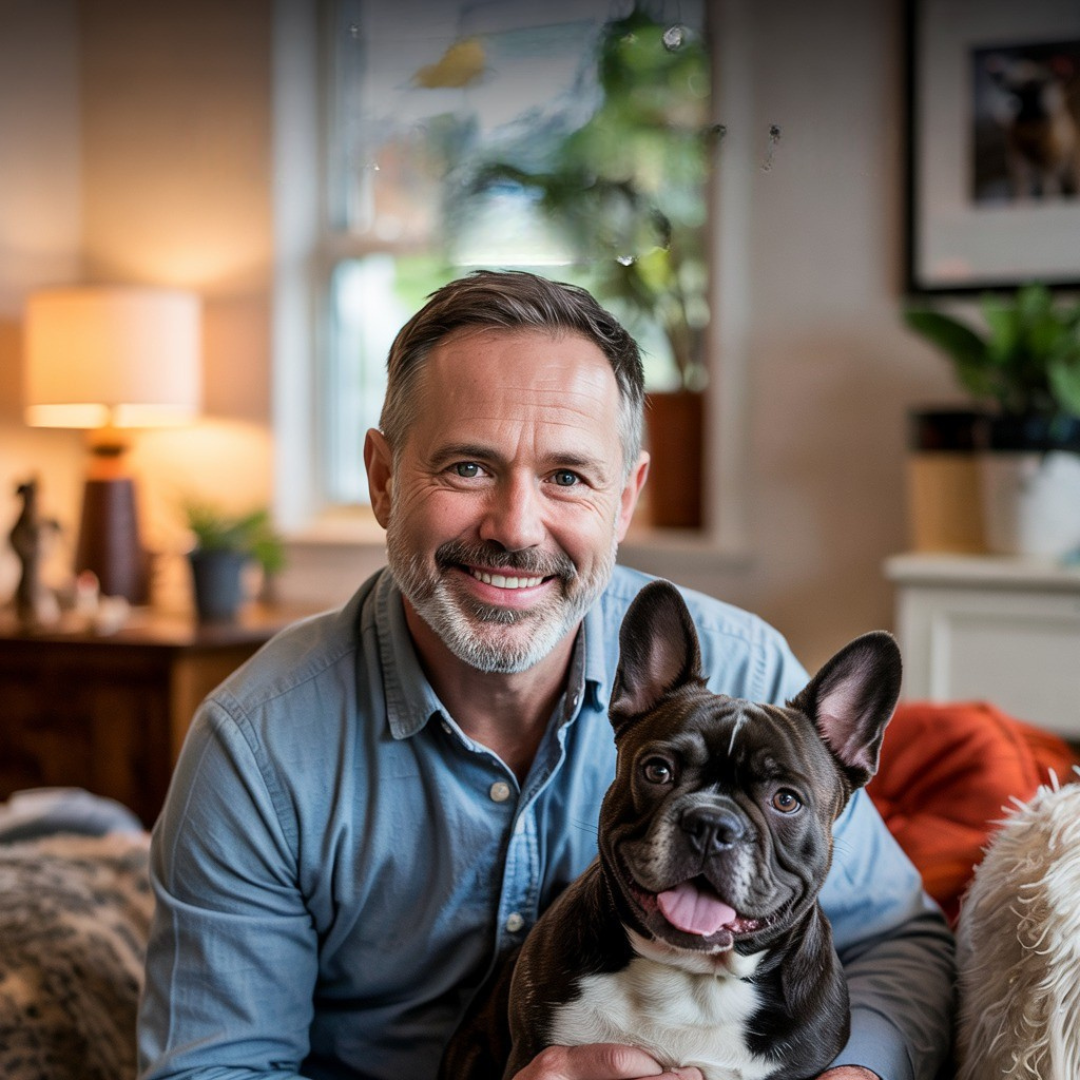
Dr. Alexandre Matheusu is a French Bulldog specialist with over 20 years of hands-on experience dedicated exclusively to the breed. Throughout his career, he has worked closely with responsible breeders, veterinarians, and kennel clubs, always respecting the traditional standards that shaped the French Bulldog into the companion dog it is today.
He holds a degree in Veterinary Medicine and a postgraduate certification in Canine Genetics and Breeding Management. Over the years, Dr. Moreau has focused on preserving breed health, correct morphology, and balanced temperament, following classical breeding principles passed down by experienced breeders.
Recognized for his deep knowledge and practical approach, he has advised kennels across Europe and the Americas, participated as a consultant in breeding programs, and contributed to educational materials aimed at protecting the future of the French Bulldog.
Humanize 274 words