
French Bulldog temperament snapshot
French Bulldogs are warm and silly. You’ll spot a Frenchie wagging, cuddling, or flopping on the floor like a tiny sofa. They are alert and curious, but not pushy. You get a dog that loves to be near you more than it loves to chase anything.
You might ask, “Why the French Bulldog is not an aggressive dog?” The short answer: they were bred as companion dogs. Most Frenchies will show curiosity or a warning bark before anything else. Proper social time and kind handling from you keep that friendly side shining.
They bring big personality in a small body. You’ll notice stubborn streaks and a need for your attention. With firm, calm rules and short training sessions, they learn fast. Think of them as your compact roommate who wants belly rubs and a short walk.
French Bulldog temperament basics
French Bulldogs crave company. If you leave them alone too long they get bored, and bored dogs make trouble. You can prevent that with toys, a friend at home, or a predictable routine.
They are playful but not high-energy athletes. Short bursts of play, a brisk walk, and indoor games keep them happy. You’ll prefer training that’s fun and brief; treats and praise work better than long lectures.
Gentle nature of French Bulldogs explained
Frenchies are gentle with kids and adults alike. They tend to tolerate handling and love to be near laps. You’ll see them nudge for attention and melt into your arms after a long day.
Still, they feel pain and stress like any dog. If a Frenchie snaps or hides, check for fear, pain, or past trauma. Teach kids to be gentle and you’ll keep that calm nature intact.
Key temperament facts
French Bulldogs are affectionate, social, and usually low on aggression; they can be vocal with a short bark to alert you; they are stubborn but trainable with short, positive sessions; they do best with company and moderate exercise and need careful handling in hot weather because of their short noses.
History and breeding for companionship
You’ll see a French Bulldog and feel like you’re looking at a little ambassador of chill. They began as lap dogs for English lace workers and later became city companions in France. Breeders picked the friendliest, calmest pups. Size and a gentle temper mattered more than toughness, so aggression faded from the mix.
In 19th-century streets and cafes, these dogs spent their days close to people. That daily life shaped them: dogs that snapped or fought weren’t kept as pets or bred, and over generations that changed the breed’s outlook.
Today, breed clubs and responsible breeders push for gentle temperaments. They test how puppies react to people and new sights. Socialization, training, and healthy breeding lines all help keep Frenchies friendly. Most are eager to cuddle, not to feud.
Origins that shaped calm behavior
The Frenchie’s roots trace back to small bulldogs and toy breeds. Lace workers in England loved tiny bulldogs for company. When they moved to France, the dogs mixed with local types and adapted to city life. That mix favored dogs who liked people and quiet homes.
Because these dogs lived in crowded places, breeders wanted ones that stayed calm around noise and kids. A pup that snapped at market stall owners didn’t stay in the family. Calm, curious, and social traits were selected and passed down.
How breeding reduced aggression
Breeders acted like gardeners: they removed lines that didn’t fit the household garden. Dogs showing bitey or fearful behavior were not bred. Over many litters, aggressive tendencies shrank, producing the people-first breed you see today.
Modern breeders use temperament checks and select for dogs that handle stress well. Owners who socialize pups early turn them into confident adults. So both breeding choices and how you raise a Frenchie lower the chance of aggression. If you care for them right, they reward you with loyalty and light-hearted antics.
Genetic traits to note
Some genetic traits shape how Frenchies behave: their flat faces limit endurance and make them less likely to chase prey for long, and many have low guarding instincts compared with working breeds. Pain from inherited health issues can make any dog grumpy, so good vet care helps keep their calm nature intact.
Reading Frenchie body language
Your Frenchie talks with their whole body. Watch the ears, eyes, tail and mouth first. Ears up and forward mean interest. Soft eyes and a loose mouth usually mean contentment. A quick change in posture or a hard stare can mean something else — look at how the parts move together.
Breathing, sounds and movement tell you more. Heavy panting, snorting or wheezing can signal discomfort, especially on hot days. A wag can be a happy breeze or a fast alarm bell — consider the whole stance. When your Frenchie shifts weight back, freezes or pulls away, that is a clear sign to slow down.
You get better by watching patterns. Notice how your dog acts with family, at the park, or at the vet. Small signs add up into a clear story. Trust your gut if something feels off, and use a calm voice and steady touch while you watch.
Signs your Frenchie is relaxed
A relaxed Frenchie has a loose body and soft face. They may flop on their side, show their belly, or let their tongue loll out. Their tail will wag gently or swing their whole rear end. They make soft noises, like low snorts or happy sighs. These are clear “I’m comfy” signals.
You’ll see relaxed breathing and steady eyes. Sleepy snorts and dozing with one ear up are common. During play, they use a play bow — front down, rear up — to say “let’s have fun.” When guests arrive and your dog greets them calmly, that’s another sign you’ve got a relaxed pal.
When they may show stress or fear
Stiff body, tucked tail, and whale eye (the whites of their eyes showing) are key warnings. Your Frenchie might lick their lips, yawn, or turn their head away. These are ways your dog says “give me space.” Quick, shallow breathing and trembling are bigger red flags.
Triggers vary: loud noises, crowded places, strangers, vet visits, and heat can push a Frenchie into stress. Remember, their short noses make heat and breathing harder. If they back into a corner or freeze, take it seriously and remove the trigger when you can.
Safe ways to respond
Step back, speak softly, and give them space. Offer a quiet place or a favorite toy and avoid forcing eye contact or hugs. Move slowly and let them come to you when they’re ready. If stress persists, change the environment or call your vet or a trainer for help.
Socialization from puppyhood
Start early. Your Frenchie learns fast in the first three months. Those weeks shape how they feel about people, dogs, and new places. Move slowly and keep things positive to build a friendly dog who trusts you and the world.
If you’ve ever asked, “Why the French Bulldog is not an aggressive dog”, part of the answer is socialization. A Frenchie raised around kind people and safe playmates usually grows into a relaxed adult. Fear and rough handling create problems, but calm exposure and rewards make friendliness the default.
Make social time short and fun. Five to ten minutes a few times a day beats one long, scary session. Use treats, soft praise, and calm energy. Watch your pup’s signals and step back if they freeze or hide. Consistency wins over big gestures.
French Bulldog socialization tips
Introduce one thing at a time. Start with a hand, then a new surface, then a different person. Let your pup sniff first. Keep meetings calm and let your dog set the pace. If they step away, that’s fine—give space and try again later.
Use real-life practice. Walk past a busy street, meet a child at a park, ride in the car, and visit a friend’s quiet dog. Reward calm behavior with tiny treats or a quick pet. Puppy classes help, but everyday moments teach the most.
How early play builds manners
Play is practice for life. When puppies wrestle, they learn bite control, self-restraint, and how to read body language. A Frenchie who has had proper playtime knows when a playmate says “enough” and is less likely to snap or escalate.
You can shape good habits during play. Stop the game if the pup gets too rough. Teach “sit” or “leave it” before play starts. These small rules turn wild energy into polite behavior and help your dog stay chill in busy homes.
Socialization checklist
Checklist: gentle handling by different people; short visits to parks and streets; meeting calm adult dogs and vaccinated pups; exposure to car rides, elevators, and stairs; noise practice with TV, doorbells, and vacuums; puppy class or supervised playdates; regular positive rewards for calm responses.
Training methods that reduce reactivity
Reactivity comes from fear, excitement, or confusion. Calm it by breaking big triggers into tiny steps. Work at your Frenchie’s threshold — the spot where they notice a trigger but can still focus on you. Practice there and move back if they lose it. Over time that threshold moves closer to the trigger.
Use reward-based training to change how the dog feels about a trigger. If a delivery truck used to make your Frenchie bark, give treats the moment they look at the truck and then look at you. That creates a new link: truck equals good stuff. This counter-conditioning works fast when you’re consistent and quick with rewards.
Also manage the environment so your dog wins more than they lose. Shorten walks near busy corners. Use calming gear like a snug harness. Teach calm greetings and give structure. Remember, Why the French Bulldog is not an aggressive dog — most react out of worry, not meanness. With the right steps you can turn a reactive bark into a polite glance.
Training a non aggressive Frenchie with rewards
Pick treats your dog thinks are treasure. Small, soft bits work best so you can give many without overfeeding. Use a clear cue or click, then treat. Your timing tells your dog exactly what earned the reward. Keep sessions short and fun — five minutes is gold for a short, focused brain.
Vary rewards to keep your dog interested. Sometimes give a toy, sometimes a treat, sometimes praise. When your Frenchie stays calm near a trigger, mark that calm and reward. That pattern teaches them calm gets the goods, so they choose calm more often.
Teaching clear rules and boundaries
Rules keep your dog safe and your home sane. Pick simple ones: no jumping on guests, sit before the door opens, calm on the couch. Train the whole family to use the same words and responses. If Aunt Sue lets the dog jump while you don’t, the rule vanishes.
Use consistent consequences that match the rule. If the rule is “sit for petting,” don’t allow petting unless they sit. Remove attention for misbehavior and give it for the right choice. Clear signals and steady follow-through make the boundaries feel fair, not mean.
Daily training routine
Aim for three to four short sessions a day: 5–10 minutes of focused work, plus a couple of calm practice moments during walks. Start with attention and simple cues, add one trigger exercise at threshold, then finish with a fun reward or cuddle. Mix mental games and gentle exercise, and always watch breathing — Frenchies can overheat.
Health and pain that affect behavior
When your Frenchie suddenly acts grumpy, hides, or snaps, pain is often the culprit. French Bulldogs have squashed faces, short legs, and skin folds that bring many health problems. Breathing trouble, joint aches, ear infections, and skin allergies can make them short-tempered or shut down. Remember, Why the French Bulldog is not an aggressive dog — most mood changes come from feeling lousy, not from a mean streak.
You’ll spot clues if you watch closely. A dog that won’t jump on the couch anymore, flinches when you touch a spot, or stops wagging after play was probably hurt or uncomfortable. Some problems are sneaky: mild back pain or dental aches can make a usually cheerful dog snap. Think of behavior as a message; you just have to read it.
Act fast when those messages change. Keep a log of what you see — time of day, what preceded the change, and any new smells or wounds. Small fixes help: softer beds, a ramp to the car, trimming walks on hot days, and checking skin folds often. If the mood shift sticks around, get a professional checkup so you can help your buddy feel like themselves again.
Common issues that change mood
Breathing problems are a big one for French Bulldogs. They pant loudly, cough, or gag, and that makes them anxious and tired. Skin issues and allergies show up as scratching, bald patches, or red folds, and chronic itch wears a dog down. Ear infections hurt and smell bad; your dog may shake their head and snap when you try to clean the ear.
Joint pain and arthritis creep in with age or after injury. A young dog with limping might have a hip or knee issue. Dental pain is sneaky too — a bad tooth can turn a friendly face into a growling one during meals or when you touch their mouth. Watch patterns: mood change after play, during heat, or after grooming points right to the likely cause.
When pain looks like aggression
Pain makes dogs read danger everywhere. If you reach for a sore spot and your Frenchie growls or bites, that’s their stay away alarm. They aren’t plotting to be mean; they’re defending the sore spot. It looks like aggression, but it’s more like a pain-fueled reflex.
Respect that boundary and don’t punish the reaction. Back off, stay calm, and note what caused the response. Use treats and gentle pats to rebuild trust once the pain is checked. A vet exam often clears up the mystery and stops those scary surprise nips.
When to see a vet
See the vet right away for sudden, severe changes: heavy breathing or blue gums, limping that won’t improve, blood, collapse, or fierce aggression out of character. Also get help if a mood shift lasts more than a couple of days, if your dog won’t eat, or if pain shows during touch. Quick action keeps small problems from turning big.
Mythbusting aggression claims
You’ve probably seen a tiny Frenchie with a big attitude and assumed breed = bite. That’s a shortcut, but it’s wrong. French Bulldogs were bred to be companion pets, not guard dogs. Their whole history is lap-warmth and people-time, not fighting or protecting territory. When a Frenchie growls or snaps, it’s usually fear, pain, or poor training, not innate villainy.
Think of behavior like a recipe. Genetics give you the ingredients, but upbringing adds the spices. If a dog grows up afraid, poorly socialized, or in pain, those traits can turn into trouble. You can swap out the spices with early social play, vet care, and calm leadership. Media clips and scary headlines love shock; a viral video of a small dog snapping paints the breed with a broad brush. Look closer: many stories involve stress, confusion, or a single bad encounter.
Debunking French Bulldog aggression myths
Myth: Small dogs are more aggressive. Size doesn’t cause nastiness. Small dogs can bite, but that’s often fear or reinforcement from owners who laugh off bad behavior. Rewarding barking with attention makes it louder. With calm boundaries and consistent rules, size isn’t an excuse for rudeness.
Myth: Frenchies are stubborn and mean. They can be stubborn like a toddler who’s found a cookie jar. But stubbornness is not aggression. It shows up as slow obedience or selective hearing. Fix it with short training sessions, treats, and praise. A stubborn Frenchie can be the most charming couch buddy once you’ve taught them the rules.
Are French Bulldogs aggressive? The facts
If you’re asking Why the French Bulldog is not an aggressive dog, look at temperament reports and breed histories. Most show a friendly, people-focused nature. Frenchies thrive on human contact. They get grumpy when ignored, not because they want to bite but because they want attention. When aggression appears, it’s usually traceable to a clear cause: illness, fear, or lack of socialization.
Real-world causes are simple and fixable. Pain-related aggression shows up suddenly — a previously calm dog snaps when touched. Fear-based aggression happens in busy places or near strangers if the pup hasn’t learned social rules. Resource guarding shows up around food or toys. Each needs a different fix: vet checks, slow exposure to people, or structured trade games. None mean the breed is aggressive by nature.
Facts vs myths summary
French Bulldogs are companion dogs by design; bad behavior usually points to fear, pain, or poor training, not a mean streak baked into their DNA. Watch context, get a vet check for sudden changes, and teach your dog social skills early. That clears up most cases where people confuse spunk for savagery.
Choosing a calm Frenchie: breeder and rescue tips
When you look for a calm Frenchie, start by watching how the pup reacts to simple things: a sudden noise, a new person, or a toy dropped near them. Calm pups stay curious without freaking out. Ask to see the puppy with siblings and with people. The way they move and settle tells you a lot. A puppy who checks you out, then goes back to snoozing, often grows into a relaxed adult.
Breeders and rescues give different clues. A good breeder will let you meet the parents or at least describe their temperaments and routines. A rescue should share notes from fosters and any behavior tests they ran. Either source should let you spend time with the dog and see them in normal household scenes — dinner time, a doorbell, a vacuum. That snapshot helps you picture life with that dog.
Remember genetics matter, but so does what happens in the first weeks. Early handling, exposure to people, and simple training shape how calm a Frenchie becomes. If you want a low-key companion, ask about the pup’s daily routine and prior exposure to kids, traffic, and other dogs. Trust your gut. If the pup seems tense or overwhelmed in a short visit, they may need more time and training than you want to give.
What to ask to find a calm pup
Ask about the parents’ temperaments and daily lives. Were they calm in the house? Did they handle visitors and kids well? Parents set a baseline. If both parents are relaxed, your odds of getting a chill pup go up. If a breeder can’t describe the parents’ behavior, that’s a red flag.
Also ask about early socialization and how the pup reacts to noise, grooming, and being handled. Find out if the pup has been exposed to car rides, different surfaces, and strangers. Ask specifics: How did this pup react to a vacuum? or How do they handle being picked up? Concrete answers matter more than vague praise.
How rescues test Frenchie behavior and personality
Rescues often use short behavior checks and long-term fosters to see how a Frenchie acts. A quick test might watch for resource guarding, reactivity to strangers, how they take treats, and how they behave in a crate. The most useful info comes from foster families who live with the dog for days or weeks and report real-life habits and triggers.
Pay attention to how rescues describe their findings. If a dog was nervous in the shelter but relaxed with a foster family, that says the dog needs time and a stable home to settle. Ask for examples: did the dog calm down after a car ride? Did they warm up to guests after an hour? Those stories are gold. Also ask about any training steps they tried and what worked.
Adoption checklist
Before you commit, get a written history: medical records, behavior notes, foster feedback, and any training the dog has had. Meet the dog multiple times if possible, including with family members and in different settings. Confirm the rescue or breeder offers a trial period or return policy, and have a plan for slow introductions at home. Bring a list of must-haves for your household — energy level, tolerance for kids, and grooming needs — and match the dog’s profile to that list.
Everyday care to keep your Frenchie mellow
Keep a steady routine. Frenchies feel safe when meals, walks, and naps happen around the same time each day. Regular feeding times and short, predictable walks stop anxiety before it starts. A calm home, limited loud noises, and soft places to lounge will cut down on barking and restless pacing.
Watch their health closely. French Bulldogs are brachycephalic — they can overheat and struggle with heavy breathing. You need to spot early signs: open-mouth breathing at rest, blue gums, or slow recovery after play. A quick phone call to the vet beats a late-night panic, so don’t ignore subtle changes in appetite or energy.
Social life matters. Give your Frenchie gentle exposure to people, other dogs, and everyday sounds. Positive, short visits make them friendly, not fearful. This is part of why many owners ask “Why the French Bulldog is not an aggressive dog” — proper care and social time turn them into sweet, easygoing companions.
Exercise and mental work for calmness
Short, purposeful exercise works best. Think 15–20 minute walks twice a day rather than long runs. Heat and heavy breathing limit endurance, so pick cool hours. Mix in sniff time; letting them explore smells burns mental energy faster than a long march.
Add brain games. Puzzle feeders, quick training drills, or hide-and-seek with treats keep your Frenchie focused and tired in a good way. Ten minutes of problem-solving can mellow them out more than an hour of running. Rotate toys so they stay interested.
How to raise a well-mannered French Bulldog at home
Use clear, kind rules. Decide where your Frenchie sleeps, what furniture is allowed, and how visitors greet them. Consistency from everyone in the house prevents confusion. Reward calm behavior with treats and praise; it teaches faster than scolding.
Handle training like short coaching sessions. Teach sit, stay, and loose-leash walking in five-minute blocks, several times a day. Practice leaving and coming back calmly so they don’t form separation stress. Small, steady wins add up into a polite dog who listens.
Simple daily care plan
Wake-up potty, 15–20 minute morning walk with sniff time, breakfast, 10–15 minute training or puzzle, mid-day nap, short play or leash stroll, quick coat and face check, evening walk, calm family time, last potty before bed — repeat with slight adjustments for weather and your schedule.
Why the French Bulldog is not an aggressive dog: the bottom line — they are companion animals bred for calm, selected for friendliness, shaped by early socialization, and affected by health and handling. When problems occur, they’re usually fixable with vet care, training, and steady, kind management.
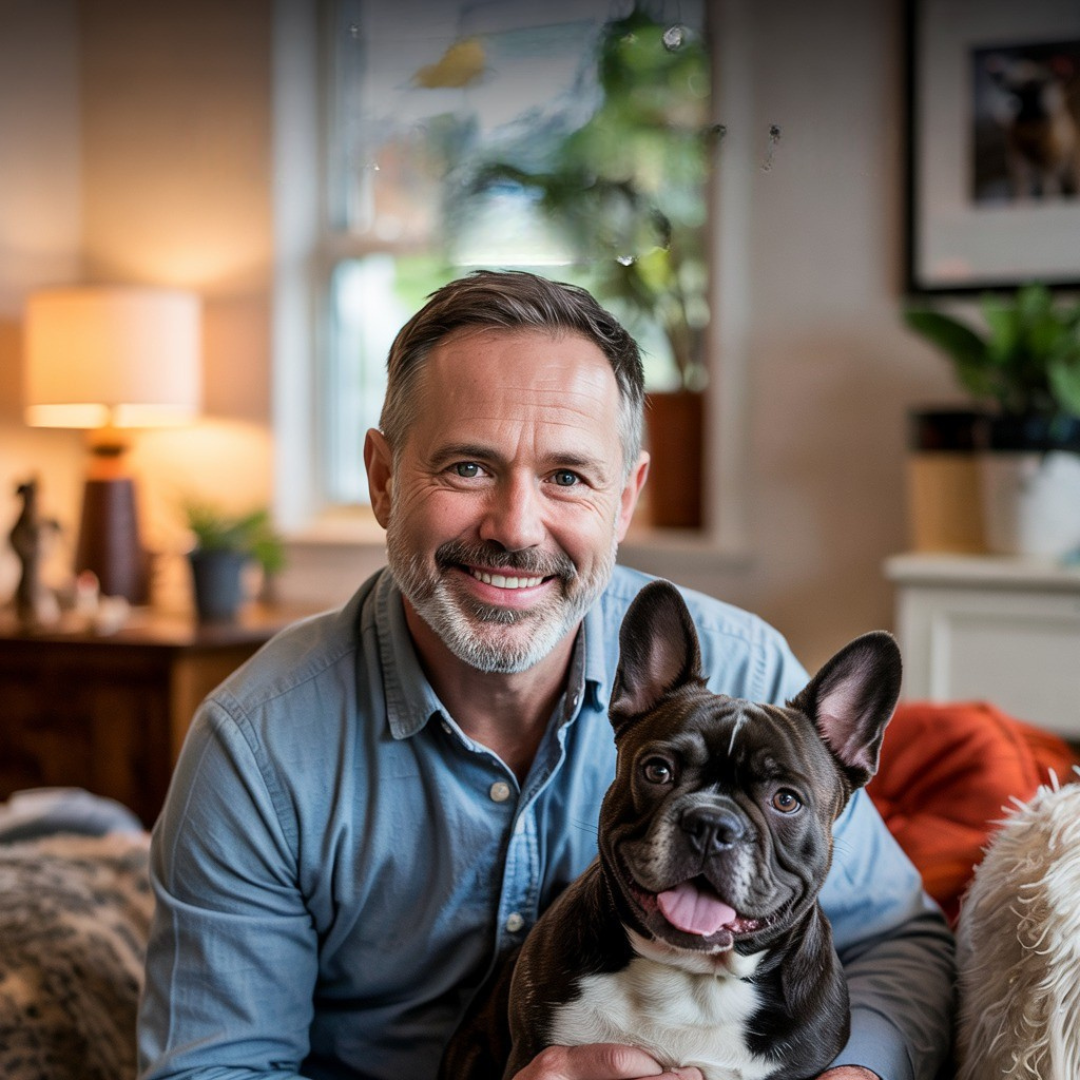
Dr. Alexandre Matheusu is a French Bulldog specialist with over 20 years of hands-on experience dedicated exclusively to the breed. Throughout his career, he has worked closely with responsible breeders, veterinarians, and kennel clubs, always respecting the traditional standards that shaped the French Bulldog into the companion dog it is today.
He holds a degree in Veterinary Medicine and a postgraduate certification in Canine Genetics and Breeding Management. Over the years, Dr. Moreau has focused on preserving breed health, correct morphology, and balanced temperament, following classical breeding principles passed down by experienced breeders.
Recognized for his deep knowledge and practical approach, he has advised kennels across Europe and the Americas, participated as a consultant in breeding programs, and contributed to educational materials aimed at protecting the future of the French Bulldog.
Humanize 274 words