
French Bulldog calm temperament
You’ll notice right away that a Frenchie prefers chill over chaos. They love slow mornings, short bursts of play, and long naps that make your couch feel like a shared cloud. Think of them as a small dog with a big heart and a low-key vibe; you get affection without the constant buzz.
This breed is friendly and steady with family. Your Frenchie wants to be where you are, whether that’s on the sofa or at your feet while you work. They aren’t drama queens, but they do enjoy attention and will gently demand it with a look that melts you every time.
Remember that calm doesn’t mean dull. A French Bulldog: calm, but attentive to its surroundings — ready to sound off at the doorbell or perk up for a treat. With consistent routines and a calm leader, your Frenchie stays balanced and happy.
Low energy and steady mood
Frenchies aren’t marathon runners. You can keep them fit with two short walks and a few play sessions each day. That low-energy pattern fits apartment life and busy schedules. You won’t be trudging out for hours to tire them.
Their steady mood makes vet visits and grooming easier. Occasional bursts of silliness pop up, but most days they’re content to lounge and watch the world. Give them safe toys and a bit of mental play to avoid boredom without exhausting yourself.
Composed yet alert French Bulldog
Even as they relax, Frenchies are surprisingly aware. They’ll hear a new sound and fix you with that curious stare, then investigate. This makes them good little watchdogs; they’ll warn you and likely return to napping once they’ve checked things out.
Socialization keeps that alertness friendly. If you introduce your dog to different people and noises early, they learn to assess rather than panic. A calm, confident owner helps them read the room and act appropriately.
Quick temperament summary
In short: your Frenchie is low-energy, affectionate, and watchful — a compact companion that loves routine, likes attention, and reacts to real changes in the environment without losing its cool.
How they show alertness
You’ll see it in small moves. A Frenchie often shifts from relaxed to focused in a single blink — ears up, head level, eyes sharp. That quick flip tells you they’re tracking something, and you’ll feel the change in the room like someone turned up the volume.
Their body talks loud. A forward lean, a paused tail wag, or a sudden freeze are all signals that your dog is processing a sound or scent. Pay attention to where they point their nose; that’s usually the direction of interest and it helps you read the scene fast.
Sounds matter too. A low rumble, a quick snort, or alert barking are their way of saying look here. French Bulldog: calm, but attentive to its surroundings — learn those cues and you’ll be two steps ahead.
Alert Frenchie ear cues
Ears are like little antennas. When your Frenchie lifts them straight up and angles them forward, they’re picking up something specific. If the ears swivel, they’re narrowing in on a noise; if one ear pops up and the other stays relaxed, they might be unsure or curious.
Watch for changes. Sudden ear tension, a quick flick, or ears held tight to the head all mean something different. You’ll start to recognize your dog’s ear language, and that helps you figure out if it’s just a passerby or something you should check out.
Watchful Frenchie behavior
Staring is big with Frenchies. A fixed gaze toward a window, door, or sound shows focus. Sometimes they’ll stare and then give a soft whine or head tilt; other times they’ll spring into action and trot over to investigate. That pattern tells you how seriously they take the cue.
Their movement style is honest. Slow, deliberate steps toward the source mean caution. Quick bursts and barking mean they’re confident or trying to warn. You know your dog’s normal and you’ll spot the change — like when they go from loafing on the couch to standing sentry by the door.
Spotting alert signs
Look for a mix: ears pricked, eyes fixed, body tensed, and a change in breathing or vocalizing. Add sniffing and head tilts to that list. When several of those happen together, your Frenchie is definitely on alert and asking you to notice what they noticed.
Exercise for a low energy attentive French Bulldog
Your French Bulldog: calm, but attentive to its surroundings needs movement that respects that slow-and-watchful personality. You don’t have to run marathons. Short, regular bursts of activity keep muscles happy and the mind sharp. Think of exercise as small deposits to a bank account — steady wins the day.
Start simple and predictable. Two or three short sessions a day work better than one long outing. Watch breathing closely; Frenchies can overheat fast. If your dog pants heavily, slows down, or drools more than usual, pause and rest in the shade with water.
Keep exercise fun and social when possible. Use treats, a favorite toy, or a quick trick session to keep attention. Mental work wears them out nicely, and a focused dog is a calmer dog at home. Rotate activities so walks and play don’t become boring.
Short walks and brief play
Short walks are your go-to. Aim for 10–20 minutes at a calm pace, once or twice a day. Pick cool times like early morning or evening. Let your dog sniff; that low-energy focus is good mental exercise. Skip the midday heat and steep hills.
For brief play, think five to ten minutes of focused fun. A gentle game of tug or a soft toy fetch in the yard wakes up the body without overstressing the lungs. Keep sessions upbeat but short. If your Frenchie loses interest, stop and try something else later.
Safe indoor activity ideas
Indoor games are perfect on hot or rainy days. Try treat puzzles, muffin tin hideouts, or a snuffle mat to let your dog forage safely. These spark curiosity and use brain power, which helps tire them out without heavy exertion.
Training quick tricks also works wonders. Teach a new cue like “spin” or “target” in short bursts. Use high-value treats and praise. Obstacle play with cushions or low boxes gives light physical work and stays gentle on joints.
Daily activity guide
A simple daily plan: morning 10–15 minute walk, midday 5–10 minute play or puzzle, short training trick session, and an evening 10–15 minute stroll. Sprinkle bathroom breaks and rest times between sessions. Always watch breathing, keep water handy, and pick cool spots when outside.
Training a calm but alert French Bulldog
Start by accepting that your Frenchie can be both a couch buddy and a lookout. You want calm energy, not asleep-on-watch. Train in short bursts. Five minutes, three or four times a day works better than one long session. Use calm tones and steady body language. Your voice tells your dog more than you think. A relaxed face and slow movements say chill while clear cues say pay attention.
Mix rest and alertness in daily life. Teach your dog to settle on a mat and to pop up and check you on cue. This builds the habit of being calm but ready. Try a simple routine: mat, name, look, release. Do it around small distractions first, then increase them. Over time your pup will stay composed and still scan the space — the classic French Bulldog: calm, but attentive to its surroundings.
Anecdote: imagine Gigi the Frenchie at the park. She lies by your feet until you call her. Then she springs to attention, checks for your signal, and either stays or moves near you. That behavior comes from clear rules, short practice, and rewards that actually mean something to Gigi. You can copy that pattern and make it yours.
Positive reinforcement basics
Pick rewards your dog loves. For some Frenchies it’s tiny cheese bits. For others it’s a squeaky toy. Find what makes your dog’s eyes light up. Use those rewards to mark exactly the right moment. Say Yes! or click when your dog does what you want, then give the treat. Timing is everything. The faster the reward, the faster your dog learns.
Keep sessions upbeat and short. End on a win. If you notice your dog losing interest, switch rewards or stop and try again later. Praise works too — a happy, low voice beats shouting. Gradually mix in less food and more praise or play so your dog listens even when cookies aren’t around.
Focus and recall drills
Start inside with no distractions. Say your dog’s name, wait for eye contact, then reward. Repeat until your dog looks quickly. Next add a step back or a toss of the toy. Increase distance slowly. When that’s solid, move to the backyard, then a quiet park. Each move adds a new challenge. Keep reps short and fun.
For recall, use a long line at first. Call your dog in a happy voice. When they come, make it worth their trip. Kneel, open your arms, deliver a high-value treat, and play a second. Never call them only for things they don’t like, like baths or vet trips. Mix in good stuff so coming to you is the best option.
Training tip for focus
Use a watch me cue and fade treats to life rewards. Hold a treat near your eyes, say watch me, give the treat when they look. Repeat till the cue alone gets attention. Then reward with a toy, walk, or praise so your dog learns that looking at you can lead to real-life fun.
Socializing your observant French Bulldog
Your French Bulldog: calm, but attentive to its surroundings, so socializing is not about making them loud — it’s about helping them trust what they see. Start slow and watch their eyes and ears. If they freeze or tuck a paw, back off a step and give a treat. Small steps build big confidence.
Think of socializing like teaching them a language. Short, fun lessons work best. Ten minutes of happy exposure a few times a day beats one long session that leaves both of you tired. Mix new people, dogs, sounds, and places so your pup learns to read the world without getting overwhelmed.
Use play, treats, and comfort to link new things with good stuff. Praise in a calm voice, give a favorite chew after a vet visit, and let them approach at their pace. Your calm presence matters more than perfect technique — you set the tone.
Early dog and people exposure
Introduce people of different ages, appearances, and voices while your pup is relaxed. Let infants, kids, and seniors offer a treat or a gentle pat, but always supervise. If your Frenchie sniffs and moves on, that’s fine — forced hugs create fear, not friends.
Also bring your pup around other dogs in controlled settings. Pick calm, vaccinated dogs for first meetings and keep sessions short. If a playmate gets too excited, step in and guide a calmer interaction. Over time your Frenchie learns to read dog body language and join in without a fuss.
Calm play and polite greetings
Teach play that stays soft. Use tug toys, soft fetch, and gentle wrestling on the floor. Stop play if it gets too rough. Say all done and walk away for a moment; that teaches self-control. Frenchies love to soldier on, so you must be the brake sometimes.
For greetings, train a simple routine: sit, look, take a treat. When your Frenchie sits to meet a person or dog, reward the calm. If they jump, turn away and try again. Polite habits pay off at the park, vet, and family gatherings.
Socialization checklist
Short sessions daily, people of all ages, calm vaccinated dog friends, different surfaces and sounds, car rides, handling for grooming and vet checks, treats for positive links, puppy class or trainer for structure, leash walks in new areas, and quiet breaks when your Frenchie shows stress.
Home setup for a relaxed vigilant Frenchie
Make a space that says “safe” to your Frenchie. Put their bed where the family hangs out but away from the front door draft. French Bulldogs love company, yet they wake at the slightest noise. A low bed, a soft blanket, and a small crate with an open door will give your dog a cozy spot to watch without feeling trapped. Think of it as their little lookout that doubles as a couch.
Temperatures matter. Frenchies overheat fast and can shiver in cold rooms. Keep the room between about 68–75°F and add a cool mat or a small fan in summer. In winter, choose a warm, machine-washable bed and keep rugs on slippery floors so your pup can move without sliding. These small choices keep your dog calm and steady.
Toys and scent items help, too. Rotate a couple of chew toys and tuck in a worn t-shirt with your smell. Toys give focus; your scent gives comfort. You’ll notice a big drop in frantic pacing and barking when your dog has predictable comfort and quick outlets for energy. Remember: French Bulldog: calm, but attentive to its surroundings — give them a set-up that matches that vibe.
Quiet zones and safe spaces
Pick a low-traffic corner for downtime. Near a kitchen or living room is fine if it’s off the main path. Close enough to see you, far enough from the doorbell. Use a sturdy crate or small playpen as a private area. Covering the top with a light blanket can turn it into a den that says rest time.
Cut loud noises with soft sounds. A ticking clock, soft music, or a white-noise machine helps mask sudden sounds that make your Frenchie jump. Keep cleaning supplies, small items, and cords out of reach. These dogs are curious; a plugged-in cord or a dropped sock can quickly turn play into trouble.
Secure yard and indoor gates
Fence gaps that are easy to squeeze through or kick at are little escape routes for a curious Frenchie. Pick a fence without wide horizontal rails and check for gaps under gate bottoms. Add a dig barrier if your yard has loose soil; a few inches of concrete or buried wire will stop surprise exits. Keep shade and water nearby so your dog won’t overheat outside.
Indoors, use gates at stairs and high-traffic zones. Frenchies can hurt their backs with jumps. Gates stop fast dashes to the door or off furniture that puts strain on joints. Make sure gate latches are dog-proof but easy for you. Secure screens on doors and windows; a loose screen is an invitation for mischief.
Simple safety steps
Do a quick sweep: pick up small toys, lock cleaners and medicines, steady loose rugs, and check fence edges weekly. Keep collars snug but comfortable and ID tags up to date. Never leave your Frenchie in a hot car, and supervise outdoor time on hot days. A short checklist like this protects your dog from common household risks.
Health issues that affect alertness
Your Frenchie usually perks up when the doorbell rings. If you notice slower reactions, long naps, or glazed eyes, that drop in alertness is worth a note. The phrase “French Bulldog: calm, but attentive to its surroundings” fits many of them, but changes from that pattern can signal trouble. You know their spark. When that spark dims, pay attention.
Breathing problems, low blood sugar, pain, infections, heart trouble, and brain issues can all dull your dog’s focus. A blocked airway steals oxygen and makes your dog sleepy. Fever and infections drain energy fast. Some medications make dogs groggy. Older dogs may slow down too, but sudden change is different from gentle aging.
Keep a simple log: times of day, how long they sleep, appetite, and strange pauses. Video clips help when you call the vet. Small shifts that last a day or two can be watched, but steady decline or sudden drop means act. Trust what you see; you know your dog better than anyone.
Brachycephalic breathing risks
Flat faces bring charm and trouble. Your Frenchie’s short nose can pinch airways and cause loud snorts, gagging, or shallow breaths. That reduces oxygen on bad days and makes them tire fast. Less oxygen equals less alertness. You might see them wake slowly after play or nap deeply for long stretches.
Over time, blocked airways can lead to fainting, noisy sleep, and trouble exercising. Heat or excitement makes it worse. If you notice blue gums, heavy drool, or collapsing, these are red flags. Surgery can help some dogs, but the vet must check first. Meanwhile, keep activity calm and short.
Heat sensitivity and rest limits
French Bulldogs overheat quickly. Their short snout makes panting less effective, so they reach their limit fast. You’ll see heavy breathing, drooling, or a search for shade after a few minutes of play. Morning and evening walks are your friend. Think short bursts, not long marathons.
Set clear rest breaks. Give water, shade, and quiet after play. If your dog seems dazed, wobbly, or refuses to stand, don’t wait. Cool-down and vet advice may be needed.
When to call your vet
Call your vet right away if your dog collapses, has pale or blue gums, won’t wake, breathes with great effort, has a seizure, or shows sudden, steady dullness or confusion; also call if vomiting, severe diarrhea, or high fever appear. If changes follow medication, surgery, or a head injury, contact the clinic fast. When in doubt, a quick call beats a long worry.
Mental toys for an observant French Bulldog
Your French Bulldog: calm, but attentive to its surroundings. That quiet stare means your dog is watching and ready to pounce on anything interesting. Mental toys give that focus something to do. They turn watchful energy into a happy challenge instead of restless chewing or barking.
Pick toys that match how your dog thinks. A sniff game lets your Frenchie use smell. A puzzle feeder makes them work for food. Short, regular sessions beat one long playtime. You want your dog to win often so they stay curious and confident.
Rotate toys every few days. Watch which moves make your dog light up. If a toy is too hard, back off and make it easier. Keep sessions short and fun. Small wins add up fast.
Puzzle feeders and sniff games
Puzzle feeders come in many shapes: balls that roll out kibble, trays with lids, and puzzles with sliding parts. Start simple. Put a few treats where your dog can see them, then hide them. Let your dog figure it out. Praise and a quick pet when they succeed keeps them trying.
Sniff games are cheap and powerful. Toss treats in a pile of leaves or hide pieces under cups. Use a towel to make a slow-release find. These games match a Frenchie’s natural curiosity. Play in short bursts and change the scent or hiding spot to keep it fresh.
Short training game ideas
Short games build focus and obedience without stress. Try “watch me” for eye contact: hold a treat by your face and say “look.” Reward when they look. Do five reps. Another game: hide a toy and ask for “find.” Keep the training upbeat and stop before your dog loses interest.
Mix training with mental toys. Use a puzzle feeder as the reward for a good sit. Ask for a trick before you toss a treat ball. This makes learning part of play. Keep sessions under ten minutes so your Frenchie stays eager.
Stim play picks
Choose a snuffle mat, a simple treat-dispensing ball, a basic compartment puzzle, a lick pad, and a soft tug toy for quick bursts. Each toy hits a different sense: smell, problem solving, licking calm, and light movement. Try one new item at a time and watch how your dog reacts.
Reading stress in your attentive French Bulldog
You know the look: ears tilt, head snaps up, and your Frenchie goes from nap mode to full alert in a blink. That flip can hide stress. Watch how their breathing changes, how their eyes shift, and whether they freeze or pace. Those tiny shifts tell you the mood before the barking starts.
Think of your dog like a small radio. At low volume they’re relaxed; when something spikes, the static shows. French Bulldog: calm, but attentive to its surroundings — which is great until the signal gets noisy. Pay attention to triggers like loud trucks, other dogs, or new people. The faster you spot the dial turning, the quicker you can tune it down.
You’ll learn patterns if you watch daily. Maybe thunderstorms always faze them, or the mail carrier triggers lip licking and yawns. Jot notes or keep a short phone log. That record helps you predict stress and stop it before it grows.
Signs of anxiety to watch
Physical signs are often small but clear. Pacing, trembling, tucked tail, or panting without exercise are red flags. Watch for whale eye — the white showing at the edge of the eye — or ears pinned back. These are your dog’s text messages saying I’m not ok.
Behavioral hints matter too. Excessive licking, loss of appetite, or suddenly avoiding people or places you used to enjoy are signs. Vocalizing more, sudden aggression, or clinging to you can show rising fear. Treat each cue as a real signal, not just a quirk.
Calming methods and steady routine
A steady daily routine is like a security blanket for your Frenchie. Regular walks, set meal times, and a consistent bedtime help lower baseline stress. Predictability makes surprises less scary, so keep the schedule you can stick with.
Use calm training and gentle exposure to triggers. Short, controlled practice with rewards builds confidence. Give a safe spot with a comfy bed and a favorite toy. Think slow wins: short walks that end before they get wired, quiet praise, and small treats for brave moments.
Quick calm actions
When stress spikes, act fast and simple: move to a quiet room, lower lights, offer a chew toy, and try soft petting if they like it. Speak in a low, steady voice and breathe slow. These quick moves cut intensity and help your dog regroup.
Final note
If you keep the basics—short, safe exercise; steady training; calm socialization; and a home that matches their needs—you’ll have a French Bulldog: calm, but attentive to its surroundings, who makes a loyal, low-drama companion for years to come.
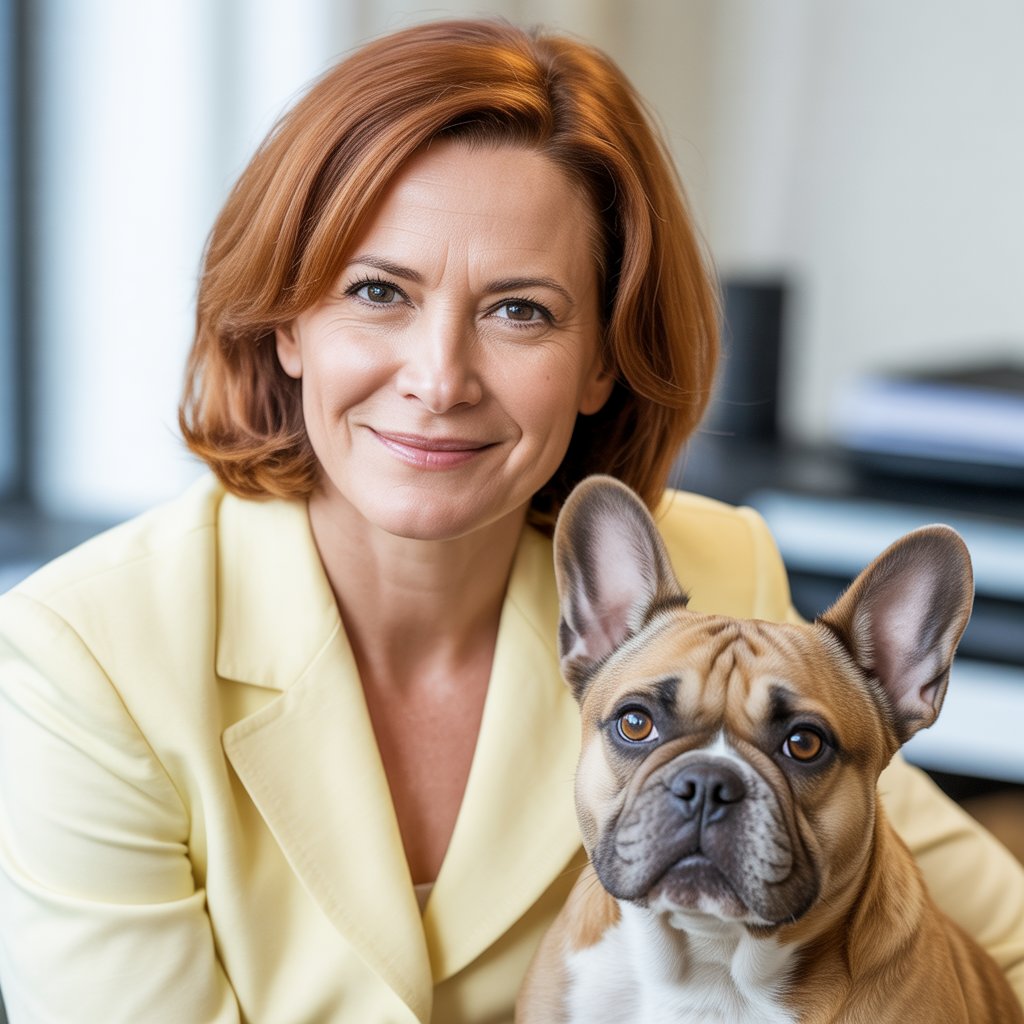
Dr. Isabella Laurent is a French Bulldog specialist with more than 17 years of dedicated experience working exclusively with the breed. Her career has been built on traditional canine knowledge, practical observation, and a deep respect for the historical standards that define the true French Bulldog.
She holds a degree in Veterinary Medicine and advanced training in Canine Reproduction and Breed Health Management. Over the years, Dr. Laurent has focused her work on responsible breeding, genetic balance, and long-term well-being, prioritizing structure, temperament, and overall vitality as they were valued by classic breeders.
As an author and consultant, she shares her expertise through educational content, breeding guidance, and professional collaborations with kennels and veterinarians. Her work is widely respected for combining scientific knowledge with time-tested breeding principles, helping preserve the integrity of the French Bulldog for future generations.