
How to train while respecting the breed’s temperament: read your Frenchie’s cues
Frenchies wear their feelings on their face — watch them. Start each session by checking energy: bright-eyed and wiggly, or slow and warm? That tells you whether to play a short game or do a calm cue like “sit” or “touch.” How to train while respecting the breed’s temperament means you match your plan to your Frenchie’s mood, not force a marathon when they’re saying “five minutes, please.”
Use short, tasty rewards and tiny wins. French Bulldogs love people and praise but get bored with long drills. Ten- to fifteen-minute bursts, or even 3–5 minute focused bursts, a bit of play, then a break works wonders. If your Frenchie stares at you and tail wags, you’re in the pocket for learning; if they yawn or look away, switch to something gentler or call it a day.
Keep a mental log of cues you see over time. Maybe your dog yawns before they lose focus or lifts a paw when unsure. Jot that down on your phone so next session you can adapt. Over weeks you’ll read them like a friend — learn their signals, adjust your pace, and training will feel more like teamwork than a lecture.
Calm vs excited body language
Calm Frenchies have relaxed mouths, soft eyes, slow metronome-like tail wags, steady breathing, neutral ears, and they accept treats without lunging. When you see this, choose training that builds skills slowly: soft praise, gentle shaping, and tasks that reward quiet focus.
Excited body language is louder: quick panting, stiff posture, intense stare, bouncing or barking. That’s not great for complex learning. When your Frenchie is amped, do short impulse-control games like “wait” or “leave it,” then calm them with a slow walk. You’ll save frustration and get better results.
Use temperament-based dog training
Match your methods to your Frenchie’s personality. If yours is clingy and prize-driven, use food and short cuddle breaks as rewards. If they’re stubborn and independent, turn training into a choice-driven game — let them make a decision, then reward the right one. Small autonomy keeps them curious and cooperative.
Be consistent but gentle. Frenchies respond poorly to loud corrections or long, boring repetitions. Swap harsh tones for a firm one-word cue and quick redirection. For tricky behaviors, break tasks into tiny steps and celebrate tiny wins so learning happens without stress.
Watch for heat and breathing signs
French Bulldogs overheat and struggle with heavy breathing fast. Pause at the first sign of trouble: loud prolonged panting, blue gums, drooling, or wobbliness. Train in cool hours, use shady spots, keep sessions brief, and have water and a fan handy. If breathing sounds labored, stop immediately and seek calm care or vet help.
Low-energy breed training strategies for your Frenchie
Frenchies are built for short bursts, not marathons. Start small: five-minute drills, a quick game, then a break. Use toys, treats, and praise to keep things fun. If you’re wondering How to train while respecting the breed’s temperament, this is it — short, consistent, and gentle.
Think of training like baking cookies, not running a bakery: mix brief lessons, check progress, and repeat. Teach basics first — sit, come, loose leash — using high-value treats. Change the game bit by bit so your Frenchie stays curious and doesn’t get bored.
Keep exercises low-impact to protect joints and breathing. Swap long runs for mental puzzles, scent games, and easy walks. Small wins add up fast and build trust between you and your Frenchie.
Short, frequent sessions work best
Aim for two to five short sessions a day. Five minutes of focused work beats one long hour. Break tasks into tiny steps so your Frenchie can win often. Pick regular times: before meals, after naps, or when you come home. Mix training types — tricks, manners, recall — to keep things fresh.
Avoid long runs and overheating
French Bulldogs have short snouts and can overheat quickly. Long runs or intense play on hot days can be dangerous. Choose early morning or late evening for walks, skip hot pavement, and look for shady routes. If a session gets too hot or your pup pants hard, stop and cool down.
Give planned rest breaks
Build rest into every session: a minute of play, then a five-minute rest with a chew toy or mat time. Use a timer so you don’t push too far. Planned breaks help your Frenchie recover and keep training positive.
Reward systems matching breed personality
French Bulldogs are stubborn, silly, and very people-focused. That means your reward plan should match that mix. Keep sessions short, lively, and full of quick wins so your dog stays interested. Watch what makes your dog wag fastest and use that as your main reward.
Personality varies: some are couch potatoes who want pets; others light up for food or a squeaky toy. Try a few rewards, watch which gets the biggest response, and lean into it. Keep safety in mind — heat and breathing limit heavy play, so favor rewards that don’t force long bursts of activity.
Food, toys, or praise — pick what motivates your dog
Food is the classic winner. Small, tasty bites like tiny pieces of cooked chicken, soft training treats, or a dab of plain cheese can turn your Frenchie into a focused student. Use tiny pieces so you don’t overfeed and keep rewards instant.
Toys and praise work too, but many Frenchies prefer calm games or gentle petting. Praise with a happy tone, quick pets, or a one-minute play session can be as powerful as a treat. Rotate toys and mix praise and food until you find the right combo.
Keep rewards small and consistent
Little and often wins. Short sessions and tiny treats mean faster learning and fewer calories. Consistency matters: same cues, same timing, same reward type so your dog doesn’t get mixed signals. Get the household on board — consistent rewards speed habit formation.
Use easy-to-chew treats
Frenchies have short snouts and compact jaws, so soft, moist treats are safer and easier to eat. Pick tiny, soft bites, paste-style treats, or soak kibble briefly to soften it. Avoid hard, crunchy treats that take long to chew.
Socialization by breed temperament
Frenchies love people but can be sensitive or stubborn in new situations. How to train while respecting the breed’s temperament means moving at your Frenchie’s pace, rewarding calmness, and keeping sessions short so they don’t shut down.
Watch body language like a roadmap: ears back, whale eye, lip lick, or freezing are red flags. Let curiosity lead but don’t push past the point where your dog retreats. Socializing is long-term planting: small seeds, steady water, not a flood.
Make a plan that fits your life: quiet home visits, calm dog friends, and short public outings. If your Frenchie does well with one kid but not a group, build from there. Real examples stick: one gentle neighbor at a time turned a shy pup into a wagging machine.
Gentle exposure to people and dogs
Start slow and friendly. Let your Frenchie choose the distance. Ask guests to ignore your dog at first, then offer a treat if your dog moves closer. For dog-to-dog meetings, pick a calm buddy on a loose leash and a quiet space. Keep greetings brief and praise polite interactions.
Start early with short visits
Puppies soak up experience in that early window. Short, positive five- to ten-minute visits to different people, sounds, and places are gold. End on a high note before your pup tires and slowly lengthen the time and challenge.
Stop if stress shows
If your Frenchie freezes, hides, yawns a lot, or tucks the tail, back off immediately. Move to a quiet spot, offer water, and let them regain composure. Try again later at a lower intensity.
Gentle training for sensitive breeds like French Bulldogs
French Bulldogs read you like a book — they pick up your tone, pace, and heartbeat. Start small: five-minute sessions, simple cues, lots of treats and soft praise. A Frenchie learns faster when it feels safe, not scared.
Think of training like a slow dance, not a sprint. Move with gentle hands and steady eyes. Repeat friendly steps until your dog trusts the pattern; trust makes learning quick because your Frenchie wants to please without fear.
I once worked with Gus, a heavy-breathing Frenchie who froze at raised voices. We switched to soft clicks and tiny treats. Within a week he offered the behavior just to see the smile. That steady, patient approach builds a bond that feels like friendship, not bossing.
Skip harsh corrections and loud scolds
Harsh corrections shut a Frenchie down. Yelling often causes hiding or freezing — not learning. Redirect and reward instead. Swap a wrong move for an alternate cue and reward the switch. Brief time-outs or calmly removing attention work better than raised tones.
Build trust with calm routines
Routines give your dog a map. Set regular training times, the same spot, and the same few toys. Predictability helps a sensitive breed relax and pay attention. Mix training into daily life: a sit before meals, a down before leash clips, or a wait at the door. Those tiny checks strengthen manners without pressure.
Reward quiet progress
Celebrate small wins with treats, gentle petting, or a favorite toy. If your Frenchie holds a sit a second longer, mark and reward it. Quiet progress means moving the goalpost slowly; every tiny step deserves praise so your dog learns patience equals reward.
Breed-specific training methods and gear choices
When you ask How to train while respecting the breed’s temperament, treat your Frenchie like a small, stubborn teammate. Short training bursts, frequent repetition, high-value treats, and praise teach skills without wearing them out.
Gear matters. Pick soft harnesses, wobble-free toys, a quiet marker or clicker, and mats for grip on slick floors. Swap collars for harnesses to avoid throat pressure. Little gear tweaks cut risk and make training feel fun.
Make a weekly rhythm: quick leash trips, two short training blocks, and a puzzle toy session before bed. Watch breathing and interest—stop before they overheat or lose focus. Read tiny signals and adjust immediately to keep steady progress.
Use harnesses over collars for breathing safety
A harness spreads pressure across the chest instead of the throat, which is key for flat-faced dogs. Choose a padded, front-clip or back-clip harness that fits snugly but lets two fingers slide under the strap. Let your Frenchie sniff and get used to it indoors first.
Adjust pace for brachycephalic needs
Think sprinter, not marathoner. Short sprints, light play, and slow obedience practice suit them best. Avoid long runs, hot pavements, and high jumps. Swap big aerobic workouts for brain games when it’s warm. If they wobble or slow, sit down, offer water, and give a break.
Check vet clearance before exercise
Before you raise intensity, check with your vet for any breathing, heart, or spine limits common in Frenchies. Ask for specific exercise guidelines and warning signs to stop. A vet’s OK lets you train with confidence.
Use working-dog mental stimulation techniques with care
Working-dog drills can light up your Frenchie’s brain, but tone down intensity. Short, sharp tasks beat marathon sessions. Keep sessions brief, pick tasks that reward success fast, and watch for heavy breathing or refusal — those are stop signs.
Ask yourself, “How to train while respecting the breed’s temperament?” Adapt pace and pressure: frequent breaks, softer rewards, and lower physical demand. Swap long runs for quick scent hunts and bite-sized puzzles to get mental payoff without overdoing it.
Nose games and short problem tasks
Nose games are your secret weapon. Hide kibble in a towel, do a shell game, or scatter food around the room. These tap into sniffing instincts and burn mental energy without raising heart rate. Start easy and make tasks a hair harder each time, watching breathing and excitement.
Puzzle toys in supervised sessions
Choose puzzles with large pieces or sliding openings and sit with your dog to celebrate wins and step in if frustrated. Rotate difficulty slowly: if your Frenchie solves one puzzle every time, bump it up a notch; if they get stuck, lower the challenge or show the answer once.
Rotate activities to avoid boredom
Swap activities every few days — sniff work one day, a short drill the next, then a gentle puzzle — so your Frenchie doesn’t get stuck on repeat. Rotation keeps the brain guessing and makes each session feel fresh.
What you can borrow from herding breed training tips
Herding dogs bring sharp focus, clear signals, and quick shifts — qualities you can borrow for your Frenchie in short, bright drills that ask for one thing at a time. Use tight routines and strong markers: short cues, a clear reward, and steady repetition.
Channeling energy into a job-like game helps: your Frenchie won’t herd sheep, but they’ll love tasks that mimic the job. That keeps them calm, confident, and less likely to blow a fuse in the middle of the day.
Add impulse-control games, gently
Start with tiny wins. Teach wait at mealtime by asking your dog to sit and hold for two seconds before you set the bowl down, then add a second each meal. Try the shell game or a slow tug with a clear release cue. Keep sessions under five minutes and watch breathing.
Teach clear short cues and markers
One-word cues win. Use “sit,” “wait,” “take,” and “leave” rather than sentences. Pick a happy marker like “Yes!” or a clicker and use it the instant your dog gets it right, then give the treat. Over time you can swap treats for play or petting and the marker still lands.
Scale intensity to your dog
Tune every drill by watching your dog. Shorten sessions on hot days. Lower game speed if breathing gets loud. If your Frenchie shines, add a small challenge; always back off before they get tired or overstimulated.
Safety-focused training for home, visitors, and emergencies
Safety training is about calm control more than marathon runs. Link cues to a safe place and calm behavior: teach a mat or bed as a go-to spot and pair it with calm greetings for visitors. Build a short emergency recall that works when your dog is distracted. How to train while respecting the breed’s temperament means working within your Frenchie’s comfort — no long drills, lots of praise, and rewards that make sense to them.
Set realistic goals: a mat stay for guests, a fast recall in the yard, and steady responses during sudden events. Practice these in tiny steps, proof them in different rooms, and always end on a good note.
Teach go-to mat and calm greetings
Pick a mat that smells like you and put it near the door. Lure your dog onto the mat with a treat and say a single cue like mat or place. Reward calmly while your dog lies down. Keep first sessions short and repeat several times a day until your dog goes there without a treat.
Proof the mat with real-life practice: ring the bell and ask your dog to the mat before opening. Have a helper act excited while you quietly reward the stay. Gradually increase the wait and number of guests.
Practice short emergency recall drills
Choose one emergency word like now or here now and only use it for urgent returns. Train it in a low-distraction space with high-value treats. Start close, call once, reward instantly. Keep sessions short — five fast reps is enough. Gradually add distance and mild distractions using a long line.
Reinforce reliable responses
Never call your dog to punish. Mix rewards so the cue always means something good: treats, praise, a quick game, or a scratch behind the ears. Practice during daily life — call them for dinner, a walk, or a cuddle — so the cue always predicts reward.
Quick checklist: practical reminders for trainers
- Read your Frenchie’s cues before you begin.
- Keep sessions short (3–15 minutes), frequent, and fun.
- Use small, soft treats and calm praise.
- Prefer harnesses to collars for breathing safety.
- Rotate mental and low-impact physical tasks.
- Stop at first sign of overheating or stress and consult a vet if needed.
- Reinforce emergency recall with high-value rewards only.
Conclusion: How to train while respecting the breed’s temperament comes down to patience, observation, and pacing. Short, consistent, low-impact sessions that honor your Frenchie’s signals will teach skills faster and build a happier bond.
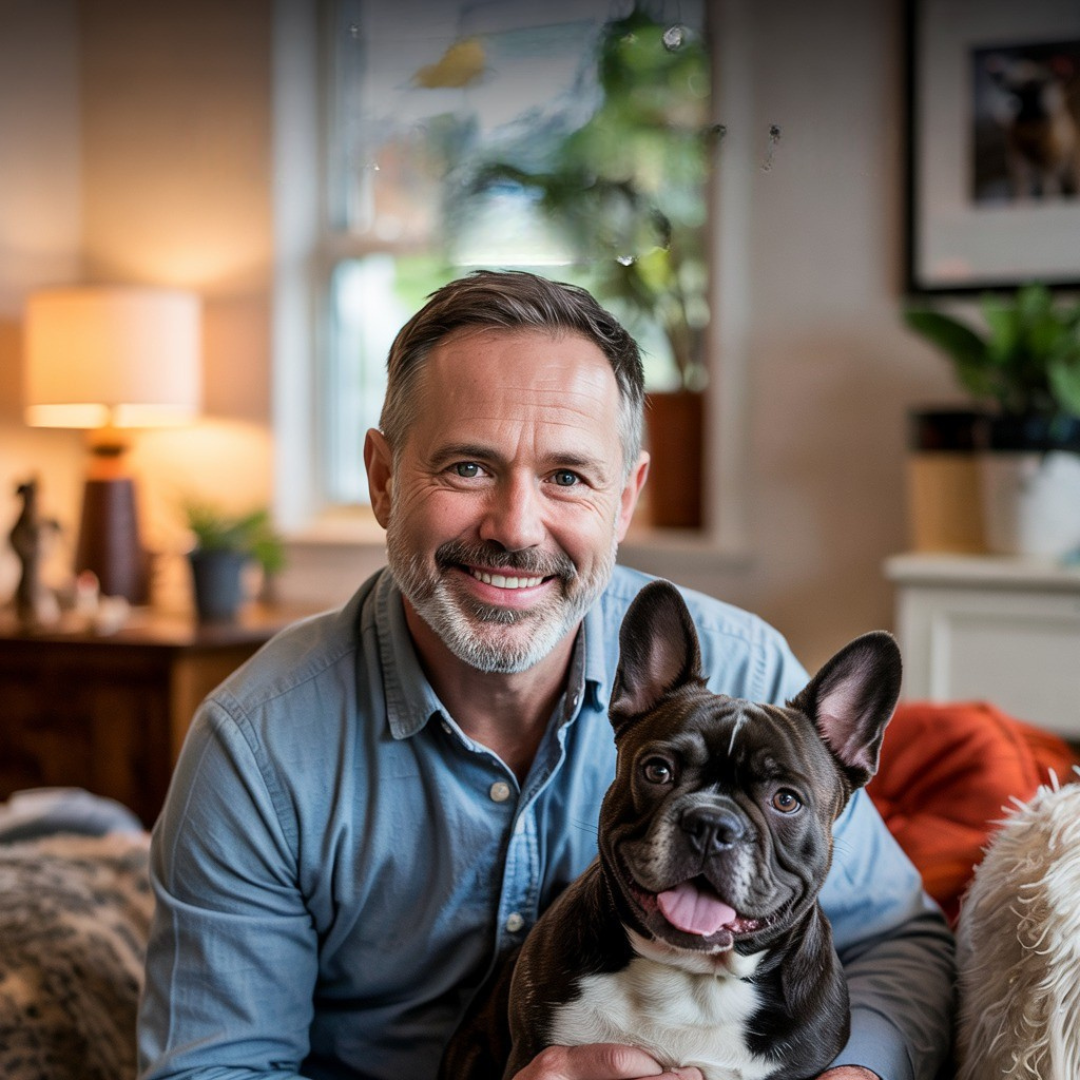
Dr. Alexandre Matheusu is a French Bulldog specialist with over 20 years of hands-on experience dedicated exclusively to the breed. Throughout his career, he has worked closely with responsible breeders, veterinarians, and kennel clubs, always respecting the traditional standards that shaped the French Bulldog into the companion dog it is today.
He holds a degree in Veterinary Medicine and a postgraduate certification in Canine Genetics and Breeding Management. Over the years, Dr. Moreau has focused on preserving breed health, correct morphology, and balanced temperament, following classical breeding principles passed down by experienced breeders.
Recognized for his deep knowledge and practical approach, he has advised kennels across Europe and the Americas, participated as a consultant in breeding programs, and contributed to educational materials aimed at protecting the future of the French Bulldog.
Humanize 274 words