
How the temperament of the French Bulldog indoors shows calm signs
You’ll see calm in small things: a Frenchie who settles on the rug, blinks slowly, and snores softly is showing clear signs of comfort. Their energy is steady, not frantic. When your dog prefers to nap near you rather than pace, that quiet contentment is a big clue that the temperament of the French Bulldog indoors is relaxed and happy.
The indoor pace matters. If your French bulldog greets the day with short bursts of play, then returns to loafing by a sunny window, you’re watching balanced energy. These dogs love company, so a calm dog will stay near you without demanding constant attention — like a calm roommate who enjoys company but respects your space.
Keep an eye on breathing and temperature because calm can hide problems. Heavy panting, long pauses between breaths, or sudden restlessness aren’t part of a healthy calm. If your pet shows odd breathing, open-mouth breathing at rest, or becomes listless, check with a vet—breathing issues can upset that peaceful indoor temperament.
How you spot calm indoor French Bulldog behavior
You spot calm when their body relaxes: soft eyes, loose jaw, and a tail that wags slowly or just rests. Your dog will look at you with gentle interest and then go right back to resting. That slow shift from alert to relaxed is a trust signal — they feel safe.
Watch daily habits. A calm Frenchie will choose the same spots for naps, accept handling, and play gently. If they come for pets then settle down at your feet, that steady pattern tells you they’re emotionally steady. Changes in these habits are your early warning light.
Common calm behaviors you’ll see at home
Napping in familiar spots, leaning against you, and light snoring are classic calm behaviors. They may give a soft bark to check in, then tuck themselves away. Those small rituals—yawning, stretching, slow tail wags—are their way of saying, I’m good here.
Meal and play routines stay gentle. At feeding time they eat with focus, not frenzy. During toys or short play, movements stay soft and controlled. If they suddenly lose interest in food or become hyperactive, that’s a sign to pay attention.
Read their relaxed body language
A relaxed French Bulldog shows loose muscles, a soft mouth, half-closed eyes, and a belly that’s easy to touch; their breathing is steady and calm. Those signals tell you they’re comfortable and trusting, so when you see them, you can relax too.
How you manage French Bulldog indoor energy
Understanding The temperament of the French Bulldog indoors helps you plan play and rest so your home stays calm and happy. These dogs have bursts of excitement and then long naps, like little engines that need short refuels. Watch for panting and heavy breathing; those are signals you should slow the pace and offer a cool spot.
Set up the space so play is safe and quiet. Give your dog puzzle toys, soft chew items, and a couple of reachable hiding spots for treats. Rotate toys to keep interest high and prevent boredom without needing long games that wear them out.
Read your dog’s signals every day. If you see the zoomies, let them run a short time. If they lag or wheeze, switch to gentle petting or a nap. Consistent short activities beat one long tiring session every time.
Set play times for French Bulldog playfulness inside
Plan two or three short sessions a day, about 10–15 minutes each. Use indoor games like tug, hide-and-seek with treats, or a short fetch down a hallway. Those mini workouts give them joy without pushing their breathing.
Make transitions smooth so play ends calmly. After a session, offer a quiet chew or a cool mat and use a simple cue like settle. Rotate toys to keep things fresh and give your dog familiar signals that it’s time to slow down.
Use short walks to protect their breathing
French Bulldogs are brachycephalic, so short walks are safer than long hikes. Keep outings to cool parts of the day and move at an easy pace. Think of walks like gentle coffee breaks, not marathons.
Use a comfortable harness, avoid stairs and hot pavement, and watch closely for signs like heavy panting or a blue tinge around the lips. If you see a wheeze, head home and let them rest.
Create a daily indoor routine
Build a clear routine with morning play, a mid-day nap, a short walk, and a calm training or cuddle session before bedtime; consistency helps your dog predict activity and lowers stress. A quiet corner or crate acts as their safe, cool retreat.
How your French Bulldog behaves with children indoors
Your Frenchie often acts like a small couch buddy. Inside the house, they are usually affectionate, low-energy, and happy to nap near the kids. The temperament of the French Bulldog indoors tends to be calm, but they can get excited in short bursts—think of them as a tiny engine that idles most of the day.
You’ll see a mix of play and patience. Many French Bulldogs are gentle with soft hands and slow movements. They tolerate hugs and gentle wrestling better than many breeds, but they don’t love roughhousing. Watch for quick signs like heavy breathing, lip licking, or moving away—those are brief warnings that your dog needs a break.
Think of your home as a stage where everyone learns the script. Kids test boundaries. Dogs respond. You can shape good scenes by giving your Frenchie quiet spots, clear rules, and short playtimes. With consistency, your dog becomes a polite co-star: calm in the living room, curious during play, and ready to rest when things get noisy.
Signs your French Bulldog is gentle with kids
A gentle Frenchie will offer slow wags, soft eyes, and will lean into kids rather than snap away. They’ll take treats with a soft mouth and stay close without growling or stiffening. If your dog lies down and exposes their belly or rolls onto their side, that’s trust—an easy-to-read sign they feel safe.
You’ll also see patience in how they handle touch. They won’t nip when grabbed, and they tolerate small hands exploring their ears or tail. Still, a gentle dog may ask for breaks by walking off or resting in a quiet corner. Respect those pauses; they’re normal and healthy.
Teach kids safe ways to touch and play
Start by showing kids how to give a slow, calm pet with an open hand on the dog’s shoulder or chest — no poking at the face. Use simple rules: gentle pats, no tail or ear pulling, and no sudden loud noises. Make it a game to whisper to the dog or read a short story while the dog relaxes; that teaches calm interaction.
Pick safe play choices like short fetch with a soft toy or hide-and-seek with treats. Avoid high-energy chase or rough tug that can stress a brachycephalic breed. Keep sessions short and sweet. Praise both the kid and the dog when they play nicely so good habits stick.
Always supervise small child interactions
You must supervise every moment a small child is near your Frenchie. Stay close enough to step in, redirect, or separate them if the dog shows stress. Never leave them alone together, even for a minute, because small kids move fast and dogs get tired fast.
How you spot separation anxiety and stress indoors
You can tell your Frenchie is upset when normal habits change fast. Look for sudden whining, pacing, repeated scratching at doors, or destructive chewing of furniture and shoes. These are loud signals that your dog feels alone or anxious, not just bored.
Use simple checks to watch for stress. Leave a phone camera or a pet cam to see what your dog does after you leave; many symptoms—howling, repeated licking, or going to the spot where you left—show up only when you’re gone. Note if accidents happen inside despite being house-trained; that’s a clear red flag for separation anxiety.
Body language gives you clues you can’t ignore. Rapid panting without exercise, yawning, lip licking, and a tucked tail often mean stress, while sudden aggression or hiding can mean fear. Track patterns: time of day, what you did before leaving, and how long it takes for your dog to calm down when you return.
Common signs of French Bulldog separation anxiety indoors
Many French Bulldogs start with clingy behavior: following you from room to room and refusing to settle. If your dog gets restless the moment you reach for your keys or put on shoes, that’s a predictable cue that separation stress is building.
When the anxiety grows, behaviors intensify. You may see chewed doors, soiled bedding, nonstop barking, or self-injury from frantic scratching. These are not bad manners; they’re distress signals. Treat them as you would a fever—something needs attention.
Why health issues can mimic stress in your dog
Physical problems can look like anxiety. Pain from arthritis, ear infections, or dental disease can make your Frenchie restless and irritable, which looks a lot like separation worry. If appetite or bathroom habits change suddenly, think medical first.
Breathing issues are common in short-nosed breeds and can cause panting, drooling, or sleep disruption that you might mistake for stress. Allergies, gastrointestinal upset, and neurological conditions also create behaviors that mimic anxiety. A quick vet check rules out medical causes before you focus on behavior alone.
When to seek vet or trainer help
If your dog shows signs of injury, blood in stool or urine, rapid weight loss, collapse, or persistent self-harm, contact a veterinarian immediately. For chronic barking, destructive patterns, or panic at departures that don’t improve, a certified trainer or behaviorist can create a calm plan with you.
Why the indoor temperament of French Bulldog fits your apartment
Frenchies are low-energy and love being your couch buddy. They pack a big heart in a compact package, so they don’t need a yard to be happy. The temperament of the French Bulldog indoors makes them great for small spaces because they prefer short play bursts and lots of lap time over long runs.
You won’t have to carve out hours for intense exercise. Short walks and indoor play keep them satisfied, and they handle apartment life well if you watch their breathing and heat sensitivity. Give them cool spots and short activity sessions, and they’ll be calm and content.
They’re social and usually quiet, greeting guests with a wiggle instead of chaos. With simple training and mental enrichment—puzzle toys, short tricks—you get a friendly dog that fits city life. Think of them as a compact roommate who loves your routine.
How French Bulldog apartment temperament helps your lifestyle
If you have a busy schedule, a Frenchie fits right in. They’re happy to relax while you work, and they don’t demand long hikes. That means more time for your projects and still coming home to a wagging friend. Their steady temperament feels like a warm blanket after a long day.
They adapt to different routines—studios, shared flats, or a quiet townhouse. Train them in small steps so they handle being alone for a few hours. Use short games and consistent cues to cut down on stress. Small daily walks and cuddle breaks make life easier for both of you.
Tips to adjust your space for a calm Frenchie
Make a simple, safe layout. Use non-slip rugs on slick floors, low steps or ramps for furniture, and stash small items that could be chewed. Keep a cool spot with good airflow because they can overheat fast. Little fixes go a long way toward calm behavior.
Set up routines and calming corners. Rotate puzzle toys and chews so they stay interested. Close curtains to limit street distractions and use a short daily training slot to burn mental energy. A predictable day helps them relax and keeps your apartment peaceful.
Provide a quiet sleep spot
Pick a quiet sleep spot away from drafts and loud windows. Use an orthopedic bed or bolstered cushion, add a soft blanket with your scent, and keep a small white-noise fan on if traffic wakes them. A steady bedtime routine signals wind-down and keeps nights calm.
How training shapes your Frenchie’s indoor temperament
Training sets the tone for how your Frenchie behaves at home. When you teach simple rules, your dog learns where to relax and where to be alert. The temperament of the French Bulldog indoors changes fast when you give clear signals, so a calm house often starts with short, regular practice sessions.
Think of training like planting a garden: small seeds of habit grow into steady behavior. If you reward quiet moments, your Frenchie will choose calm more often. Use short sessions, friendly praise, and tiny treats so your dog links good manners with pleasant outcomes.
When you correct gently and reward quickly, your Frenchie learns the house rules without fear. That builds trust and reduces bouncing, barking, or pacing. With steady cues, your pup will know when to be playful and when to chill.
Use short rewards to teach indoor manners
Give feedback right away. A quick treat or a soft “good boy/girl” after the right action teaches your dog fast. Keep treats tiny so training stays focused and your Frenchie doesn’t get full. Short, frequent rewards keep attention high and make habits stick.
Mix food with praise and petting so your dog values calm more than chaos. For example, reward a quiet sit by the door when guests arrive. That small reward makes your Frenchie associate calm with paying attention instead of jumping. Be upbeat and consistent to get better results.
Socialize inside to build calm Frenchie behavior at home
Bring new people, sounds, and objects into the home in small steps. Let your Frenchie meet a friend for a minute or two, then give a treat and a break. Gradual exposure helps your dog accept change without getting wired. Indoors is a safe stage for this work.
Use everyday moments—vacuuming, visiting relatives, TV noise—as training chances. Praise calm responses and ignore overreacting when it’s safe. Over time, your dog learns that home is a low-key zone where surprises don’t mean panic. That turns nervous energy into relaxed attention.
Be consistent and patient
Stick to a routine and repeat the same cues so your Frenchie doesn’t get mixed messages. Be patient; small breeds can take time to learn new limits. Gentle, steady practice beats loud corrections every time and builds lasting, calm habits.
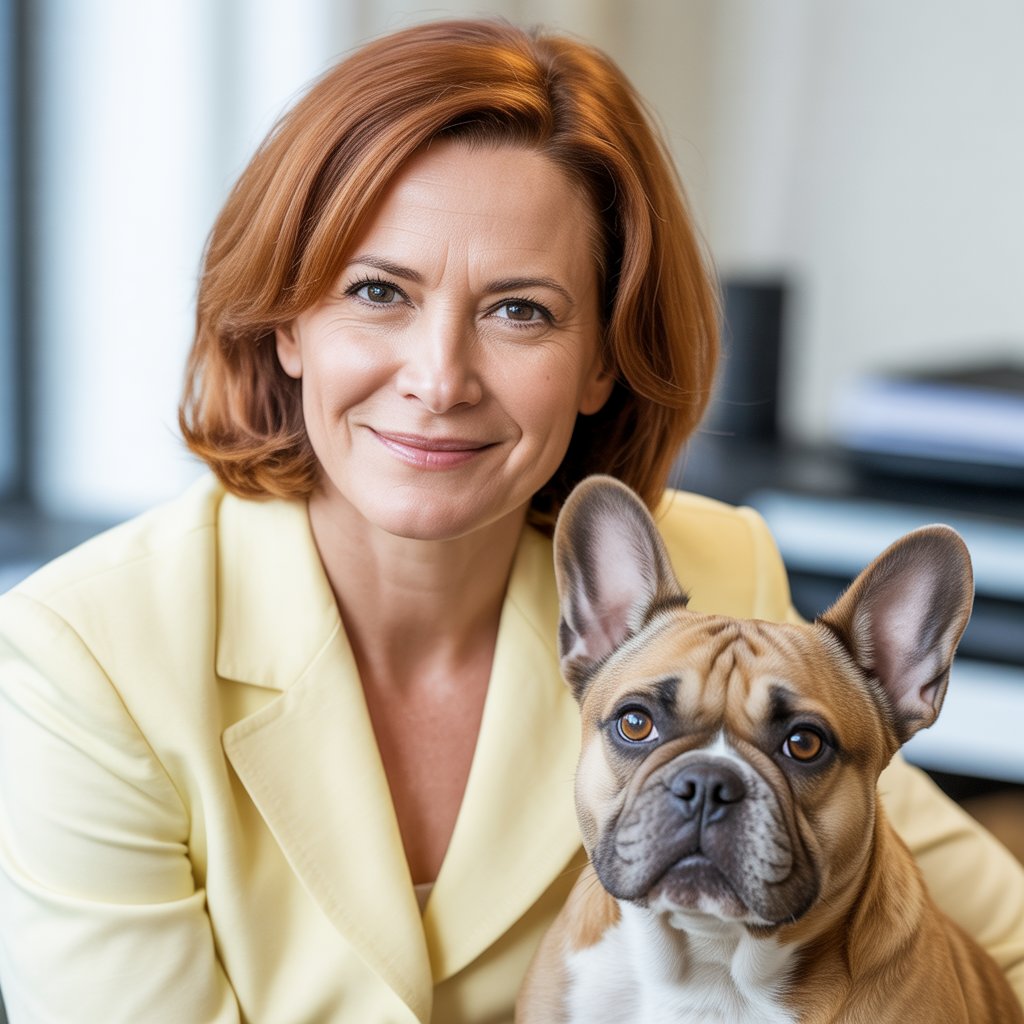
Dr. Isabella Laurent is a French Bulldog specialist with more than 17 years of dedicated experience working exclusively with the breed. Her career has been built on traditional canine knowledge, practical observation, and a deep respect for the historical standards that define the true French Bulldog.
She holds a degree in Veterinary Medicine and advanced training in Canine Reproduction and Breed Health Management. Over the years, Dr. Laurent has focused her work on responsible breeding, genetic balance, and long-term well-being, prioritizing structure, temperament, and overall vitality as they were valued by classic breeders.
As an author and consultant, she shares her expertise through educational content, breeding guidance, and professional collaborations with kennels and veterinarians. Her work is widely respected for combining scientific knowledge with time-tested breeding principles, helping preserve the integrity of the French Bulldog for future generations.