
Genetics and Frenchie temperament
You’ll find that genes act like a recipe for your Frenchie’s personality. A mix of hereditary signals tells you if your dog leans more playful, stubborn, or cuddly. Think of it as mixing batter: small changes make a big difference in the final cake.
When you meet two Frenchies that seem worlds apart, you’re seeing that recipe play out. Some traits are loud and visible, like how much your dog wants to play; others hide behind the scenes, shaping how your pup reacts to strangers or noisy streets. You can’t predict everything from genetics, but looking at family lines and early puppy behavior gives a strong hint about day-to-day life and helps you pick training, socialization, and routines that suit your dog.
Genetic influence on dog temperament
Genes set the stage for basic drives like sociability, fear response, and energy. For example, pups from calmer lines often handle busy places better, while those from working or high-energy lines need more play and mental outlets. Environment still shapes how those genes show up: a shy puppy given gentle exposure to people can grow confident. Your daily choices — play, training, and handling — tune those genetic dials.
How breed history affects behavior
French Bulldogs were once companion dogs for city folk and artisans. That history favors people-focused and adaptable traits: they often want to be near you and pick up household rhythms fast. Because they were bred for companionship more than work, many Frenchies show low prey drive and a high desire for attention, which makes them great lap dogs but can mean separation stress if left alone too long.
Key genetic traits to know
Pay attention to sociality, fear threshold, and energy level in a litter; these three traits give the clearest early clues about temperament and help you prepare training and bonding plans.
Socialization and your French Bulldog
Does each French Bulldog have a different temperament? Yes — and socialization is one big reason why. Two puppies from the same litter can grow into very different dogs because of what they saw, heard, and felt as pups. Think of early days like clay: your choices shape the final piece. A pup that meets many friendly people and calm dogs tends to be confident and relaxed; a pup kept isolated may become shy or wary.
Make socialization small, happy steps: short outings, gentle handling, and lots of positive rewards when your Frenchie stays calm. Mix in different sounds, surfaces, and people. Keep sessions brief so your puppy learns with curiosity, not stress. Practical moves work best: supervised playdates, puppy classes, car rides, and on-leash meetings with friendly dogs. Teach basic cues like sit and stay during these moments so learning happens in real life. If your Frenchie freezes or barks, back off and try a gentler step next time. With patience and consistency, your choices will shape a well-rounded companion.
How early experiences shape personality
Puppyhood is a sensitive window where small events leave big marks. Between roughly three and twelve weeks, your puppy learns what is safe and what is scary. A happy greeting, a calm grooming session, or a frightful fall can all influence how your dog reads the world. Breeders and first homes play a big role: puppies handled often and exposed to household sights and sounds tend to be bolder; pups shipped early or kept away from people may show more anxiety. Genetics matter too, but early care nudges personality strongly.
Socialization impact on French Bulldog behavior
Socialized French Bulldogs usually greet guests with a wag or a wiggle instead of barking or hiding. They learn to read social cues, which lowers fear, reduces reactive barking, and improves manners around toys and food. Poor socialization often shows as nervousness, overexcitement, or guarding—issues that make walks or vet visits harder. The fix is steady, gentle work: pair new experiences with treats, stay calm, and repeat. Training and socialization go hand in hand—the former teaches rules, the latter gives real-world practice.
Socialization timeline for puppies
Start early and stay steady: 3–12 weeks is the prime window for friendly exposure, with 8–16 weeks crucial for meeting people and pets safely; continue guided experiences through adolescence and into adulthood. Begin with quiet visits and handling, then add short outings, varied surfaces, and calm dog meetings. Keep sessions short, reward calm behavior, and increase challenge slowly.
Does each French Bulldog have a different temperament?
Yes — each French Bulldog can show different temperament. Think of temperament like a starting sketch of behavior. Genes give that sketch shape, but life fills in the color. Some Frenchies are calm couch potatoes, while others are lively jokers who chase shadows. Puppies from the same litter can react very differently to the same toy or stranger because early experiences and tiny health differences change responses. Pay attention in those first months; they tell you a lot.
What you do next matters. With the right socialization and consistent training, you can nudge a shy pup to be friendlier and keep a bold one from becoming rowdy. Still, the base temperament stays part of who they are—a personality blueprint.
Individual temperament — what to watch
When you meet a Frenchie, watch small things: tail wag speed, how they greet people, whether they prefer laps or sleep. Medical and comfort factors shape those habits too—a dog with breathing trouble may seem low energy. If you spot sudden shifts, check health first, then use play and praise to build desired traits.
Do French Bulldogs have different personalities?
Yes—temperament and personality are related. Temperament is the raw material; personality grows from how you raise them, their friendships, and daily routines. Two Frenchies with similar temperaments can end up with different personalities based on training, exercise, and social exposure. Consistency and predictable rules help a Frenchie feel secure and show their best side.
Why each dog can feel unique
Each dog feels different because of a mix of genes, early handling, health history, and the kind of life you give them. Small changes—a caring human, a scary noise, or a chronic ache—can alter the final flavor.
Comparing temperament across Frenchie litters
You can spot patterns when you look at several litters from the same parents. Genetics pass down a baseline for temperament—things like play drive, calmness, and vocal tendencies. Breeder habits matter: pups handled a lot are usually friendlier and less shy.
Still, each puppy can be its own character. One pup may be a couch clown while its sibling prefers quiet corners. Early socialization and how the dam cares for her pups shape those differences fast. To answer the question, “Does each French Bulldog have a different temperament?”—you’ll see family trends, but individual personality often wins out. Observe the pups and meet the parents before you decide.
Litter patterns versus individual differences
Litter patterns give a useful map. Pups from the same parents often share key traits—look at energy level, reaction to strangers, and play style. But don’t expect carbon copies: small factors (where a pup slept, which pup got more milk, tiny health hiccups) can shift personality. Trust your observations more than promises.
French Bulldog temperament variability
Frenchies usually love people and lap time, yet there’s real range—some are needy and playful, others quiet and stubborn. Health issues like breathing problems can reduce activity or make a pup cautious. You shape a lot with your choices: the early weeks are the biggest window to influence temperament. Calm exposure to people and sounds, simple play, short walks, and gentle training steer personality in a friendly direction.
What to expect between litters
Expect a familiar baseline but room for surprises: litters from the same dam can be similar, yet different sires, the dam’s health, or home changes create shifts. Plan for a common baseline, but be ready for a joyful surprise when a pup shows its own spark.
Breeder selection and temperament outcomes
When you pick a breeder, you shape more than looks. Breeders set the stage for temperament by how they raise puppies for the first eight weeks. Puppies handled gently, exposed to visitors, and given varied sights and sounds tend to grow into calmer, braver adults.
A good breeder will show you parents and explain lineage and behavior. Watch the adult dogs—are they friendly or nervous? Ask to see puppy reactions to new things. A breeder who keeps notes on puppy behavior and talks openly about health and temperament is more likely to place dogs where they’ll fit well.
Breeder selection and French Bulldog temperament
Look for breeders who test breeding dogs for health and who do simple behavior checks. Ask if they note which puppies are bold or shy and how they match pups to homes. If the breeder rushes you or avoids showing the parents, pause. Honest conversation about training and socialization shows care for long-term behavior.
Health screening and behavior links
Health problems change how a dog acts. Pain, breathing trouble, and ear infections can make a Frenchie snappy or withdrawn. When breeders run health screening—hip/spine checks, breathing evaluations, eye exams—they reduce one big cause of behavior issues. A dog that feels good is more likely to be playful and open. Ask about tests and results; health checks are preventive care for both body and mind.
Questions to ask a breeder
Ask direct questions: What are the parents like? What health tests were done and can I see results? How were puppies socialized and handled? Do you offer a health contract or return policy? How do you match puppies to homes?
Assessing and managing temperament at home
You can learn a lot by watching your Frenchie day to day. Note reactions to visitors, loud noises, and other dogs. Keep a simple log for a week: times they sleep, play, eat, and show stress. Those notes reveal patterns in energy, mood, and fear that you might miss in a single outing.
When you manage behavior, small changes move the needle fast. Set a steady routine for walks, meals, and play. Use short, fun training sessions with positive reinforcement—treats, praise, or a favorite toy. Check with your vet if you spot sudden shifts in temperament, since health problems can look like bad behavior.
Make assessments practical and kind: ring the doorbell, drop a pan, introduce a new person slowly, and watch reactions. Ask yourself: Is your dog curious or cautious? Do they warm up with praise or withdraw? These answers guide whether you need more social time, calm training, or a vet visit.
Temperament assessment for French Bulldog puppies
From about three to twelve weeks, watch how your pup meets new things: explore with bright eyes or hide behind you? Note confidence, social play, and tolerance of handling. Use short, gentle tests at home—offer a toy, make a soft noise, hold their paws—and reward brave steps. Simple notes like likes toys or nervous with hands give you a roadmap for building trust and skills.
Factors affecting French Bulldog temperament
Temperament comes from many sources. Genetics provide a starting point. Early life matters: breeder socialization, litter handling, and first weeks shape stress response. Health issues like breathing trouble or pain can make a Frenchie grumpy or withdrawn. Your day-to-day actions are powerful: a calm home, steady leadership, and regular social time change behavior over months. Food, exercise, and mental play affect mood. While genetics set the stage, your care writes most of the script.
Training steps to guide behavior
Start with a vet check to rule out medical causes. Then use short, consistent sessions—five to ten minutes, two to three times a day—with positive reinforcement only. Teach a calm cue like settle, reward quiet moments, and slowly expose your dog to mild triggers while rewarding calm. Use crates for safe rest, practice gentle handling, and keep social time gradual. Track wins in your log and tweak as you go.
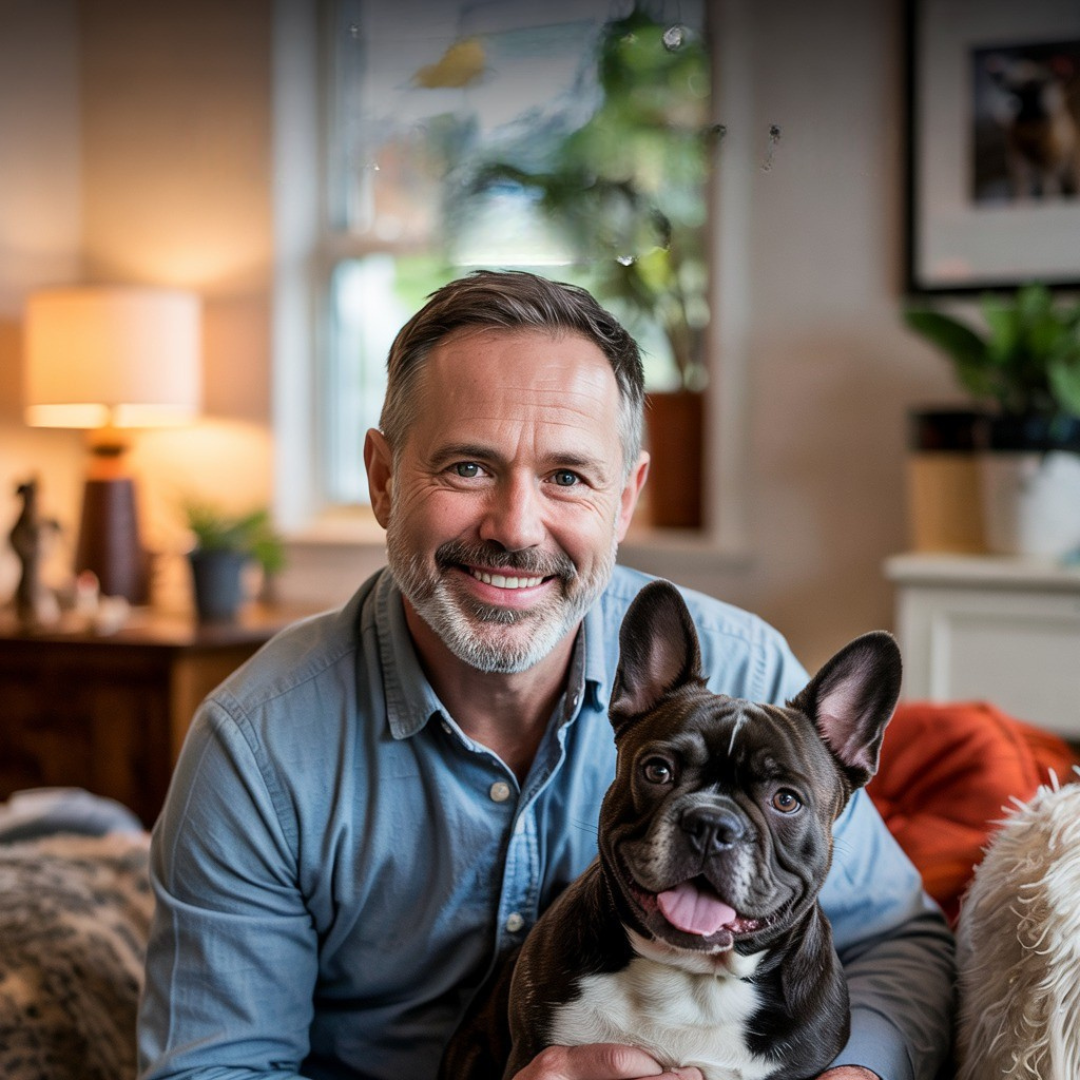
Dr. Alexandre Matheusu is a French Bulldog specialist with over 20 years of hands-on experience dedicated exclusively to the breed. Throughout his career, he has worked closely with responsible breeders, veterinarians, and kennel clubs, always respecting the traditional standards that shaped the French Bulldog into the companion dog it is today.
He holds a degree in Veterinary Medicine and a postgraduate certification in Canine Genetics and Breeding Management. Over the years, Dr. Moreau has focused on preserving breed health, correct morphology, and balanced temperament, following classical breeding principles passed down by experienced breeders.
Recognized for his deep knowledge and practical approach, he has advised kennels across Europe and the Americas, participated as a consultant in breeding programs, and contributed to educational materials aimed at protecting the future of the French Bulldog.
Humanize 274 words