
What is it like to live daily with a French Bulldog?
Typical Frenchie Temperament
Frenchies are affectionate and full of personality. You’ll find them in your lap, on your shoes, or planted in front of a door. Their mood is easy to read: a wagging tail or a soft whine tells you they want company. They love attention and often act like a small clown. Expect gentle play and plenty of smiles.
If you’re asking, “What is it like to live daily with a French Bulldog?” — it feels like living with a tiny roommate who steals the blanket. Your days will include short walks, naps on the couch, and bursts of goofy energy. They do best with a steady routine and regular snacks. You’ll laugh at snorts and sighs more than once a day.
Training takes patience because Frenchies can be stubborn and witty. Teach them with short, fun sessions and lots of treats. They respond to praise and games more than long drills. With clear rules, they become polite, silly companions who know when it’s time to play and when it’s time to chill.
How your Frenchie shows affection
Your Frenchie will get close and stay close. They like to lean against you, rest their head on your knee, or drape themselves across your feet. These are not random moves—they are your dog saying, You’re mine. When they follow you from room to room, it’s a compliment in dog form.
They also have quirky signs that melt your heart. A soft snort, a slow blink, or a toy dropped at your feet means love. Sometimes they’ll act slightly protective—sitting between you and a visitor or giving a loud bark. That mix of clown and guard dog is part of their charm.
Frenchie temperament and behavior explained
Frenchies are social by nature. They enjoy people and often do well with kids and calm dogs if introduced gently. Early socialization helps them stay confident and friendly. Left alone too long, some develop separation anxiety, so plan for company or mental games when you’re out.
Health affects behavior. Because of their short snouts, they struggle in heat and after heavy exercise. Keep an eye on breathing, avoid long runs, and provide short walks, puzzle games, and a cool spot to keep them calm and happy.
Common temperament traits
Frenchies are affectionate, playful, and often stubborn. They are alert but not overly barky, clownish, patient with kids, and highly adaptable to apartment life. You’ll see a mix of willful moments and sweet cuddles every day.
Your Daily Routine with a Frenchie
Living with a Frenchie gives your day a warm, funny rhythm. Mornings start with cuddles, a quick potty break, and a small bowl of food. Your Frenchie likes short walks and bursts of play, not long runs, so plan for sprinty fun and lots of naps. Keep water and a cool spot handy because they overheat fast.
During the day do short training bursts and offer toys that work the brain. Five to ten minutes of training a few times a day beats one long session. Groom lightly — quick brush, clean folds, and check ears — and watch for breathing or allergy signs. These small tasks protect their health and keep your bond strong.
Evening is for another walk, family time, and a slow wind-down. Frenchies crave attention and will follow you like a shadow, so build in quiet cuddle time and a predictable bedtime routine. A consistent schedule helps with potty habits and reduces stress, and a few puzzle toys will keep them happy when you’re busy.
French Bulldog daily routine at a glance
- Wake up: potty, breakfast, 15–20 minute walk or play session.
- Midday: nap, chew toy, short training.
- Afternoon: brief play, puzzle toy.
- Evening: short walk, dinner, cuddle time, light grooming.
- Always: fresh water available, check for signs of heat stress and breathing trouble.
What is it like to live daily with a French Bulldog?
What is it like to live daily with a French Bulldog? You get a funny, stubborn, loving roommate who sneezes, snores, and steals your socks. They’re built for close company and low-impact activity, so apartment life suits them. Expect lots of facial expressions and a tendency to demand attention at the oddest times.
You’ll learn small tricks: use positive reinforcement, break training into tiny wins, and watch weight closely because extra pounds strain their breathing. Plan vet checks for skin and breathing concerns, and keep their environment cool. The daily give-and-take is full of laughs and real connection.
French Bulldog Exercise Needs
French Bulldogs pack a lot of personality into a small body, and that affects how you plan exercise. You need short, regular activity that matches their compact frame and calm bursts of energy. Think of their routine like a coffee break, not a marathon—frequent, gentle movement keeps them healthy and happy without stressing their breathing.
Because Frenchies are brachycephalic, breathing and overheating are real concerns during activity. Watch for heavy panting, wobbliness, or a bluish tongue and stop right away if you see those signs. Your goal is to keep play fun and safe, not to push endurance or speed.
Daily rhythm matters more than long sessions. A couple of 15–20 minute walks plus play sessions spread through the day usually does the trick. Mix in puzzle toys and brief training moments to give them mental exercise as well as physical movement — that combo keeps them content and calm at home.
Short walks and playtime your dog needs
Short walks are your Frenchie’s bread and butter. Aim for two gentle walks a day, each around 15–20 minutes, depending on age and health. These walks let them sniff, stretch, and burn off small bursts of energy without overheating or overworking their lungs.
Playtime should be low-impact and fun: tug for a minute, chase a soft ball for a few minutes, or hide treats for a quick nose game. Rotate toys to keep things fresh, and use short training drills to engage their mind. That mix reduces boredom and helps prevent unwanted behaviors like chewing or sudden bursts of barking.
Avoiding heat and breathing strain
Heat is your Frenchie’s enemy during exercise. Plan walks in the cool early morning or late evening, and never leave them in a hot car or direct sun. A shaded route and slow pace keep their temperature and breathing steady.
Watch for subtle distress: wobbling, long pauses, or refusal to move. If that happens, move them to shade, offer water, and let them rest. Keep a small towel or cooling vest handy on hot days — simple tools often make a big difference.
Safe exercise tips
Use a harness instead of a collar to protect the neck and airways, carry water for short breaks, and skip long runs, steep hikes, or high-intensity games. Keep sessions brief, monitor breathing constantly, and choose soft surfaces like grass over hot pavement to protect paws and prevent overheating.
French Bulldog Apartment Living
You’ll find French Bulldogs make apartment life feel cozy and cheerful. They’re small, so you won’t need a lot of space for them to roam. Their playful bursts fit into short play sessions in a living room. You get calm cuddle time after that, and that quiet rhythm works well for city living.
Watch their breathing and heat sensitivity every day. Short, cool walks and calm play keep you both safe. Build a simple routine for potty breaks and vet checkups so health doesn’t catch you off guard.
Living with a Frenchie is full of personality. They will steal your heart with funny faces and snorts. Ask yourself, What is it like to live daily with a French Bulldog? — it’s like sharing your home with a small, stubborn comedian who loves you fiercely.
Why Frenchies fit apartment living
Frenchies are compact and often content indoors. Their size means you won’t trip over them in tight spaces. They don’t need long hikes every day. Short walks, stair play, and indoor toys usually keep them happy and mentally stimulated.
They tend to be quieter compared with many breeds, which helps with building rules and neighbors. Early training helps keep barking low and manners high. Give them gentle limits and consistent routines, and they’ll become calm apartment companions.
Living with a French Bulldog and neighbors
Introduce your Frenchie to neighbors early. A quick meet-and-greet with treats breaks the ice and builds friendly routines. If someone’s nervous, a calm introduction shows your dog is polite.
Barking is the main neighbor concern. Prevent problems with crate training, mental games, and scheduled walks. Keep windows closed on noisy days and use soft background music if your dog gets anxious. Small steps prevent complaints and keep hallways happy.
Apartment-friendly tips
Use short, regular walks for exercise and bathroom breaks, add puzzle toys for mental work, and pick a cool spot for naps to protect breathing. Train calm greetings, use potty pads or timed outdoor trips, keep grooming simple, and schedule vet visits for breathing checks. Swap loud play for gentle wrestling and monitor heat with a fan or AC.
Grooming and Health Concerns
Living with a Frenchie means calm mornings, lots of soft snores, and a few small care tasks that keep your buddy happy. Their short coat sheds a bit, but the real focus is on skin folds, ears, nails, and teeth. Pay attention to those areas every few days so small problems don’t turn big.
A quick brush, a wipe of the face folds, and a teeth rub can stop many issues. Keep a note of vet visits and shots. If you spot red skin, bad breath, or breathing trouble, call your vet sooner rather than later.
Also remember climate matters. Frenchies hate hot days and heavy exercise in heat can be dangerous because of their breathing style. Keep an eye on weight—even a few extra pounds make breathing and joints harder. A steady routine of light walks and portion control keeps life easy for both of you.
French Bulldog grooming and care basics
Grooming is straightforward. Brush once or twice a week. Wipe the folds with a soft cloth and a vet-approved solution to stop moisture and smell. Clean the ears and trim nails regularly. A short bath every month or two usually does the trick.
Dental care matters too. Brush the teeth a few times a week or use dental chews your vet likes. Small dogs get big mouth problems if you skip this. Set a simple schedule you can stick to—consistency makes care feel like second nature.
French Bulldog health concerns to watch
Frenchies can have breathing problems because of their short noses. Watch for noisy breathing, blue gums, or fainting in hot weather—these are signs of airway trouble and need prompt vet attention. Avoid heavy exercise in heat and learn the signs of distress.
They also get skin and joint issues. Allergies often show as itching or red patches. Spinal problems can show as stiffness or trouble climbing. Keep vet checkups regular so you catch things early—a careful eye saves money and pain later.
Grooming and health priorities
Prioritize keeping your dog cool, checking the folds daily, controlling weight, scheduling regular vet visits, and maintaining dental care; these steps prevent most common problems and let you enjoy your Frenchie without constant worry.
Training, Bonding, and Costs
You’ll find French Bulldogs are a mix of stubborn and sweet—like a tiny boss who begs for cuddles. For training, pick positive reinforcement, short sessions, and clear rules. Use treats, praise, and play as your tools. Keep sessions to five to ten minutes so your Frenchie stays curious, not bored.
If you ask, “What is it like to live daily with a French Bulldog?” expect laughter, snorts, and lots of lap time. They love being near you and will follow your routine like a shadow. Watch for heat sensitivity and the need for quiet rest after play. Their personality makes daily life cozy and often comical.
Costs are real and part of the picture. Beyond the purchase price or adoption fee, plan for regular vet care, possible surgery related to breathing, insurance, food, and training classes. Budgeting ahead keeps surprises to a minimum.
Training a French Bulldog with positive methods
Start with simple commands and lots of rewards. Use a clicker or a consistent word, then immediately give a treat or praise. Keep sessions short and fun. Repetition builds habit faster than long, rare lessons. Focus on one skill at a time and reward small steps.
Handle stubborn moments with calm, not force. If your Frenchie ignores you, change the reward or the game to re-engage them. Crate training, potty routines, and socialization are best taught gently and with regular practice. Consistency beats intensity every time.
Bonding with a French Bulldog and family
Make bonding part of daily life: feedings, brief walks, brushing, and quiet evenings on the couch build trust. Let kids help with safe tasks like holding treats or brushing under supervision so the dog bonds with everyone. Keep interactions calm and respectful—Frenchies love attention but can be overwhelmed by rough play.
Use training as quality time. Teach tricks, play hide-and-seek with treats, or run short obstacle courses in the living room. These activities strengthen your relationship and give your dog mental exercise. A well-bonded Frenchie is more eager to listen and more relaxed around guests.
Costs of owning a French Bulldog
Expect upfront costs (purchase or adoption, initial supplies), ongoing food and grooming, routine vet care, shots, spay/neuter, and higher odds of breathing or spine-related procedures; factor in insurance or an emergency fund, plus training classes and occasional boarding or pet-sitting.
Conclusion: Living daily with a French Bulldog
What is it like to live daily with a French Bulldog? It’s close companionship wrapped in a small, stubborn, clownish package. Days are punctuated by short walks, naps, playful bursts, and lots of cuddles. Pay attention to breathing, heat, weight, and routine care—those simple steps keep your Frenchie healthy and happy. In return you get laughter, loyalty, and a pet that truly loves being part of your everyday life.
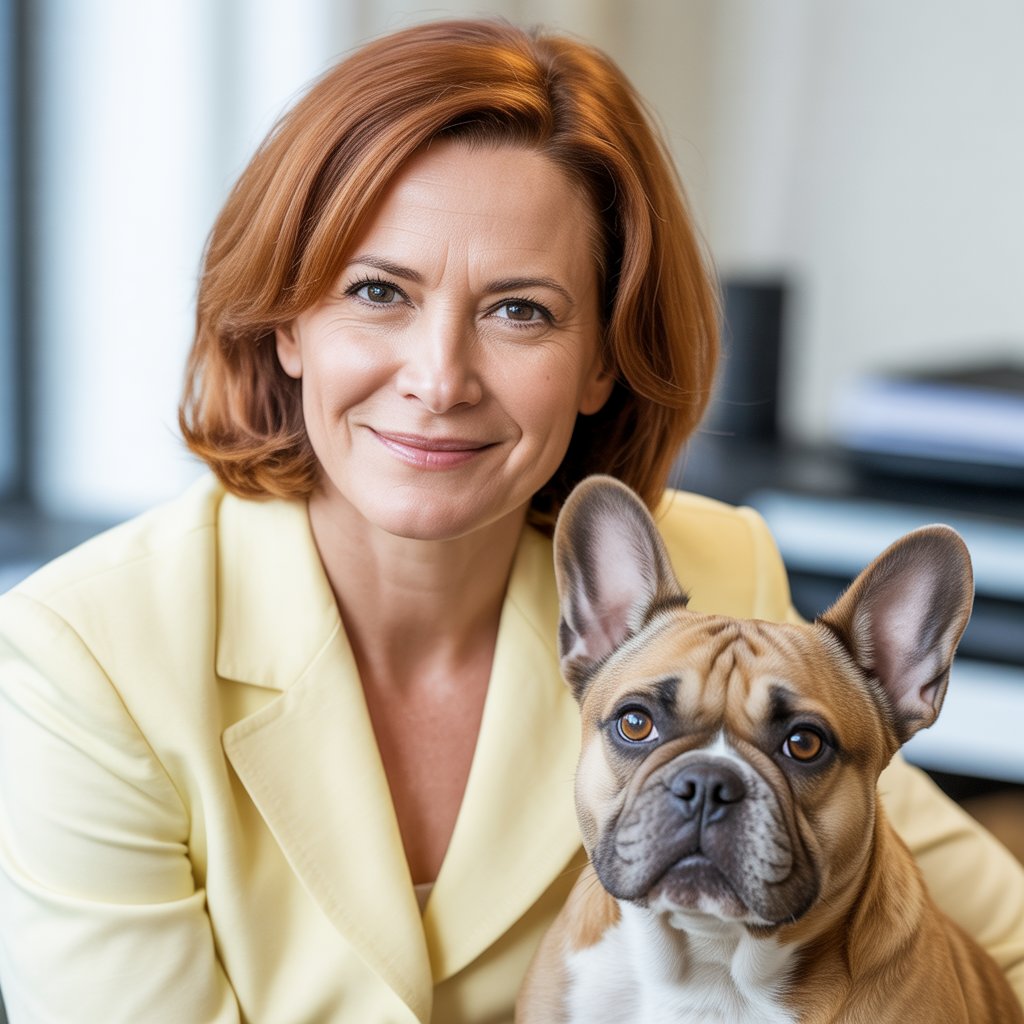
Dr. Isabella Laurent is a French Bulldog specialist with more than 17 years of dedicated experience working exclusively with the breed. Her career has been built on traditional canine knowledge, practical observation, and a deep respect for the historical standards that define the true French Bulldog.
She holds a degree in Veterinary Medicine and advanced training in Canine Reproduction and Breed Health Management. Over the years, Dr. Laurent has focused her work on responsible breeding, genetic balance, and long-term well-being, prioritizing structure, temperament, and overall vitality as they were valued by classic breeders.
As an author and consultant, she shares her expertise through educational content, breeding guidance, and professional collaborations with kennels and veterinarians. Her work is widely respected for combining scientific knowledge with time-tested breeding principles, helping preserve the integrity of the French Bulldog for future generations.