
Is the French Bulldog attached to its owner? Quick answer
“Is the French Bulldog attached to its owner?” Yes — most of the time. Frenchies were developed as companion dogs, so they love being near you. You’ll notice them following you, curling up on your lap, and greeting you like you’re a rock star.
Their attachment usually shows as constant companionship rather than distant loyalty: lots of cuddles, a need for your presence, and sometimes separation anxiety if left alone too long. Still, every dog is different — some Frenchies are more independent, happy with a quiet nap while you work. Your dog’s past, training, and daily routine shape how attached they become.
Why French Bulldog attachment to owner happens
French Bulldogs were bred to be close to people, especially in crowded homes and towns. That history left them with a strong people-first instinct. When you give them attention, they learn that sticking close gets treats, pats, and comfort.
Early life matters. A puppy raised with lots of handling and play will trust you and become securely bonded. If a pup had inconsistent care, they might cling more to feel safe. Simple habits — feeding, walks, and play — build attachment like bricks in a wall.
Typical bond levels in the breed
You’ll meet three common types: the velcro Frenchie who never leaves your side, the balanced Frenchie who loves time with you but can relax alone, and the independent one that stays mellow and self-contained. Most fall into the velcro or balanced groups.
Factors that tip the scale are genetics, early socialization, routine, and training. A dog that gets regular social play and gentle alone-time practice will usually be calmer when you leave.
Core facts about attachment
French Bulldogs are generally people-oriented, show strong affection, and can develop separation anxiety if left alone for long stretches; training, routine, and gradual alone-time practice help them feel secure and balanced.
Signs a French Bulldog is attached to you
You might ask, Is the French Bulldog attached to its owner? Yes — and you can spot it in small, honest moments. When your Frenchie seeks your presence, watches your every move, or brings a toy as an offering, those are signs of a real bond. These dogs read faces and moods fast; their attachment looks like quiet devotion as much as loud excitement.
Attachment shows in routine life: greeting rituals, nap spots near you, little check-ins between play sessions, and a preference to be where you are because you are their safe place. If following you everywhere or getting nervous when you leave, use short separations and rewards for relaxed behavior to teach calm independence.
Following, leaning, and sleeping near you
When your Frenchie follows you room to room, leans on your leg, or sleeps on your bed, they’re choosing comfort and trust. Sleeping next to you is one of the clearest signs of attachment. If departures become frantic, try short practice departures and a calm return so they learn you’ll come back.
Greeting you and seeking eye contact
A Frenchie who greets you with wiggles, soft grunts, and sustained eye contact is broadcasting love and trust. Use those moments for training: reward attentive looks and calm greetings so they learn polite ways to ask for attention.
Common signs a French Bulldog is attached
Following you, leaning, sleeping near you, bringing toys, watching your face, checking on you during odd hours, and happy greets are the common signs. Licking, nudging, and mild guarding behavior can show protectiveness; stress at departures hints at emotional dependence. Respond with affection, clear boundaries, and short practice absences to keep the relationship balanced.
Do French Bulldogs get attached to owners or stay independent?
Ask again: Is the French Bulldog attached to its owner? The short answer: yes — many Frenchies form a strong bond with their people. They often prefer being near their person but can show streaks of independence. Some will nap solo for hours; others are clingy. Their low energy and stubborn streak mean they can be content alone for a bit, but long stretches without interaction risk anxiety.
How much yours attaches comes down to daily habits. Routine, attention, and how you respond to clingy or alone behavior shape the relationship quickly. With consistent care, you’ll usually get a warm, loyal companion.
Breed traits that affect closeness
Frenchies are a companion breed with genetic wiring for closeness: they read faces, love laps, and use expressive eyes to beg for attention. Their stubbornness and low drive create a mix of clinginess and selective independence — they may ignore a recall but still prefer being near you.
How early care shapes attachment
Early socialization and gentle handling teach trust. Calm, frequent contact and positive experiences make a puppy feel safe and build steady attachment. Inconsistent responses or long lonely stretches can produce anxiety or excessive clinginess. Short absences, praise for calm behavior, and clear routines help.
Attachment versus independence facts
French Bulldogs are bred to be companions and usually prefer company, but they can manage short solo periods; long isolation risks separation anxiety. Expect a range of behaviors rather than one fixed pattern.
Separation anxiety in French Bulldogs and clingy behavior
You may wonder, “Is the French Bulldog attached to its owner?” Yes — and that sweet bond can flip into separation anxiety when a dog panics being alone. You’ll notice whining, barking, destructive behavior, or soiling when left alone.
Clinginess can stem from fear, boredom, or past routines that taught the dog you are their safe place. Reduce stress with steady practice: short absences, quiet enrichment toys, and a designated safe spot. If behavior is severe, seek professional help.
Symptoms of separation anxiety in French Bulldogs
Watch for repeated whining, howling, or barking when you leave; frantic behavior at departures; destructive acts like chewing doors or tearing cushions; soiling indoors after being house-trained; pacing, drooling, and refusal to eat. These happen specifically when the dog is alone.
When clinginess becomes a problem
Clinginess is a problem when it prevents a balanced life — blocking rooms, panicking when separated, or causing aggression or self-harm. It’s urgent when you can’t leave the house without chaos. Early action with training, enrichment, and boundaries is crucial.
When to seek help from a vet or trainer
Seek professional help if your dog shows constant panic, injures itself, becomes aggressive, soils repeatedly, or if training isn’t working. A vet can rule out medical causes and a certified trainer or behaviorist can create a tailored plan.
Building attachment with your French Bulldog
French Bulldogs often form deep attachment to their people. You’ll see it in following you, leaning into your leg, or choosing your lap. Ask, “Is the French Bulldog attached to its owner?” — most are, and attachment grows from everyday habits.
Short, regular interactions — a quick game, a gentle scratch, five minutes of training — add up. These moments build trust, comfort, and a predictable rhythm your dog counts on. Early socialization and calm guidance shape secure behavior. Use patience and clear boundaries so your pup learns confidence.
Daily routines that strengthen your bond
Routines give your Frenchie a sense of security. Simple rituals—morning cuddle, set feeding times, a short walk—tell your dog what to expect. Brushing, gentle handling of paws and ears, and quiet lap time reinforce calm behavior. These low-key moments often matter more than big events.
Positive training and social time tips
Reward the behavior you want with treats, praise, or a quick game. Timing matters: give the reward immediately so your Frenchie links the action to the reward. Keep lessons short and frequent. Introduce people and dogs slowly, watching body language to avoid overwhelming your pup.
Simple steps to build attachment
Be present, keep a steady routine, use reward-based training, offer gentle touch, and carve out daily play or cuddle time; those repeated actions create bonding fast and naturally.
French Bulldog loyalty and affection for your owner
Frenchies are small dogs with big hearts. Their loyalty often looks like constant company: following you, napping on your shoes, and developing little rituals — a morning wiggle, a welcome dance, a quiet cuddle after dinner. Ask yourself, “Is the French Bulldog attached to its owner?” — in many cases, yes.
They show affection in simple ways: sloppy kisses, demanding lap time, and hogging blankets. Loyalty is practical and warm — they alert you to odd sounds, sit close when you’re down, and celebrate when you’re happy.
How French Bulldog loyalty to owner looks
Loyalty often shows as companionship: sleeping at your feet, waiting at the door, or checking in throughout the day. They may bark at a leaf or stand between you and a stranger — not fierce guarding, but a comical, earnest way of saying, I’m on your team.
Are French Bulldogs affectionate with everyone?
Frenchies are generally friendly but can be selective. Early socialization helps them warm up to new faces. If you want a social butterfly, take them to parks, classes, and playdates so they learn to enjoy company beyond the family.
What to expect from your Frenchie
Expect a mix of clownish play and steady loyalty: short walks, lots of couch time, snoring, a bit of stubbornness, occasional jealousy, and plenty of warm cuddles. Most owners find the devotion well worth the handful of quirks.
Final note
Is the French Bulldog attached to its owner? Yes — more often than not. They’re bred to be companions and will usually choose to be near you. With consistent care, positive training, and gentle boundaries, that attachment becomes a healthy, joyful bond for both of you.
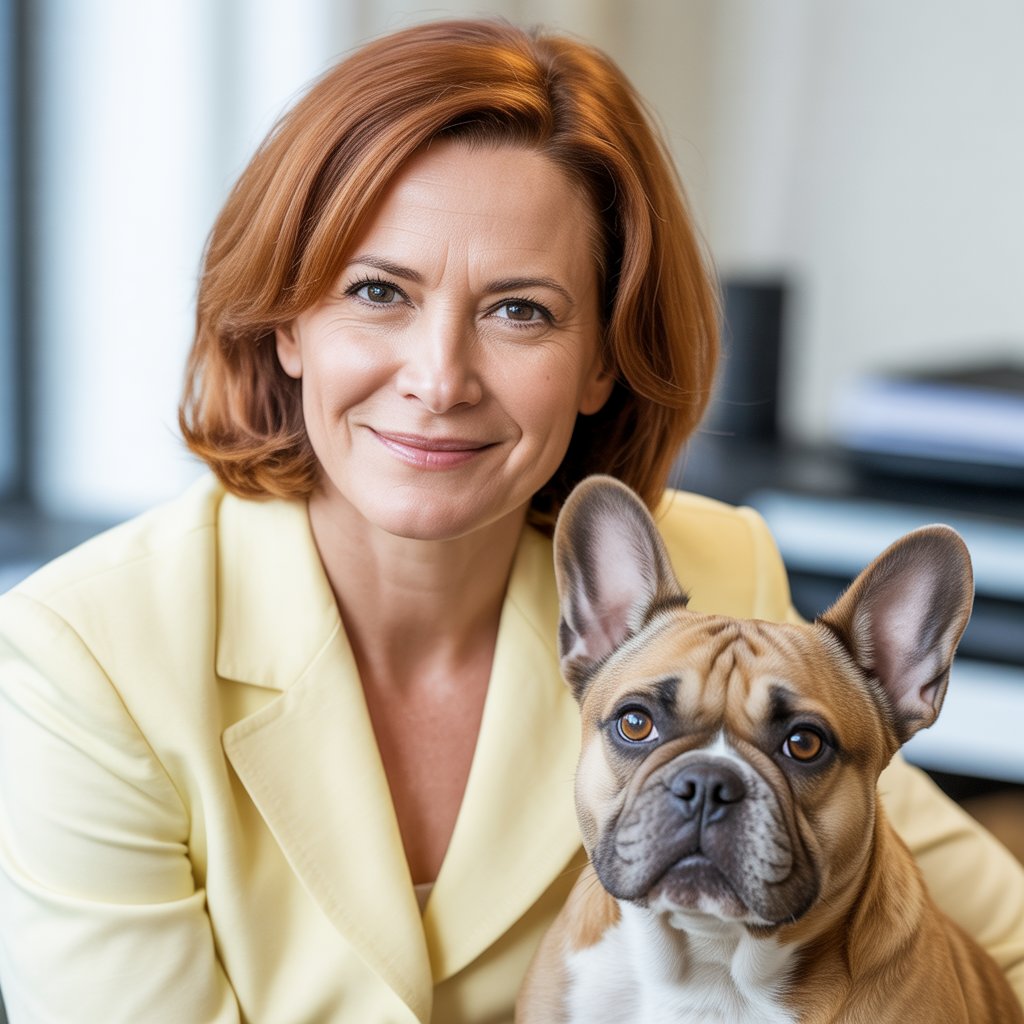
Dr. Isabella Laurent is a French Bulldog specialist with more than 17 years of dedicated experience working exclusively with the breed. Her career has been built on traditional canine knowledge, practical observation, and a deep respect for the historical standards that define the true French Bulldog.
She holds a degree in Veterinary Medicine and advanced training in Canine Reproduction and Breed Health Management. Over the years, Dr. Laurent has focused her work on responsible breeding, genetic balance, and long-term well-being, prioritizing structure, temperament, and overall vitality as they were valued by classic breeders.
As an author and consultant, she shares her expertise through educational content, breeding guidance, and professional collaborations with kennels and veterinarians. Her work is widely respected for combining scientific knowledge with time-tested breeding principles, helping preserve the integrity of the French Bulldog for future generations.